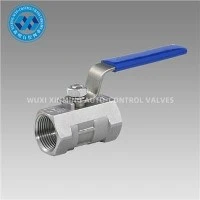
Hey there! As a supplier of sanitary ball valves, I've seen firsthand the many perks these valves bring to the table. Let's dive right into the advantages of using a sanitary ball valve.
1. Hygiene and Sanitation
One of the biggest selling points of sanitary ball valves is their ability to maintain high - level hygiene. In industries like food and beverage, pharmaceuticals, and cosmetics, cleanliness is non - negotiable. Sanitary ball valves are designed with smooth, crevice - free interiors. This means there are no nooks and crannies where bacteria, dirt, or other contaminants can hide.
The materials used in these valves, such as high - grade stainless steel, are resistant to corrosion and easy to clean. You can use various cleaning methods like CIP (Clean - in - Place) and SIP (Sterilize - in - Place) without worrying about damaging the valve. This is crucial for ensuring that the products passing through the valve remain pure and safe for consumption or use. For example, in a dairy processing plant, a sanitary ball valve can prevent the growth of harmful bacteria in milk lines, keeping the milk fresh and free from contamination.
2. Precise Flow Control
Sanitary ball valves offer excellent flow control capabilities. The ball inside the valve has a hole in the middle, and by rotating the ball, you can precisely regulate the flow of fluids. Whether you need to fully open the valve for maximum flow or partially close it to restrict the flow, it can be done with great accuracy.
This is super useful in applications where you need to maintain a specific flow rate. In a chemical mixing process, for instance, you might need to add different chemicals at precise rates. A sanitary ball valve allows you to do this with ease, ensuring that the chemical reaction occurs as intended. The smooth operation of the ball also means that there is minimal pressure drop across the valve, which helps in maintaining the efficiency of the entire system.
3. Durability
When you invest in a sanitary ball valve, you're getting a long - lasting piece of equipment. These valves are built to withstand harsh operating conditions. The stainless - steel construction makes them resistant to wear and tear, as well as to the corrosive effects of various fluids.
In a marine environment, where saltwater can quickly corrode ordinary valves, a sanitary ball valve can hold up well. It can also handle high pressures and temperatures, depending on the specific model. This durability means that you won't have to replace the valve frequently, saving you money on replacement costs and reducing downtime due to valve failures.
4. Versatility
Sanitary ball valves are incredibly versatile. They can be used with a wide range of fluids, including liquids, gases, and even some slurries. Whether it's water, oil, steam, or a viscous liquid like honey, a sanitary ball valve can handle it.
There are also different types of sanitary ball valves available to suit various applications. For example, there are two - way ball valves for simple on - off control, and Pneumatic Stainless Steel 3 Way Ball Valve for more complex flow - routing tasks. The 3 - way valve allows you to divert the flow of fluids in different directions, which is useful in systems where you need to switch between different supply sources or destinations.
5. Easy Installation and Maintenance
Installing a sanitary ball valve is a breeze. Most of these valves come with standard connection sizes, which makes them compatible with existing piping systems. You don't need to make major modifications to your setup to fit a sanitary ball valve.
Maintenance is also straightforward. Since the valve has a simple design with fewer moving parts compared to some other types of valves, there are fewer things that can go wrong. Regular inspections and basic cleaning are usually all that's required to keep the valve in good working condition. If a part does need to be replaced, it's often easy to access and replace, minimizing the time and effort needed for maintenance.
6. Leak - Tightness
Leakage is a big no - no in many industries. Sanitary ball valves are designed to provide a tight seal, preventing any fluid from leaking out. The ball and seat of the valve are machined to very precise tolerances, ensuring a perfect fit.


This is especially important in applications where the fluid is expensive, hazardous, or environmentally sensitive. In a pharmaceutical manufacturing plant, for example, a leak - free valve can prevent the loss of valuable drugs and protect the environment from potential contamination. The tight seal also helps in maintaining the pressure within the system, which is crucial for the proper operation of the equipment.
7. Cost - Effectiveness
In the long run, sanitary ball valves are cost - effective. Although the initial purchase price might be a bit higher compared to some other types of valves, the savings in terms of reduced maintenance, longer lifespan, and improved efficiency make up for it.
The durability of the valve means you won't have to replace it often, and the precise flow control can help in reducing waste. For example, in a water treatment plant, a sanitary ball valve can help in accurately dosing chemicals, reducing the amount of chemicals used and thus saving money. Also, the minimal pressure drop across the valve means that less energy is required to pump the fluids, resulting in lower energy costs.
8. Compatibility with Automation
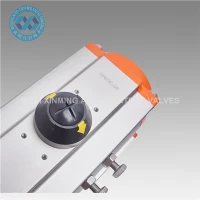
In today's modern industrial settings, automation is becoming more and more important. Sanitary ball valves can be easily integrated with automated control systems. You can use pneumatic or electric actuators to operate the valve remotely, which is great for applications where you need to control the valve from a distance or where manual operation is not practical.
For instance, in a large - scale food processing plant, you can use a Tee High Platform Stainless Steel T - L - type Pneumatic Ball Valve that can be controlled by a central control system. This allows for precise and coordinated operation of multiple valves, improving the overall efficiency of the plant.
9. Wide Range of Sizes and Configurations
We offer a wide variety of sizes and configurations of sanitary ball valves to meet different customer needs. Whether you need a small valve for a laboratory setup or a large valve for an industrial pipeline, we've got you covered.
There are also different end connections available, such as tri - clamp, butt - weld, and threaded connections. This means you can choose the valve that best fits your existing system. For example, if you have a system with tri - clamp connections, you can easily install a sanitary ball valve with tri - clamp ends without any hassle.
10. Chemical Resistance
Sanitary ball valves are resistant to a wide range of chemicals. The stainless - steel material used in their construction can withstand the corrosive effects of acids, alkalis, and other chemicals.
This is important in industries like chemical manufacturing and wastewater treatment. In a chemical manufacturing plant, where various corrosive chemicals are processed, a sanitary ball valve can ensure that the valves don't get damaged by the chemicals, maintaining the integrity of the entire chemical processing system.
If you're in the market for a reliable and high - performance valve, consider a sanitary ball valve. We have a great selection of valves, including the High Performance PVC Ball Valve, which offers excellent performance at a competitive price. Whether you're in the food and beverage industry, pharmaceuticals, or any other industry that requires high - quality flow control and sanitation, we can provide you with the right valve for your needs.
If you're interested in learning more about our sanitary ball valves or would like to discuss your specific requirements, feel free to reach out. We're here to help you find the best valve solution for your application. Let's start a conversation and see how we can work together to improve your operations.
References
- "Valve Handbook: Principles and Applications" by J. Paul Tullis
- Industry - specific technical manuals on valve applications in food, pharmaceutical, and chemical industries.