When it comes to PVC butterfly valves, one of the crucial decisions customers face is choosing between a resilient-seated and a metal-seated option. As a seasoned PVC Butterfly Valve supplier, I've witnessed firsthand the impact of this choice on various applications. In this blog, I'll delve into the key differences between these two types of valves, helping you make an informed decision for your specific needs.
Sealing Mechanism and Material
The most fundamental difference between resilient-seated and metal-seated PVC butterfly valves lies in their sealing mechanisms and the materials used.
Resilient-seated PVC butterfly valves feature a soft sealing element, typically made of rubber or elastomer materials such as EPDM (Ethylene Propylene Diene Monomer), NBR (Nitrile Butadiene Rubber), or Viton. This soft seat provides excellent sealing performance, even at low pressures. The elasticity of the resilient seat allows it to conform to the disc, creating a tight seal that effectively prevents leakage. These valves are ideal for applications where a bubble-tight seal is required, such as in water treatment plants, irrigation systems, and HVAC (Heating, Ventilation, and Air Conditioning) systems.
On the other hand, metal-seated PVC butterfly valves use a metal-to-metal sealing surface. The seat and disc are made of metallic materials, such as stainless steel or ductile iron. Metal seats offer superior durability and resistance to high temperatures, pressures, and abrasive media. They are commonly used in industrial applications where the fluid contains solids, slurries, or corrosive substances. For example, in chemical processing plants, power generation facilities, and oil and gas refineries, metal-seated valves can withstand the harsh operating conditions and maintain their performance over an extended period.
Performance in Different Conditions
The performance of resilient-seated and metal-seated PVC butterfly valves varies significantly depending on the operating conditions.
Pressure and Temperature Resistance
Resilient-seated valves are generally suitable for low to medium pressure and temperature applications. The soft seat material can lose its elasticity and sealing properties at high temperatures or pressures, leading to leakage. Most resilient-seated PVC butterfly valves are rated for pressures up to 150 psi (pounds per square inch) and temperatures ranging from -20°F to 180°F (-29°C to 82°C), depending on the specific elastomer used.
In contrast, metal-seated valves can handle much higher pressures and temperatures. They are designed to operate in demanding environments where pressures can exceed 600 psi and temperatures can reach up to 400°F (204°C) or higher. The metal-to-metal sealing surface provides a more robust and reliable seal, even under extreme conditions.
Wear and Abrasion Resistance
When it comes to wear and abrasion resistance, metal-seated valves have a clear advantage. The hard metallic surface of the seat and disc can withstand the erosive effects of abrasive media, such as sand, gravel, or slurries. This makes them suitable for applications in mining, pulp and paper, and wastewater treatment, where the fluid contains solid particles that can cause significant damage to resilient seats.
Resilient-seated valves, while offering good sealing performance, are more susceptible to wear and abrasion. The soft seat material can be easily damaged by sharp particles or rough surfaces, leading to premature failure. However, in applications where the fluid is clean and free of abrasive substances, resilient-seated valves can provide long-term reliable service.
Chemical Compatibility
Chemical compatibility is another important factor to consider when choosing between resilient-seated and metal-seated PVC butterfly valves. Resilient seats are available in a variety of elastomer materials, each with its own chemical resistance properties. For example, EPDM is resistant to water, steam, and many chemicals, making it suitable for general-purpose applications. NBR is more resistant to oils and fuels, while Viton offers excellent resistance to high-temperature and aggressive chemicals.
Metal-seated valves, on the other hand, are generally more resistant to a wider range of chemicals. Stainless steel seats, in particular, are highly corrosion-resistant and can be used in applications involving acids, alkalis, and other corrosive substances. However, the choice of metal material should be carefully evaluated based on the specific chemical composition of the fluid to ensure compatibility.
Applications
The differences in sealing mechanism, performance, and material properties make resilient-seated and metal-seated PVC butterfly valves suitable for different applications.
Resilient-Seated PVC Butterfly Valves
- Water and Wastewater Treatment: Resilient-seated valves are widely used in water treatment plants for controlling the flow of water, chemicals, and sludge. Their bubble-tight seal and corrosion resistance make them ideal for applications such as filtration, disinfection, and sludge handling.
- Irrigation Systems: In agricultural irrigation, resilient-seated valves are used to regulate the flow of water to fields and crops. They are easy to operate and maintain, and their low cost makes them a popular choice for large-scale irrigation projects.
- HVAC Systems: HVAC systems require valves that can provide precise flow control and a tight seal to ensure efficient operation. Resilient-seated PVC butterfly valves are commonly used in air handling units, chillers, and boilers to control the flow of water and refrigerant.
Metal-Seated PVC Butterfly Valves
- Chemical Processing: Metal-seated valves are essential in chemical processing plants, where they are used to control the flow of corrosive chemicals, acids, and alkalis. Their high temperature and pressure resistance, as well as their chemical compatibility, make them suitable for a wide range of chemical applications.
- Power Generation: In power plants, metal-seated valves are used in steam systems, cooling water circuits, and fuel handling systems. They can withstand the high temperatures and pressures associated with power generation and provide reliable performance under demanding conditions.
- Oil and Gas Industry: The oil and gas industry requires valves that can operate in harsh environments, such as offshore platforms, refineries, and pipelines. Metal-seated PVC butterfly valves are used to control the flow of oil, gas, and other hydrocarbons, and their durability and reliability make them a critical component in these applications.
Cost Considerations
Cost is always an important factor in any purchasing decision. Resilient-seated PVC butterfly valves are generally less expensive than metal-seated valves. The lower cost is mainly due to the use of less expensive elastomer materials and simpler manufacturing processes. This makes them a cost-effective choice for applications where the operating conditions are relatively mild and the requirements for durability and performance are not as stringent.
Metal-seated valves, on the other hand, are more expensive due to the use of high-quality metallic materials and more complex manufacturing processes. However, the higher upfront cost can be justified in applications where the valve needs to withstand extreme conditions and provide long-term reliable service. In these cases, the cost of valve replacement and maintenance over the life of the system can be significantly reduced.
Conclusion
In summary, the choice between a resilient-seated and a metal-seated PVC butterfly valve depends on several factors, including the operating conditions, the type of fluid being handled, the required sealing performance, and the budget. Resilient-seated valves offer excellent sealing performance at low to medium pressures and temperatures, and they are suitable for applications where a bubble-tight seal is required and the fluid is clean and non-abrasive. Metal-seated valves, on the other hand, provide superior durability, resistance to high temperatures and pressures, and abrasion resistance, making them ideal for demanding industrial applications.
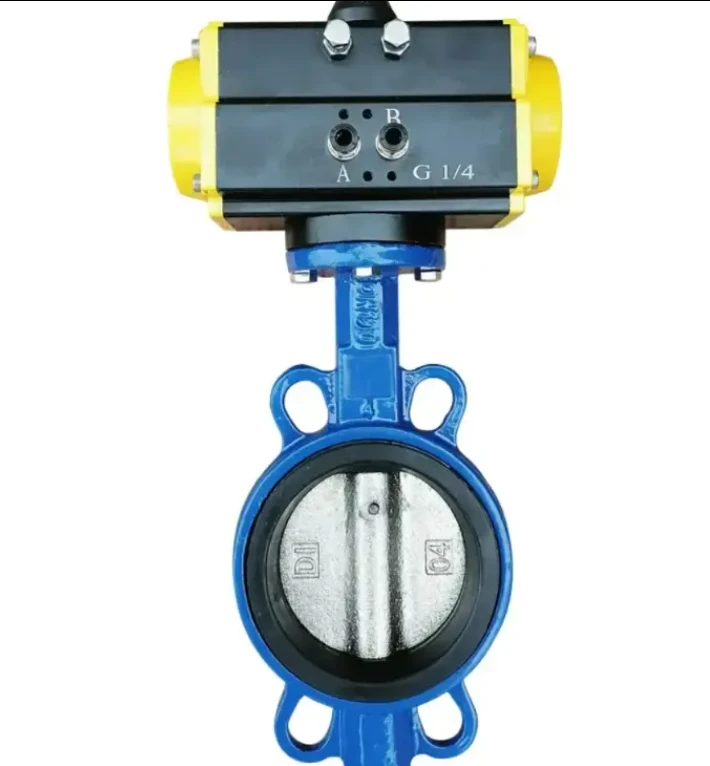
As a PVC Butterfly Valve supplier, I can help you select the right valve for your specific needs. Whether you're looking for a New Arrival Pvc Flange Butterfly Valve With Pneumatic Actuator, a Ductile Iron Butterfly Valve, or a New Arrival Pneumatic Stainless Steel Wafer Butterfly Valve, I have a wide range of products to choose from. If you have any questions or need further information, please feel free to contact me for a detailed discussion and to explore the best options for your project.

References
- Valve Handbook, Third Edition, by Robert W. Plumb
- Pipeline Rules of Thumb Handbook: A Manual of Quick, Accurate Solutions to Everyday Pipeline Engineering Problems, by John P. Moore
- Chemical Engineering Handbook, Eighth Edition, by Perry and Green