

Hey there! As a supplier of 220V solenoid valves, I've seen my fair share of issues with these little guys. In this blog, I'm gonna share some of the common faults you might run into with a 220V solenoid valve.
1. Coil Burnout
One of the most common problems is coil burnout. The coil in a solenoid valve is like its heart. When it gets fried, the valve just won't work. There are a few reasons why this might happen.
First off, overvoltage. If the voltage supplied to the valve is higher than the rated 220V, it can cause the coil to overheat and eventually burn out. Sometimes, there are fluctuations in the power supply, and if you're not using a voltage stabilizer, your valve is at risk.
Another reason could be continuous operation. If the solenoid valve is left on for long periods without a break, the coil can heat up too much. Think of it like running a marathon without stopping to catch your breath. The coil needs some rest to cool down.
To avoid coil burnout, make sure you're using a proper voltage regulator and give the valve some downtime if it's in continuous use.
2. Valve Not Opening or Closing Properly
This is a real headache for a lot of users. There are several factors that can cause a solenoid valve not to open or close as it should.
Debris in the valve is a major culprit. Over time, dirt, dust, and other particles can get into the valve and block the movement of the plunger. This can prevent the valve from opening or closing fully. You can try cleaning the valve regularly to prevent this.
The seal might also be a problem. If the seal is damaged or worn out, it can cause leaks and prevent the valve from closing tightly. You'll need to replace the seal if this is the case.
Sometimes, the problem is with the solenoid itself. If the magnetic field isn't strong enough, the plunger won't move properly. This could be due to a faulty coil or a problem with the electrical connection.
3. Leakage
Leakage is another common issue. It can be a real pain, especially if you're using the valve in a system where leaks can cause damage or safety hazards.
As I mentioned before, a damaged seal is one of the main causes of leakage. But there can also be problems with the valve body. If there are cracks or holes in the valve body, fluid or gas can leak out.
Another cause of leakage is improper installation. If the valve isn't installed correctly, it might not be seated properly, which can lead to leaks. Make sure you follow the installation instructions carefully.
4. Noise and Vibration
Some users complain about excessive noise and vibration when the solenoid valve is in operation. This can be annoying and might even indicate a problem with the valve.
The noise could be due to the movement of the plunger. If the plunger is hitting the valve body too hard, it can create a lot of noise. This could be because the valve is not properly lubricated or because the spring tension is too high.
Vibration can also be a sign of a problem. It could be due to an unbalanced valve or a loose mounting. Check the mounting and make sure the valve is properly secured.
5. Electrical Problems
Electrical issues can also cause problems with the solenoid valve. A loose connection can prevent the valve from getting the power it needs to operate. You should regularly check the electrical connections to make sure they're tight.
A blown fuse can also be a problem. If the fuse blows, the valve won't work. Make sure you're using the correct fuse rating for the valve.

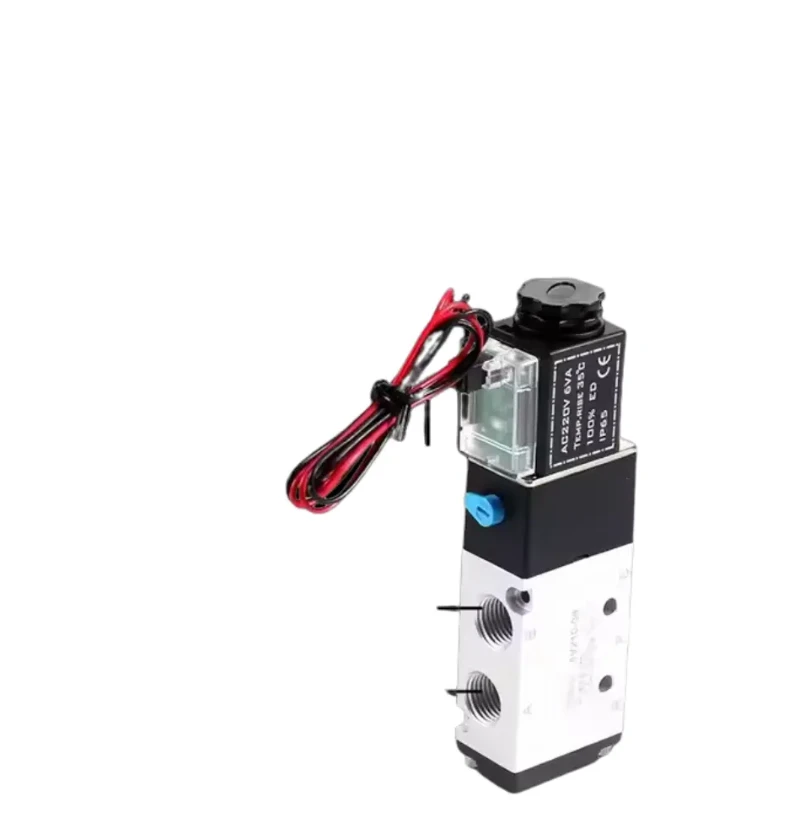
Sometimes, there can be problems with the wiring. If the wiring is damaged or frayed, it can cause electrical shorts or other issues.
Our Solutions
At our company, we understand these common faults, and we've designed our Long Life Pneumatic Air Control Solenoid Valve to minimize these problems. It's built with high - quality materials that are resistant to debris and wear. The coil is designed to handle continuous operation better, reducing the risk of burnout.
Our Mechanical Equipment Special, High Precision Pneumatic Air Control Solenoid Valve is perfect for applications where precision is key. It has a high - quality seal that reduces the risk of leakage and ensures proper operation.
The High Stability Pneumatic Air Control Solenoid Valve is designed to be more stable, reducing noise and vibration. It's a great choice for applications where a quiet and stable operation is required.
Contact Us for Purchase
If you're experiencing any of these common faults with your 220V solenoid valve or if you're looking for a reliable and high - quality solenoid valve, don't hesitate to contact us. We're here to help you find the right solution for your needs. Whether you need a replacement valve or just some advice on how to fix a problem, we've got you covered.
References
- Solenoid Valve Handbook, Various Industry Publications
- Manufacturer's Manuals for 220V Solenoid Valves




