When it comes to using a PVC ball valve in a pneumatic system, there are several key considerations that you need to keep in mind. As a PVC ball valve supplier, I've seen firsthand how these factors can impact the performance and longevity of the valve in a pneumatic setup. Let's dive into what you should think about before making a decision.
Compatibility with Pneumatic Systems
First off, you've got to ensure that the PVC ball valve is compatible with your pneumatic system. Pneumatic systems rely on compressed air to operate, and the valve needs to be able to handle the pressure and flow rates associated with it. PVC valves are generally suitable for low to medium-pressure pneumatic applications. However, you need to check the pressure rating of the valve. If your system operates at high pressures, a PVC valve might not be the best choice as it could crack or fail under stress.
For instance, if you're using a valve in a small-scale pneumatic control system for a manufacturing process, a standard PVC ball valve might work just fine. But for a large industrial pneumatic system with high-pressure requirements, you might want to consider other options like the Pneumatic Actuator WCB Flange Ball Valve, which is designed to handle more demanding conditions.
Chemical Resistance
In a pneumatic system, the air being used might contain various chemicals or contaminants. PVC is known for its good chemical resistance, but it's not immune to all substances. You need to consider what kind of chemicals might be present in the compressed air. If there are aggressive chemicals like strong acids or alkalis, the PVC valve could degrade over time.
Before choosing a PVC ball valve, analyze the chemical composition of the air in your system. If the chemicals are mild, a regular PVC valve should be okay. But if there are more corrosive substances, you might need to look for a valve with enhanced chemical resistance or consider alternative materials. For example, if your pneumatic system is used in a chemical processing plant where there are traces of corrosive gases, a Metal-to-metal Ball Valve might be a better option as it can withstand harsher chemical environments.
Temperature Range
Temperature is another crucial factor. PVC has a limited temperature range within which it can function properly. In a pneumatic system, the temperature of the compressed air can vary depending on the application. If the air gets too hot, the PVC valve can soften and lose its structural integrity. On the other hand, if it gets too cold, the PVC can become brittle and crack.
You need to know the maximum and minimum temperatures that the valve will be exposed to in your pneumatic system. For normal room-temperature applications, a standard PVC ball valve should be sufficient. But if your system operates in extreme temperatures, such as in a refrigeration or high-temperature industrial process, you'll need to choose a valve that can handle those conditions. Some PVC valves are specially formulated to withstand a wider temperature range, so make sure to look for those if needed.
Flow Rate and Size
The flow rate of your pneumatic system is directly related to the size of the valve. You need to select a PVC ball valve that can handle the required flow rate of air through the system. If the valve is too small, it will restrict the flow, causing pressure drops and reducing the efficiency of the system. If it's too large, it can be wasteful and might not provide precise control.
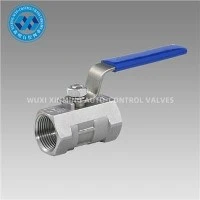
To determine the right size of the valve, calculate the flow rate of your pneumatic system based on the requirements of your application. You can then refer to the valve manufacturer's specifications to find a valve with the appropriate flow capacity. For small pneumatic tools or devices with low flow requirements, a 1PC Thread Ball Valve might be a good fit. But for larger systems with high flow rates, you'll need a bigger valve.

Actuation Method
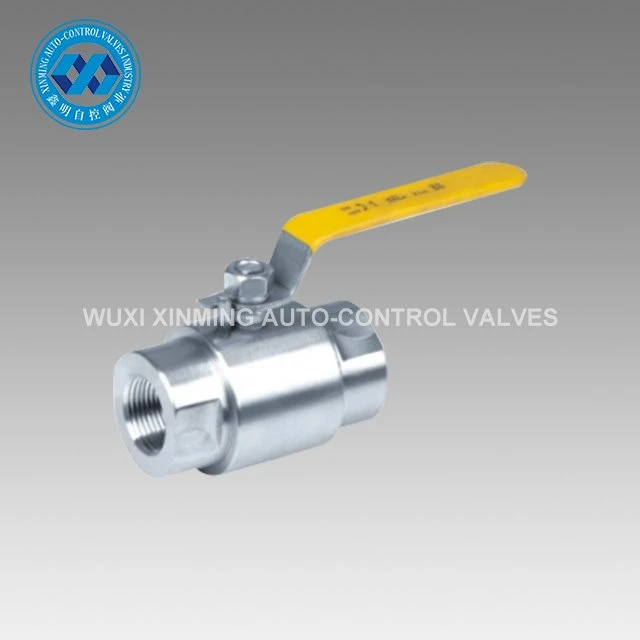
In a pneumatic system, the valve needs to be actuated, or opened and closed, to control the flow of air. There are different ways to actuate a PVC ball valve. Manual actuation is the simplest and cheapest option. You just turn a handle to open or close the valve. This is suitable for systems where the valve doesn't need to be operated frequently or where you have easy access to the valve.
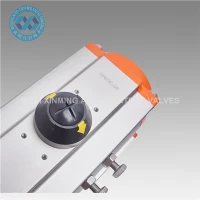
However, for more automated pneumatic systems, you might want to consider using a pneumatic actuator. A pneumatic actuator uses compressed air to open and close the valve, allowing for remote or automated control. This is useful in applications where you need to control the valve quickly and precisely, such as in a complex manufacturing process. When choosing an actuator, make sure it's compatible with the PVC ball valve and the pneumatic system.
Sealing Performance
A good seal is essential for a PVC ball valve in a pneumatic system. If the valve doesn't seal properly, air can leak out, reducing the efficiency of the system and potentially causing safety hazards. You need to look for a valve with high-quality seals. The type of seal used in the valve can affect its sealing performance.
Most PVC ball valves use elastomeric seals, which are flexible and can provide a good seal. However, these seals can wear out over time, especially if they're exposed to high pressures or harsh chemicals. Make sure to choose a valve with durable seals and consider replacing them periodically to maintain the sealing performance.
Maintenance Requirements
Like any component in a pneumatic system, a PVC ball valve requires regular maintenance. You need to clean the valve periodically to remove any dirt or debris that might accumulate inside. Check the seals and other moving parts for wear and tear. If you notice any signs of damage, replace the affected parts immediately.
Some valves are easier to maintain than others. For example, a valve with a simple design and easy-to-access components will be quicker and cheaper to maintain. Consider the maintenance requirements of the valve when making your decision, as this can have a significant impact on the long-term cost of operating your pneumatic system.
Cost
Of course, cost is always a factor. PVC ball valves are generally more affordable than valves made from other materials like metal. However, you need to consider the overall cost, including the initial purchase price, installation costs, and long-term maintenance costs.
While a cheaper valve might seem like a good deal at first, it could end up costing you more in the long run if it fails frequently or requires a lot of maintenance. On the other hand, a more expensive valve might offer better performance and durability, saving you money over time. Compare the prices and features of different valves to find the best balance between cost and performance.
Conclusion
Using a PVC ball valve in a pneumatic system can be a great choice, but it's important to consider all the factors I've mentioned above. Compatibility, chemical resistance, temperature range, flow rate, actuation method, sealing performance, maintenance requirements, and cost all play a role in determining the suitability of the valve for your system.
As a PVC ball valve supplier, I'm here to help you make the right decision. If you have any questions or need more information about our products, feel free to reach out. We can provide you with detailed specifications and advice based on your specific pneumatic system requirements. Whether you're looking for a simple manual valve or a more complex automated solution, we've got you covered. Let's work together to find the perfect PVC ball valve for your pneumatic system.
References
- Pneumatic System Design Handbook
- PVC Material Properties and Applications Guide
- Valve Selection and Installation Best Practices