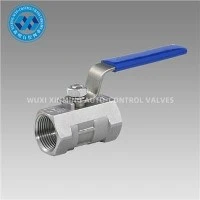
A vacuum ball valve plays a pivotal role in any vacuum system. As a supplier of top - notch Vacuum Ball Valves, I've got a ton of hands - on experience and technical know - how about what it takes for these valves to be compatible and work seamlessly within a vacuum setup. So, let's dive right in and take a look at the compatibility requirements.
Material Compatibility
First off, the materials used in the manufacture of the vacuum ball valve need to be in harmony with the environment of the vacuum system. The system might be dealing with corrosive gases, high - energy particle beams, or extremely low - temperature conditions. For instance, if your system is handling corrosive gases like chlorine or sulfur dioxide, you'll need a valve made of materials that can withstand corrosion. Stainless steel is a popular choice here. It's strong, durable, and can resist corrosion from many common industrial gases.
Some systems working in high - temperature environments might require valves made of materials with high - heat resistance, such as ceramics. However, ceramics can be brittle, so you've got to balance the heat - resistance requirement with the mechanical strength needed for the valve's operation.
Another aspect of material compatibility is outgassing. In a vacuum system, any gas released from the valve materials can disrupt the vacuum. That's why low - outgassing materials are a must. Metals like aluminum and certain stainless - steel alloys are known for their low outgassing properties. When we produce our Vacuum Ball Valves, we carefully select materials that not only meet the mechanical requirements of the valve but also have low outgassing characteristics to ensure they're compatible with vacuum systems.
Size and Connection Compatibility
The size of the vacuum ball valve is crucial. It has to match the pipe diameter in the vacuum system. An improperly sized valve can cause flow restrictions, leading to reduced efficiency and potential damage to other components in the system. If the valve is too small, it'll restrict the flow of gas or fluid, creating a pressure drop. On the other hand, if it's too large, it can be overkill and may not provide accurate flow control.
Connection compatibility is also vital. There are different types of connections used in vacuum systems, such as flanged, threaded, and welded connections. Your valve should have the appropriate connection type to fit snugly with the existing pipes and equipment in the system. For example, in some high - vacuum systems, flanged connections are preferred because they provide a more reliable and leak - tight seal compared to threaded connections. Our product line offers Vacuum Ball Valves with a variety of connection types to meet your specific needs and ensure seamless integration into your vacuum system.
Pressure and Vacuum Compatibility
Vacuum systems can operate under a wide range of pressures, from high vacuum (near - zero pressure) to partial vacuum. Your ball valve needs to be able to withstand the pressure differentials within the system. It has to maintain a tight seal when there's a significant difference between the pressure inside the valve and the pressure in the surrounding vacuum.
For instance, in systems that require high - vacuum conditions, the valve must be able to prevent any air leakage from the outside environment into the system. This means the valve's sealing mechanism has to be extremely efficient. Our Vacuum Ball Valves are designed with high - quality seals that can handle a wide range of pressure differentials, ensuring they're compatible with various vacuum - level requirements.
Flow Compatibility
The flow characteristics of the valve need to be in sync with the requirements of the vacuum system. Some systems need a high flow rate to move large volumes of gas or fluid quickly, while others may require a more precise, low - flow control.
A ball valve's flow coefficient (Cv) indicates how easily fluid can pass through it. If your system needs a high flow rate, you'll want a valve with a high Cv value. Conversely, if you need fine - tuned control over a small flow, a valve with a lower Cv value would be more appropriate. We offer Vacuum Ball Valves with different Cv values to accommodate the diverse flow needs of our customers.
Actuation Compatibility
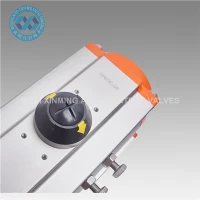
Vacuum ball valves can be actuated manually, pneumatically, electrically, or hydraulically. The choice of actuation method depends on the specific requirements of the vacuum system. In some automated systems, pneumatic or electric actuators are preferred because they allow for remote control and precise operation.


For example, if you have a system that requires rapid valve opening and closing, a pneumatic actuator can provide a fast response time. However, in areas where there's a risk of explosion, an Explosion - Proof Pneumatic Ball Valve might be the safest option. Our product range includes a variety of actuated valves, like the Pneumatic Actuated Three - Way Stainless Steel Ball Valve and Tee High Platform Stainless Steel T - L - type Pneumatic Ball Valve, to provide you with the right actuation solution for your vacuum system.
Temperature Compatibility
Temperature can have a significant impact on the performance of a vacuum ball valve. Some systems operate at extremely low temperatures, such as cryogenic systems used in scientific research. In these cases, the valve materials need to be able to withstand the cold without becoming brittle or losing their sealing properties.
On the other hand, high - temperature applications, like those found in some industrial processes, require valves that can resist thermal expansion and maintain their functionality. We carefully engineer our Vacuum Ball Valves to handle the full spectrum of temperatures that your vacuum system might encounter, ensuring long - term and reliable performance.
Chemical Compatibility
If the vacuum system is used to process chemicals, the ball valve must be chemically compatible with the substances involved. Different chemicals can react with valve materials, leading to corrosion, degradation, or changes in the valve's performance.
For example, if the system is handling strong acids, the valve should be made of materials that are acid - resistant, like certain plastics or high - alloy stainless steels. Understanding the chemical properties of the substances in your vacuum system and selecting a compatible valve is essential to avoid costly damage and system failures.
Special Requirements Compatibility
Some vacuum systems have unique requirements, such as cleanroom compatibility or radiation resistance. In cleanroom environments, valves need to be designed to minimize particle generation and contamination. This might involve using smooth - surfaced materials and special sealing techniques.
For systems exposed to radiation, like those in nuclear research or space applications, the valve materials need to be radiation - resistant. Our team of experts can work with you to understand your special requirements and provide customized Vacuum Ball Valves that meet all your needs.
In conclusion, ensuring the compatibility of a vacuum ball valve in a vacuum system involves considering multiple factors, including materials, size, pressure, flow, actuation, temperature, and chemical properties. As a reliable Vacuum Ball Valve supplier, we're committed to providing high - quality products that meet these compatibility requirements and offer outstanding performance. If you're in the market for a vacuum ball valve for your system, don't hesitate to reach out to us for a consultation and procurement discussion. We'll work with you to find the perfect valve solution for your specific needs.
References
- Incropera, F. P., & DeWitt, D. P. (2002). Fundamentals of Heat and Mass Transfer. Wiley.
- Perry, R. H., & Green, D. W. (1997). Perry's Chemical Engineers' Handbook. McGraw - Hill.
- ASME Boiler and Pressure Vessel Code. The American Society of Mechanical Engineers.