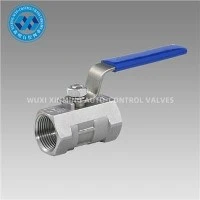
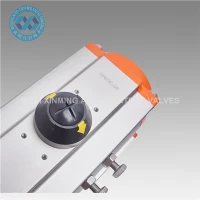
Soft-seal ball valves are essential components in various industrial applications, offering reliable shut-off and flow control. As a leading soft-seal ball valve supplier, we understand the importance of providing customization options to meet the diverse needs of our customers. In this blog post, we will explore the different customization options available for soft-seal ball valves, highlighting how they can enhance performance, efficiency, and compatibility with specific applications.
Material Selection
One of the primary customization options for soft-seal ball valves is the choice of materials. The selection of materials depends on several factors, including the type of fluid or gas being handled, the operating temperature and pressure, and the corrosiveness of the environment.
- Body Material: The body of the ball valve is typically made from materials such as stainless steel, carbon steel, brass, or PVC. Stainless steel is a popular choice due to its excellent corrosion resistance, high strength, and durability. Carbon steel is suitable for applications where high pressure and temperature are involved, while brass is commonly used in low-pressure and low-temperature applications. PVC is a cost-effective option for handling non-corrosive fluids.
- Ball Material: The ball inside the valve is usually made from stainless steel, brass, or ceramic. Stainless steel balls offer good corrosion resistance and are suitable for most applications. Brass balls are used in low-pressure and low-temperature applications, while ceramic balls are ideal for handling abrasive or corrosive fluids.
- Seat Material: The seat of the ball valve is responsible for providing a tight seal between the ball and the valve body. Common seat materials include PTFE (polytetrafluoroethylene), NBR (nitrile butadiene rubber), and EPDM (ethylene propylene diene monomer). PTFE seats offer excellent chemical resistance and low friction, making them suitable for a wide range of applications. NBR seats are resistant to oil and fuel, while EPDM seats are suitable for handling water and steam.
End Connection Types
Another important customization option for soft-seal ball valves is the end connection type. The end connections determine how the valve is installed and connected to the pipeline.
- Threaded Connections: Threaded connections are commonly used in small-diameter ball valves and are suitable for low-pressure applications. They are easy to install and remove, making them a popular choice for plumbing and HVAC systems.
- Flanged Connections: Flanged connections are used in larger-diameter ball valves and are suitable for high-pressure applications. They provide a secure and leak-proof connection between the valve and the pipeline and are commonly used in industrial and commercial applications.
- Welded Connections: Welded connections are used in applications where a permanent and leak-proof connection is required. They are commonly used in high-pressure and high-temperature applications, such as oil and gas pipelines.
Valve Size and Configuration
The size and configuration of the soft-seal ball valve can also be customized to meet specific application requirements.
- Valve Size: The size of the ball valve is determined by the nominal diameter of the pipeline. We offer a wide range of valve sizes, from 1/4 inch to 12 inches, to accommodate different flow rates and pressure requirements.
- Valve Configuration: Soft-seal ball valves are available in different configurations, including two-way, three-way, and four-way valves. Two-way valves are used for simple on/off control, while three-way and four-way valves are used for more complex flow control applications, such as diverting or mixing fluids.
Actuation Options
Soft-seal ball valves can be actuated manually or automatically, depending on the application requirements.
- Manual Actuation: Manual actuation is the simplest and most cost-effective way to operate a ball valve. It involves using a handle or lever to open and close the valve. Manual valves are suitable for applications where the valve is not operated frequently or where automatic control is not required.
- Electric Actuation: Electric actuation is a popular choice for applications where remote control or automation is required. Electric actuators can be controlled using a variety of methods, including switches, sensors, and programmable logic controllers (PLCs). They offer precise control and can be integrated into existing control systems.
- Pneumatic Actuation: Pneumatic actuation is another common option for soft-seal ball valves. Pneumatic actuators use compressed air to open and close the valve and are suitable for applications where fast and reliable operation is required. They are commonly used in industrial and commercial applications, such as chemical processing, food and beverage, and water treatment.
Some of our specific products with pneumatic actuation include the Pneumatic Actuator Flange Tee Ball Valve, the Three Stage Pneumatic Rotary Actuator Ball Valve Made in China, and the Pneumatic Actuator Y Type Three Way Ball Valve. These valves offer enhanced performance and reliability in various applications.
Special Features and Accessories
In addition to the above customization options, we also offer a range of special features and accessories to enhance the performance and functionality of our soft-seal ball valves.


- Locking Devices: Locking devices can be installed on the valve to prevent unauthorized operation. They are commonly used in applications where safety is a concern, such as in industrial plants and chemical facilities.
- Position Indicators: Position indicators are used to show the position of the valve (open or closed). They are useful for monitoring the valve's status and can be integrated into control systems.
- Limit Switches: Limit switches are used to detect the position of the valve and send a signal to the control system. They are commonly used in automated applications to ensure that the valve is fully open or closed.
- Flow Control Devices: Flow control devices, such as orifice plates and flow meters, can be installed on the valve to regulate the flow rate of the fluid or gas. They are commonly used in applications where precise flow control is required, such as in chemical processing and water treatment.
Conclusion
As a soft-seal ball valve supplier, we offer a wide range of customization options to meet the diverse needs of our customers. From material selection and end connection types to valve size, configuration, actuation options, and special features, we can customize our valves to suit specific application requirements. By choosing the right customization options, you can enhance the performance, efficiency, and compatibility of your soft-seal ball valves, ensuring reliable operation and long service life.
If you are interested in learning more about our soft-seal ball valves and the customization options available, please contact us to discuss your specific requirements. Our team of experts will be happy to assist you in selecting the right valve for your application and provide you with a competitive quote.
References
- Valve Handbook, edited by Robert W. Daugherty and John J. Carucci
- Industrial Valves: Selection and Sizing, by Ian E. Snape
- Ball Valves: Design, Operation, and Maintenance, by John R. Cameron