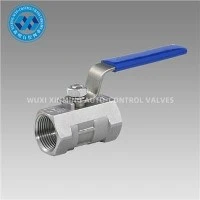
When it comes to the installation of a pneumatic ball valve, understanding the required installation clearances is crucial for ensuring optimal performance and longevity. As a leading supplier of pneumatic ball valves, we have extensive experience in this field and are here to share valuable insights on this topic.
Why Installation Clearances Matter
Installation clearances refer to the space that needs to be left around the pneumatic ball valve during installation. These clearances are not arbitrary; they play a vital role in the proper functioning of the valve. Firstly, sufficient clearance allows for easy access during maintenance and repair work. If there is not enough space around the valve, technicians may find it difficult to reach the valve components, which can lead to longer downtime and increased maintenance costs.
Secondly, proper clearances help with heat dissipation. Pneumatic ball valves can generate heat during operation, especially in high - pressure or high - flow applications. Adequate space around the valve allows for better air circulation, which helps to keep the valve at a reasonable operating temperature. Overheating can cause damage to the valve seals, actuator components, and other internal parts, reducing the valve's lifespan and performance.
General Installation Clearance Requirements
Front and Back Clearance
For the front and back of the pneumatic ball valve, a clearance of at least 1.5 to 2 times the valve's nominal diameter is typically recommended. This clearance is necessary for the installation and removal of the valve. When installing the valve, technicians need enough space to connect the pipes to the valve ports. If the clearance is too small, it may be difficult to align the pipes properly, which can lead to leaks or improper valve operation.


For example, if you are installing a pneumatic ball valve with a nominal diameter of 50mm, you should leave a clearance of at least 75mm to 100mm at the front and back of the valve. This space also allows for the easy replacement of the valve in case of a malfunction.
Side Clearance
On the sides of the pneumatic ball valve, a clearance of about 1 to 1.5 times the valve's nominal diameter is usually required. This clearance is important for accessing the valve's actuator and other control components. The actuator is a critical part of the pneumatic ball valve, as it is responsible for opening and closing the valve. If there is not enough side clearance, it may be difficult to perform maintenance on the actuator, such as replacing the seals or adjusting the control settings.
Above and Below Clearance
Above the pneumatic ball valve, a clearance of at least 0.5 to 1 times the valve's nominal diameter is recommended. This space is needed for the installation and operation of the actuator. Some actuators may have protruding parts or require additional space for mounting accessories. Below the valve, a similar clearance should be maintained to allow for drainage and to prevent the valve from being blocked by debris or other objects.
Special Considerations for Different Valve Types
2PC Thread Ball Valve
The 2PC Thread Ball Valve is a popular type of pneumatic ball valve. Due to its threaded connection, it may require slightly more clearance during installation. The threading process may involve using tools such as wrenches, and enough space is needed to operate these tools effectively. Additionally, the threaded connection may require some extra space for sealing materials, such as thread seal tape or pipe dope.
Three Way Ball Valve
The Three Way Ball Valve has a more complex design compared to a standard two - way ball valve. It has three ports, which means that there are more connection points and a larger valve body. As a result, the installation clearances for a three - way ball valve may be slightly larger than those for a two - way valve. More space is needed to connect the additional pipes and to ensure proper alignment of the valve ports.
Pneumatic Actuated Three - Way Stainless Steel Ball Valve
The Pneumatic Actuated Three - Way Stainless Steel Ball Valve combines the features of a three - way ball valve with a pneumatic actuator. The stainless - steel construction makes it suitable for use in corrosive environments, but it also adds to the weight and size of the valve. When installing this type of valve, it is important to consider the weight and size of the actuator. A larger actuator may require more clearance around the valve for proper mounting and operation.
Factors Affecting Installation Clearances
System Pressure and Temperature
High - pressure and high - temperature systems may require larger installation clearances. In high - pressure systems, the valve components may be subjected to greater forces, and there is a higher risk of leakage. More space around the valve allows for better inspection and maintenance to ensure the integrity of the valve. In high - temperature systems, the increased heat dissipation requirements necessitate larger clearances for better air circulation.
Pipe Configuration
The configuration of the pipes in the system can also affect the installation clearances. If the pipes are arranged in a complex layout, such as a tight - fitting maze of pipes, it may be more difficult to provide the recommended clearances. In such cases, careful planning and precise installation are required to ensure that the valve can still be installed and maintained properly.
Accessibility for Maintenance
The accessibility of the valve for maintenance is a key factor in determining the installation clearances. If the valve is located in a hard - to - reach area, such as a confined space or a high - up location, more clearance may be needed to allow technicians to safely access the valve. This may involve leaving extra space for ladders, scaffolding, or other access equipment.
Importance of Following Installation Clearance Guidelines
Following the recommended installation clearances is essential for the proper functioning and safety of the pneumatic ball valve. Failure to provide adequate clearances can lead to a variety of problems, including:
- Poor Performance: Insufficient clearance can prevent the valve from opening and closing fully, leading to reduced flow rates and inaccurate control of the fluid or gas.
- Increased Wear and Tear: Limited space can cause the valve components to rub against each other or against the surrounding pipes, leading to premature wear and tear.
- Safety Hazards: Inadequate clearances can make it difficult to perform maintenance and inspection, increasing the risk of undetected leaks or malfunctions, which can pose safety hazards to personnel and the environment.
Conclusion
In conclusion, understanding and adhering to the installation clearance requirements for pneumatic ball valves is crucial for their optimal performance, longevity, and safety. As a pneumatic ball valve supplier, we are committed to providing our customers with high - quality valves and comprehensive technical support. If you have any questions about the installation clearances for our pneumatic ball valves or need assistance with valve selection and installation, please do not hesitate to contact us. Our team of experts is ready to help you ensure a successful installation and operation of your pneumatic ball valve system. Let's work together to meet your specific requirements and achieve the best results for your projects.
References
- Valves Handbook, various editions.
- Pneumatic Actuator and Valve Installation Guidelines, industry - specific manuals.