

Hey there! As a supplier of Vacuum Ball Valves, I've had the chance to work closely with these nifty pieces of equipment. Over the years, I've come to understand what makes a good vacuum ball valve stand out from the rest. So, let's dive right in and talk about the features that you should look for when you're in the market for one.
1. High - Quality Sealing
One of the most crucial features of a good vacuum ball valve is its sealing ability. In a vacuum environment, even the tiniest leak can cause big problems. A top - notch valve should have a reliable sealing mechanism that can prevent air or gas from leaking in or out. This is usually achieved through high - quality seals made from materials like PTFE (Polytetrafluoroethylene) or other elastomers. These materials are not only resistant to wear and tear but also have excellent chemical resistance, which means they can handle different types of gases and fluids without degrading.
For example, when you're using a vacuum ball valve in a chemical processing plant, the seals need to be able to withstand the corrosive nature of the chemicals involved. If the seals are not up to the mark, it can lead to contamination of the process and even pose safety risks. That's why at our company, we make sure that all our Vacuum Ball Valve are equipped with the best sealing materials to ensure maximum performance.
2. Durable Construction
A good vacuum ball valve should be built to last. It's going to be exposed to various pressures, temperatures, and potentially harsh environments. That's why the construction materials are of utmost importance. Stainless steel is a popular choice for the body of the valve because it's strong, corrosion - resistant, and can handle high - temperature applications.
The ball inside the valve also needs to be made of a durable material. In most cases, it's also stainless steel, which is precision - machined to ensure a smooth and accurate rotation. This precision is essential for proper valve operation and to maintain a tight seal. Additionally, the valve's stem and other internal components should be made of materials that can withstand the forces and stresses they'll encounter during normal use.

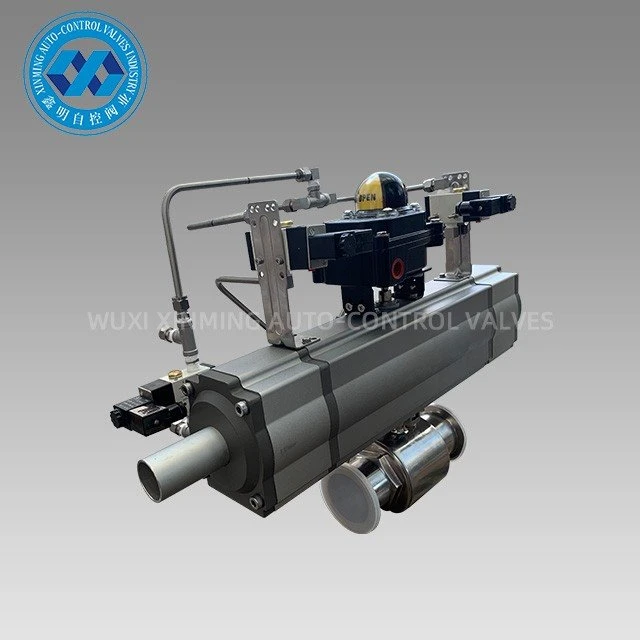
For instance, if you're using a vacuum ball valve in an industrial setting where there are vibrations or mechanical shocks, a valve with a flimsy construction won't hold up for long. But with a well - built valve, you can be confident that it will continue to function properly for years to come.
3. Smooth Operation
Another key feature is how smoothly the valve operates. A good vacuum ball valve should open and close with ease, without any sticking or excessive force required. This is achieved through proper design and high - quality manufacturing processes.
The ball inside the valve should rotate freely within the valve body. The stem, which is used to control the movement of the ball, should also be well - lubricated and properly aligned. When a valve operates smoothly, it not only makes it easier for the operator to use but also reduces the wear and tear on the internal components, extending the valve's lifespan.
Imagine having to struggle every time you need to open or close a valve. It's not only frustrating but can also lead to premature failure of the valve. That's why we focus on ensuring that all our valves offer smooth and effortless operation.
4. Precise Flow Control
In many applications, precise flow control is essential. A good vacuum ball valve should be able to regulate the flow of gas or fluid accurately. This is typically achieved through the design of the ball and the valve's port size.
The ball in a vacuum ball valve can have different port sizes, such as full - port or reduced - port. A full - port ball valve allows for maximum flow, while a reduced - port valve can be used for more precise flow control. The valve's design should also ensure that there is minimal pressure drop across the valve, which is important for maintaining the efficiency of the system.
For example, in a vacuum distillation process, you need to be able to control the flow of the vapor precisely to achieve the desired separation. A valve that can't provide accurate flow control can lead to inconsistent results and reduced product quality. That's why we offer a range of vacuum ball valves with different port sizes and flow characteristics to meet the specific needs of our customers.
5. Compatibility
A good vacuum ball valve should be compatible with the rest of the system it's going to be installed in. This includes compatibility with the piping system, the type of gas or fluid being used, and the operating conditions.
It should have the right connection type, such as threaded, flanged, or welded, to ensure a proper fit with the piping. The valve also needs to be able to handle the pressure and temperature range of the system. Additionally, it should be compatible with the type of gas or fluid, whether it's a corrosive chemical, a high - purity gas, or a viscous liquid.
For instance, if you're using a valve in a semiconductor manufacturing process, the valve needs to be compatible with the ultra - high - purity gases used in the process. Any contamination from an incompatible valve can lead to defects in the semiconductor chips. That's why we work closely with our customers to understand their system requirements and recommend the most suitable Vacuum Ball Valve for their needs.
6. Low Maintenance
No one wants to spend a lot of time and money on maintaining their valves. A good vacuum ball valve should be designed for low maintenance. This means using high - quality materials that are resistant to wear and corrosion, and having a simple and easy - to - access design for any necessary repairs or replacements.
The seals, for example, should be easy to replace if they wear out. The valve's internal components should also be designed in a way that allows for quick inspection and cleaning. When a valve requires less maintenance, it reduces downtime and overall operating costs.
For example, in a continuous manufacturing process, any downtime due to valve maintenance can result in lost production and revenue. By choosing a low - maintenance vacuum ball valve, you can keep your operations running smoothly and efficiently.
7. Actuation Options
Depending on the application, different actuation options may be required. A good vacuum ball valve should offer a variety of actuation methods, such as manual, pneumatic, or electric.
Manual actuation is simple and cost - effective for applications where the valve doesn't need to be operated frequently or where there is no need for remote control. Pneumatic actuation, on the other hand, is great for applications where fast and precise operation is required. It uses compressed air to open and close the valve.
If you need to control the valve remotely or integrate it into an automated system, electric actuation is a good choice. Electric actuators can be controlled using a variety of signals, such as 4 - 20 mA or digital signals.
For example, in a large - scale industrial plant, pneumatic or electric actuation may be preferred to allow for centralized control and automation. We offer a range of Pneumatic Ball Valve With Internal Thread and other actuated valves to meet different customer needs.
8. Safety Features
Safety is always a top priority. A good vacuum ball valve should have built - in safety features to prevent accidents and protect the system. This can include features like over - pressure protection, anti - static design, and emergency shut - off capabilities.
Over - pressure protection ensures that the valve can handle sudden increases in pressure without failing. Anti - static design is important in applications where there is a risk of static electricity buildup, which can cause sparks and potentially lead to explosions. Emergency shut - off capabilities allow for quick closure of the valve in case of an emergency, such as a leak or a system failure.
For example, in a fuel storage facility, a vacuum ball valve with proper safety features can prevent fuel spills and potential fires. We make sure that all our valves are designed with safety in mind to provide peace of mind to our customers.
Conclusion
So, there you have it - the key features of a good vacuum ball valve. As a supplier, we understand the importance of these features and strive to provide our customers with the best - quality valves that meet their specific needs. Whether you're in the chemical industry, the food and beverage industry, or any other field that requires vacuum valves, we have the right solution for you.
If you're interested in learning more about our Vacuum Ball Valve or our 3 Way Ball Valve With Pneumatic Actuator, feel free to reach out to us. We'd be more than happy to discuss your requirements and help you find the perfect valve for your application. Let's work together to ensure the smooth and efficient operation of your systems!
References
- Valve Handbook, 4th Edition by J. A. Metzger
- Industrial Valves: Selection, Installation, and Maintenance by R. A. Smith




