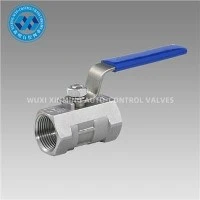
What are the food - grade requirements for a thread ball valve?
As a dedicated thread ball valve supplier, I understand the critical importance of food - grade requirements in the manufacturing and application of thread ball valves. In the food and beverage industry, the quality and safety of products are of utmost concern, and the valves used in the production process play a vital role in ensuring these standards are met.
Material Selection
The first and most fundamental aspect of food - grade requirements for a thread ball valve is the selection of materials. The materials used must be non - toxic, corrosion - resistant, and able to withstand the harsh conditions of food processing environments.
Stainless steel is one of the most commonly used materials for food - grade thread ball valves. Grade 316 stainless steel, in particular, is highly favored due to its excellent corrosion resistance, especially against acids and alkalis that are often present in food and beverage production. It is also resistant to oxidation and pitting, which helps to maintain the integrity of the valve over time. The smooth surface of stainless steel prevents the accumulation of food particles and bacteria, making it easier to clean and sanitize.
Another important material consideration is the sealing material. For food - grade applications, elastomers such as EPDM (Ethylene Propylene Diene Monomer) and PTFE (Polytetrafluoroethylene) are commonly used. EPDM has good resistance to water, steam, and many chemicals found in food processing. It is also non - toxic and can withstand a wide range of temperatures. PTFE, on the other hand, is known for its excellent chemical resistance and low friction coefficient. It is also non - stick, which helps to prevent the adhesion of food substances to the valve seals.
Design and Construction
The design and construction of a food - grade thread ball valve are equally important. The valve should be designed to minimize dead spaces where food particles can accumulate. A smooth and continuous internal surface is essential to prevent the growth of bacteria and the formation of biofilms.
The ball in the valve should have a precise spherical shape and a smooth surface finish. This ensures a tight seal when the valve is closed, preventing any leakage of food products. The stem of the valve should be properly sealed to prevent the ingress of contaminants from the outside environment.
In addition, the valve should be easy to disassemble and reassemble for cleaning and maintenance. Quick - release mechanisms or simple fastening systems can greatly facilitate this process. For example, some thread ball valves are designed with a double - union connection, which allows for easy removal of the valve body for thorough cleaning. You can learn more about [Double Union L - Shaped Three - Way Ball Valve](/ball - valve/double - union - l - shaped - three - way - ball - valve.html) on our website.
Hygiene and Sanitization
Maintaining high levels of hygiene is crucial in food - grade applications. Thread ball valves must be able to withstand frequent cleaning and sanitization procedures without degradation.
Clean - in - Place (CIP) and Sterilize - in - Place (SIP) are common methods used in the food and beverage industry. CIP involves circulating cleaning solutions through the valve and the entire piping system to remove dirt, debris, and microorganisms. SIP, on the other hand, uses high - temperature steam or chemical sterilants to kill bacteria and other pathogens.
Food - grade thread ball valves should be compatible with a variety of cleaning and sanitizing agents, including acids, alkalis, and disinfectants. They should also be able to withstand the high temperatures and pressures associated with SIP processes. For example, some valves are designed to operate at temperatures up to 150°C during sterilization procedures.
Certification and Compliance
To ensure that a thread ball valve meets food - grade requirements, it is essential to obtain relevant certifications. Certifications such as FDA (Food and Drug Administration) in the United States and EC (European Commission) in Europe are widely recognized in the food industry.
The FDA sets strict standards for materials and products that come into contact with food. A valve that is FDA - compliant has been tested and approved for use in food processing applications. Similarly, EC regulations ensure that products meet the safety and hygiene requirements for the European market.
As a supplier, we ensure that all our thread ball valves are manufactured in accordance with these international standards. Our valves undergo rigorous testing to ensure compliance with food - grade requirements.
Application in Different Food Processes
Food - grade thread ball valves are used in a wide range of food and beverage processes. In the dairy industry, for example, they are used to control the flow of milk, cream, and other dairy products. The valves must be able to handle the high - viscosity and high - protein nature of dairy products without clogging or causing contamination.
In the brewing industry, thread ball valves are used in the fermentation, filtration, and bottling processes. They need to be able to withstand the high - pressure and high - temperature conditions associated with brewing, as well as the acidic and alcoholic nature of beer.
In the juice and soft - drink industry, valves are used to control the flow of fruit juices, syrups, and carbonated beverages. They must be resistant to the acidic and sugary nature of these products and be able to prevent the growth of mold and bacteria.
Specialized Valves for Specific Applications
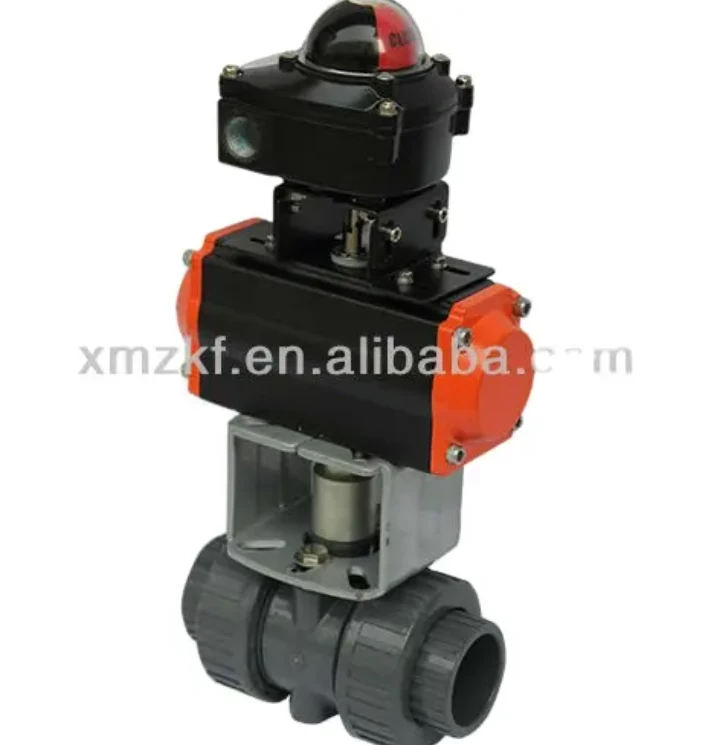
In addition to standard thread ball valves, there are also specialized valves for specific food - grade applications. For example, [Pneumatic Ball Valve](/ball - valve/pneumatic - ball - valve.html) are often used in automated food processing systems. These valves can be controlled remotely, allowing for precise and efficient operation. They are also suitable for applications where high - speed valve actuation is required.
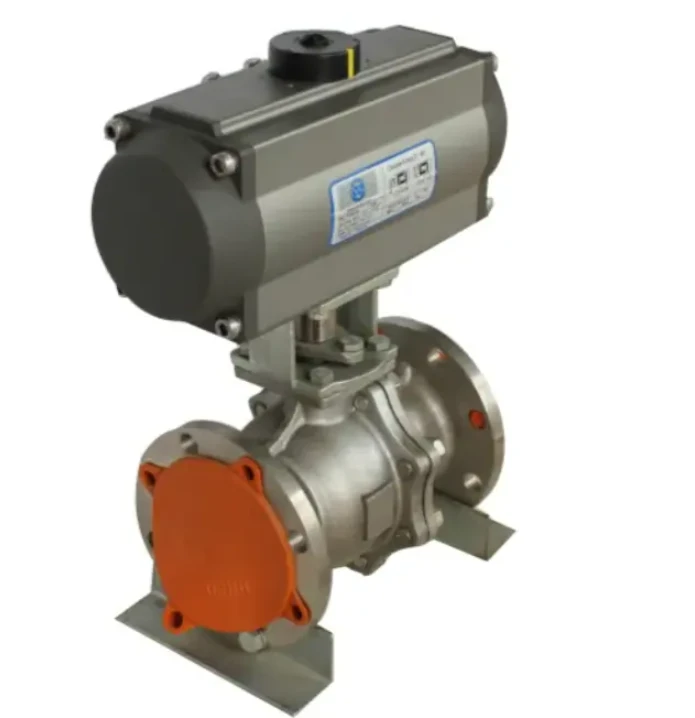
[Flange End Vacuum Ball Valve With Pneumatic Actuator](/ball - valve/flange - end - vacuum - ball - valve - with - pneumatic.html) are used in vacuum - based food processing applications, such as freeze - drying and vacuum packaging. These valves are designed to maintain a tight seal under vacuum conditions and are often equipped with pneumatic actuators for easy operation.
Conclusion
In conclusion, food - grade requirements for a thread ball valve involve a combination of material selection, design and construction, hygiene and sanitization, and certification and compliance. As a supplier, we are committed to providing high - quality thread ball valves that meet these strict requirements.
If you are in the food and beverage industry and are looking for reliable and compliant thread ball valves, we invite you to contact us for further discussion and procurement. Our team of experts is ready to assist you in selecting the right valves for your specific applications.
References
- Food and Drug Administration (FDA) regulations on food - contact materials.
- European Commission (EC) directives on food safety and hygiene.
- Industry standards and guidelines for food processing equipment.