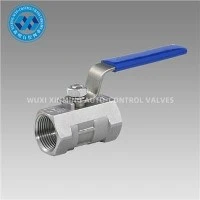
Hey there! As a supplier of flange ball valves, I've seen my fair share of issues that pop up when these valves are used in slurry pipelines. Slurry pipelines are a bit of a tricky beast, carrying a mix of solids and liquids, and that can really put a strain on our trusty flange ball valves. But don't worry, I'm here to break down the common problems and share some solutions.
Common Problems When Using Flange Ball Valves in Slurry Pipelines
1. Erosion and Wear
Slurry is like a rough - and - tumble mix. The solid particles in it are constantly rubbing against the valve components. The ball, seat, and body of the flange ball valve take the brunt of this abrasion. Over time, this can lead to thinning of the valve walls, leakage, and reduced valve performance. You might notice that the valve doesn't close as tightly as it used to, or there's a gradual drop in pressure control.
2. Plugging
Another headache is plugging. The solids in the slurry can settle and accumulate inside the valve. This is especially true in areas where the flow velocity is low, like in the valve cavities. Once the valve gets plugged, it can disrupt the flow in the pipeline, causing blockages and potentially leading to system failures.
3. Corrosion
Depending on the chemical composition of the slurry, corrosion can be a real issue. Some slurries are acidic or alkaline, and these can eat away at the valve materials. Corrosion weakens the valve structure, making it more prone to leaks and failures.
4. Actuation Problems
If your flange ball valve has an actuator (like an Electrical Ball Valve or a pneumatic one), the slurry can cause problems. Solids can get into the actuator mechanism, jamming it up and preventing the valve from opening or closing properly.
Solutions to These Problems
1. Material Selection
One of the first steps in solving these problems is choosing the right materials for your flange ball valve. For erosion - resistant applications, consider using hard - faced materials. Ceramics are a great option as they are extremely hard and can withstand a lot of abrasion. Tungsten carbide is another popular choice. It has excellent wear resistance and can hold up well against the solid particles in the slurry.
When it comes to corrosion, select materials that are chemically resistant. Stainless steel is a good all - around option for many slurry applications. For more aggressive slurries, you might want to look into special alloys or coatings.
2. Valve Design Modifications
To prevent plugging, we can make some design changes to the flange ball valve. A full - port design is a great start. In a full - port valve, the bore of the valve is the same size as the pipeline, which means there are fewer areas for solids to accumulate.


We can also add features like flushing ports. These ports allow you to inject a cleaning fluid into the valve to remove any accumulated solids. This can be done periodically to keep the valve free of blockages.
3. Maintenance and Monitoring
Regular maintenance is key to keeping your flange ball valve in good shape. Inspect the valve regularly for signs of wear, corrosion, or plugging. Replace any worn - out parts promptly.
Monitoring the valve's performance is also important. You can use sensors to measure parameters like pressure, flow rate, and valve position. If you notice any abnormal changes in these parameters, it could be a sign of a problem with the valve.
4. Actuator Protection
For valves with actuators, take steps to protect them from the slurry. You can use enclosures to keep solids out of the actuator mechanism. Regularly clean and lubricate the actuator to ensure smooth operation. And if you're using a Pneumatic Actuator Jacketed Flange Ball Vavle, make sure the jacket is properly maintained to prevent any slurry from getting in.
Special Considerations for Different Slurry Types
1. High - Concentration Slurries
High - concentration slurries have a large amount of solids, which means the erosion and plugging problems are even more severe. In these cases, using a valve with a more robust design and highly wear - resistant materials is crucial. You might also need to increase the frequency of maintenance and flushing.
2. Abrasive Slurries
Abrasive slurries, like those containing sand or gravel, can cause rapid wear. Using a valve with a hard - faced ball and seat is essential. Additionally, you can consider using a valve with a higher flow velocity to keep the solids in suspension and reduce settling.
3. Chemically Reactive Slurries
For chemically reactive slurries, the choice of material is critical. You need to select a material that can withstand the specific chemical environment. Coating the valve components with a chemical - resistant layer can also provide an extra level of protection.
Case Studies
Let me share a couple of real - world examples. A customer was using a standard flange ball valve in a slurry pipeline carrying a high - concentration abrasive slurry. They were experiencing frequent valve failures due to erosion and plugging. After we recommended switching to a full - port flange ball valve with a tungsten carbide ball and seat, and adding flushing ports, the valve's lifespan increased significantly. The frequency of maintenance also went down, saving them both time and money.
Another customer had issues with actuation in their Sanitary Three Way Clamp Ball Valve With Pneumatic Actuator in a slurry pipeline. The slurry was getting into the actuator and causing it to jam. We installed an enclosure around the actuator and set up a regular cleaning schedule. This solved the actuation problem and kept the valve operating smoothly.
Conclusion
Using flange ball valves in slurry pipelines can be challenging, but with the right approach, these problems can be effectively managed. By carefully selecting materials, modifying valve designs, performing regular maintenance, and taking special considerations for different slurry types, you can ensure the long - term performance of your valves.
If you're facing any issues with using flange ball valves in your slurry pipelines, or if you're looking to upgrade your current valves, I'd love to have a chat. Contact me for more information and let's work together to find the best solution for your specific needs.
References
- "Valve Handbook" by Butterworth - Heinemann
- "Slurry Pipeline Technology" by Institution of Chemical Engineers