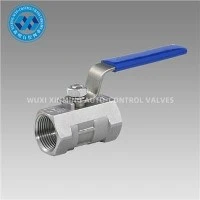
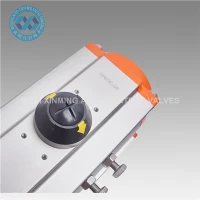
Hey there! As a supplier of ceramic ball valves, I've seen firsthand the amazing advantages these valves bring to the table. In this blog, I'll share with you why using a ceramic ball valve can be a game - changer for your operations.
1. Exceptional Wear Resistance
One of the biggest perks of ceramic ball valves is their outstanding wear resistance. Ceramics are extremely hard materials. When compared to traditional metal ball valves, ceramic ball valves can withstand a lot more wear and tear.
In industries where there are abrasive media flowing through the pipes, like mining, cement production, or pulp and paper manufacturing, metal valves can quickly wear out. The constant flow of sand, slurry, or other rough substances can cause the valve seats and balls to erode, leading to leaks and a shorter lifespan.
But ceramic ball valves? They're like little warriors in the pipeline. The hard ceramic material can resist the abrasion from these harsh media for a much longer time. This means less frequent valve replacements, which saves you both time and money in the long run. You won't have to shut down your operations as often to change out worn - out valves, and you'll also cut down on the cost of purchasing new valves.
2. Corrosion Resistance
Corrosion is a major headache in many industries. Whether it's the acidic chemicals in the chemical processing industry or the saltwater in the marine industry, corrosive substances can eat away at metal valves.
Ceramic, on the other hand, is highly resistant to corrosion. It can handle a wide range of corrosive media, including acids, alkalis, and salts. This makes ceramic ball valves an ideal choice for applications where corrosion is a concern.
For example, in a chemical plant, where different types of corrosive chemicals are being transported, a metal valve would likely start to corrode within a short period. But a ceramic ball valve can maintain its integrity, ensuring a tight seal and reliable operation over an extended period. This not only improves the safety of the system but also reduces the risk of environmental contamination due to leaks.
3. High - Temperature Resistance
Some industrial processes involve high temperatures. For instance, in the power generation industry, steam at high temperatures is used to drive turbines. Metal valves may deform or lose their sealing properties under such high - temperature conditions.
Ceramic ball valves have excellent high - temperature resistance. They can operate at temperatures that would be too extreme for many metal valves. This allows them to be used in applications where high - temperature fluids or gases are present, such as in furnaces, boilers, and high - temperature pipelines.
The ability to withstand high temperatures also means that ceramic ball valves can provide consistent performance in these harsh environments. You don't have to worry about the valve failing due to thermal expansion or other temperature - related issues.
4. Precise Flow Control
Ceramic ball valves offer precise flow control. The smooth surface of the ceramic ball and seat allows for accurate regulation of the flow rate. Whether you need to control a small, steady flow or a large, rapid flow, a ceramic ball valve can do the job.
In industries like pharmaceuticals and food and beverage, where precise flow control is crucial for product quality, ceramic ball valves are a great option. For example, in a pharmaceutical manufacturing process, a small deviation in the flow rate of a chemical ingredient can affect the quality and efficacy of the final product. A ceramic ball valve can ensure that the flow rate is maintained at the exact level required, resulting in consistent product quality.
5. Low Friction and Energy Efficiency
The low friction coefficient of ceramic materials is another advantage of ceramic ball valves. When the valve is opened or closed, there is less resistance compared to metal valves. This means that less energy is required to operate the valve.
In a large - scale industrial system with multiple valves, the energy savings can be significant over time. For example, if you're using pneumatic actuators to operate the valves, the lower friction of the ceramic ball valve will require less compressed air, reducing your energy consumption and operating costs.
6. Tight Sealing Performance
A good seal is essential for any valve. Ceramic ball valves can provide a tight seal, even under high pressure. The hard and smooth ceramic surface can form a perfect fit between the ball and the seat, preventing leaks.
This is especially important in applications where leakage can have serious consequences, such as in the oil and gas industry. A leak in an oil pipeline can not only cause environmental damage but also result in significant financial losses. Ceramic ball valves can help ensure that your system remains leak - free, providing peace of mind and protecting your bottom line.

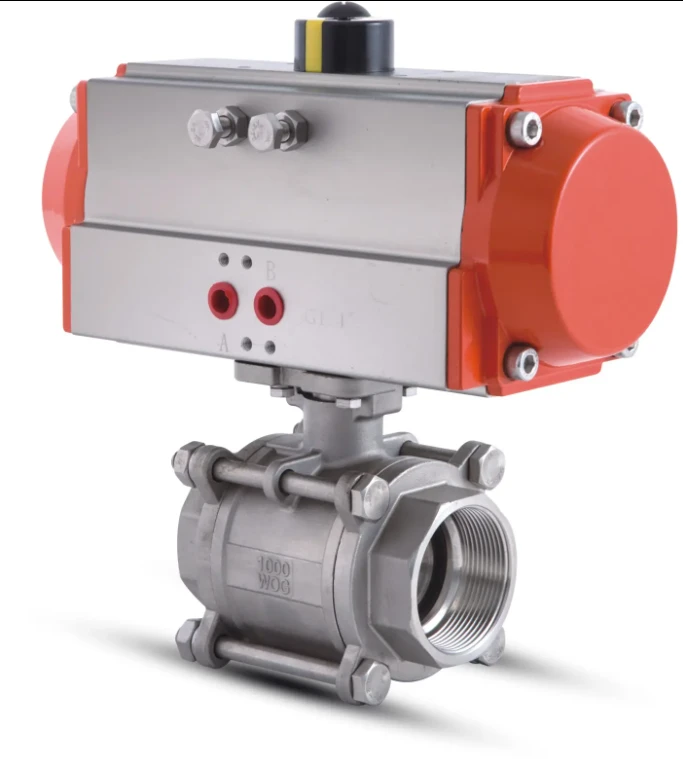
Our Product Range
As a supplier, we offer a wide range of ceramic ball valves to meet different needs. We also have related products like the [180 Degree Pneumatic Actuator 3 Way Ball Valve](/ball - valve/180 - degree - 111.html), which provides flexible flow control options. The [Pneumatic 3PC Stainless Steel Ball Valve](/ball - valve/pneumatic - 3pc - stainless - steel - ball - valve.html) combines the advantages of stainless steel and pneumatic operation, and the [3 Piece Pneumatic Thread Ball Valve](/ball - valve/3 - piece - pneumatic - thread - ball - valve.html) is designed for easy installation and maintenance.
Let's Connect
If you're interested in learning more about our ceramic ball valves or have specific requirements for your project, don't hesitate to reach out. We're here to help you find the best valve solutions for your needs. Whether you're in a small - scale operation or a large industrial plant, our ceramic ball valves can offer the performance and reliability you're looking for. Let's start a conversation and see how we can work together to improve your operations.
References
- "Handbook of Valves" by Valves Association
- "Ceramic Materials in Industrial Applications" research papers from industrial material journals