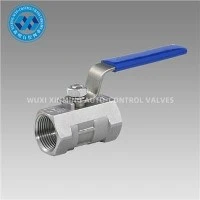
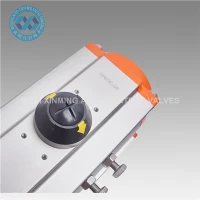
Hey there, folks! I'm a supplier of AT Pneumatic Actuators, and I often get asked about the maintenance intervals for these bad boys. So, in this blog, I'm gonna break it down for you and give you all the deets on how often you should be servicing your AT Pneumatic Actuator.
First off, let's talk about what an AT Pneumatic Actuator is and why it's important to keep it in good shape. An AT Pneumatic Actuator is a device that uses compressed air to convert energy into mechanical motion. It's commonly used in industrial applications to control valves, dampers, and other types of equipment. These actuators are known for their reliability, durability, and efficiency, but like any piece of machinery, they need regular maintenance to keep them running smoothly.
So, what are the factors that determine the maintenance intervals for an AT Pneumatic Actuator? Well, there are a few things to consider. One of the most important factors is the operating environment. If your actuator is being used in a harsh or dirty environment, it's going to need more frequent maintenance than if it's being used in a clean, controlled environment. For example, if your actuator is located near a lot of dust, dirt, or moisture, it's more likely to get clogged or damaged, which can lead to decreased performance or even failure.
Another factor to consider is the frequency of use. If your actuator is being used constantly, it's going to wear out faster than if it's only being used occasionally. So, if you have an actuator that's running 24/7, you're going to need to service it more often than if you have one that's only being used a few times a week.
The type of application is also important. Different applications place different demands on the actuator. For example, if your actuator is being used in a high-pressure or high-temperature application, it's going to need more frequent maintenance than if it's being used in a low-pressure or low-temperature application.
Now, let's get into the actual maintenance intervals. The general rule of thumb is to perform a visual inspection of your actuator at least once a month. During this inspection, you should look for any signs of wear, damage, or leaks. Check the mounting bolts to make sure they're tight, and look for any loose or damaged wires or hoses. If you notice any issues, you should address them right away to prevent further damage.
In addition to the monthly visual inspection, you should also perform a more in-depth maintenance check every three to six months. This check should include cleaning the actuator, lubricating the moving parts, and checking the air filters and regulators. Cleaning the actuator will help remove any dirt, dust, or debris that may have accumulated, which can improve its performance and extend its lifespan. Lubricating the moving parts will help reduce friction and wear, which can also improve performance and prevent damage. Checking the air filters and regulators will ensure that the actuator is getting the proper amount of air pressure and that the air is clean and free of contaminants.
For actuators that are used in more demanding applications or harsh environments, you may need to perform maintenance more frequently. In some cases, you may need to perform weekly or even daily inspections and maintenance checks. It's important to follow the manufacturer's recommendations for maintenance intervals, as they are based on the specific design and specifications of the actuator.
Now, let's talk about some of the specific components of an AT Pneumatic Actuator that need to be maintained. One of the most important components is the piston. The piston is responsible for converting the energy from the compressed air into mechanical motion, so it's important to keep it clean and lubricated. Over time, the piston can wear out or become damaged, which can lead to decreased performance or even failure. If you notice any issues with the piston, such as excessive wear, scoring, or leaks, you should replace it as soon as possible.
Another important component is the seals. The seals are responsible for preventing air from leaking out of the actuator, so it's important to keep them in good condition. Over time, the seals can wear out or become damaged, which can lead to air leaks and decreased performance. If you notice any air leaks around the seals, you should replace them as soon as possible.
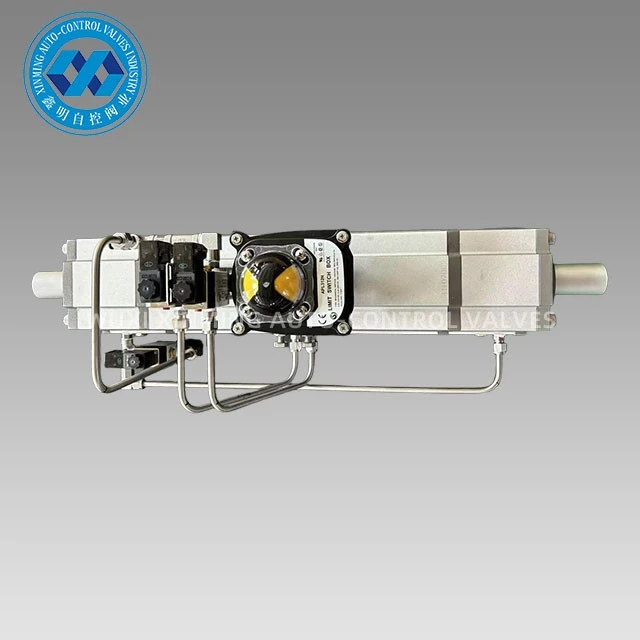
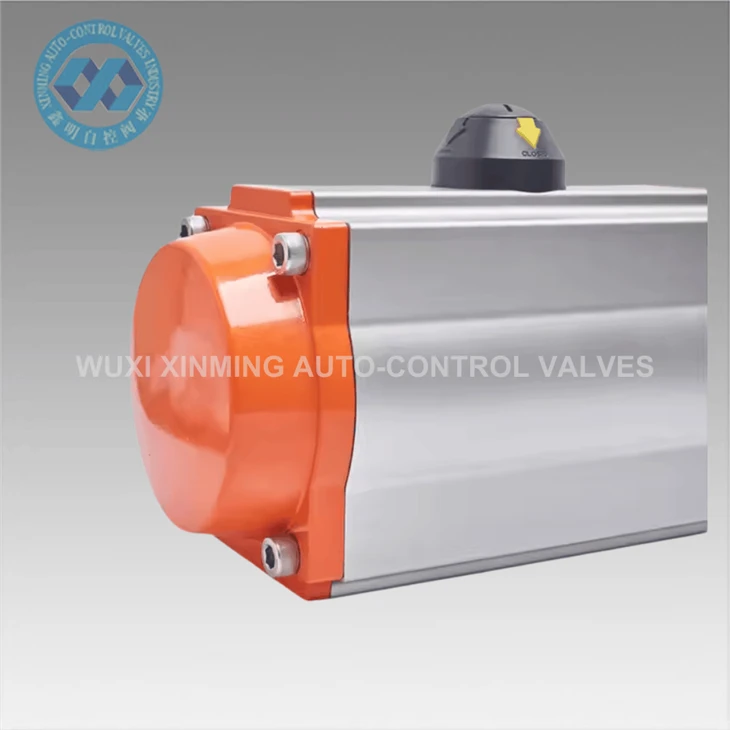
The air filters and regulators are also important components that need to be maintained. The air filters are responsible for removing dirt, dust, and other contaminants from the compressed air, while the regulators are responsible for controlling the air pressure. If the air filters become clogged or the regulators malfunction, it can lead to decreased performance or even damage to the actuator. It's important to replace the air filters regularly and to have the regulators checked and calibrated by a professional on a regular basis.
In conclusion, the maintenance intervals for an AT Pneumatic Actuator depend on a variety of factors, including the operating environment, the frequency of use, and the type of application. By performing regular visual inspections and more in-depth maintenance checks, you can keep your actuator in good condition and prevent costly breakdowns and repairs. If you have any questions or need more information about maintaining your AT Pneumatic Actuator, feel free to reach out to us. We're here to help you keep your equipment running smoothly.
If you're in the market for a new Pneumatic Air Actuator, a Three Position Actuator, or a 2-way 5-port High-pressure Pneumatic Solenoid Valve(0-10MPA), we've got you covered. We offer a wide range of high-quality pneumatic actuators and related products at competitive prices. So, if you're interested in learning more about our products or getting a quote, don't hesitate to get in touch with us. We'd love to have a chat with you and see how we can help meet your needs.