Hey there! As a supplier of PVC ball valves, I've seen firsthand the importance of these valves in water treatment applications. In this blog, I'll break down the specific requirements for PVC ball valves in water treatment, so you can make an informed decision when it comes to your projects.
Chemical Resistance
One of the most critical requirements for PVC ball valves in water treatment is chemical resistance. Water treatment processes often involve the use of various chemicals, such as chlorine, sulfuric acid, and sodium hydroxide, to disinfect, adjust pH levels, and remove impurities. PVC is known for its excellent resistance to a wide range of chemicals, making it an ideal material for ball valves in these environments.
However, it's important to note that not all PVC formulations are created equal. When selecting a PVC ball valve for water treatment, you need to ensure that the valve is made from a high - quality PVC resin that can withstand the specific chemicals used in your treatment process. For example, if your water treatment involves high - concentrations of chlorine, you'll want a valve that is specifically designed to resist the corrosive effects of this chemical.
Pressure and Temperature Ratings
Another key requirement is the pressure and temperature ratings of the PVC ball valve. Water treatment systems can operate under a wide range of pressures and temperatures, depending on the specific process and the location within the system.
The pressure rating of a PVC ball valve indicates the maximum pressure that the valve can safely handle without leaking or failing. In water treatment applications, pressures can vary from low - pressure systems used for simple filtration to high - pressure systems used for reverse osmosis or water injection. Make sure to choose a valve with a pressure rating that exceeds the maximum pressure expected in your system to ensure reliable operation.
Similarly, the temperature rating is crucial. PVC ball valves have a limited temperature range within which they can function properly. In most cases, PVC valves can handle temperatures between 0°C and 60°C. If your water treatment process involves higher temperatures, you may need to consider alternative materials or special high - temperature PVC formulations.
Flow Capacity
Flow capacity is also an important consideration. The flow capacity of a ball valve is determined by its size and the design of the ball and seat. In water treatment applications, you need to ensure that the valve can handle the required flow rate without causing excessive pressure drop.
A valve with a too - small flow capacity can restrict the flow of water, leading to reduced efficiency and increased energy consumption. On the other hand, a valve that is too large for the application can be more expensive and may not provide precise control. You'll need to calculate the required flow rate based on your water treatment process and select a valve with an appropriate size and flow coefficient (Cv).
Sealing Performance
Good sealing performance is essential for PVC ball valves in water treatment. A leaky valve can not only waste water but also allow contaminants to enter the system, compromising the quality of the treated water.
The sealing of a ball valve is typically achieved through the use of elastomeric seals, such as O - rings. These seals need to be made from materials that are compatible with the water and chemicals in the system. Additionally, the design of the ball and seat should ensure a tight seal when the valve is closed. Look for valves with a reliable sealing mechanism, such as a floating ball design, which can provide better sealing under different pressure conditions.
Durability and Longevity
Water treatment systems are often expected to operate continuously for long periods. Therefore, the durability and longevity of the PVC ball valve are crucial. The valve should be able to withstand the wear and tear of regular use, as well as the effects of the water and chemicals in the system.
High - quality PVC ball valves are designed with thick - walled bodies and strong internal components to ensure long - term reliability. They should also be resistant to UV radiation if they are installed outdoors. Regular maintenance, such as lubricating the seals and checking for any signs of damage, can also help extend the life of the valve.
Types of PVC Ball Valves for Water Treatment
There are several types of PVC ball valves that are commonly used in water treatment applications.
Two - Way Ball Valves
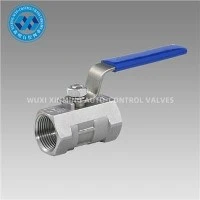
Two - way ball valves are the most basic type and are used for simple on - off control of water flow. They are suitable for applications where you only need to start or stop the flow of water, such as in a simple filtration system.
Three Way Ball Valve
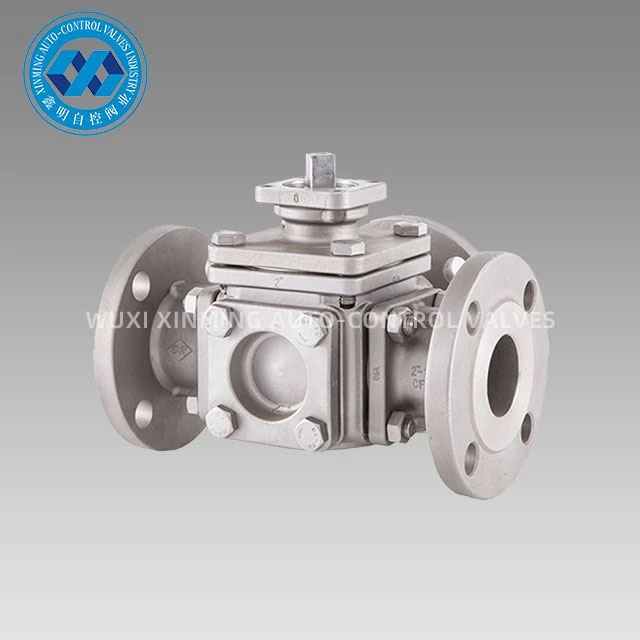
Three - way ball valves offer more flexibility in water treatment systems. They can be used to divert the flow of water between different pipes or to mix two different streams of water. For example, in a water treatment plant, a three - way ball valve can be used to direct water to different treatment processes or to blend treated and untreated water.
Pneumatic Actuator 3PC Thread Ball Valve
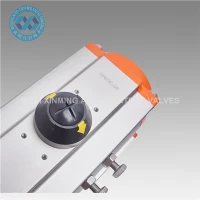
Pneumatic actuator 3PC thread ball valves are often used in automated water treatment systems. The pneumatic actuator allows for remote control of the valve, which is useful in large - scale water treatment plants where manual operation would be impractical. These valves are also known for their quick opening and closing times, which can improve the efficiency of the system.
3 Way Ball Valve
Similar to the three - way ball valve mentioned earlier, the 3 - way ball valve provides options for flow diversion and mixing. It is a versatile choice for various water treatment scenarios, especially those that require complex flow control.
Selecting the Right PVC Ball Valve
When selecting a PVC ball valve for your water treatment application, it's important to work with a reliable supplier. As a PVC ball valve supplier, I understand the unique requirements of water treatment projects. I can help you choose the right valve based on your specific needs, including chemical compatibility, pressure and temperature ratings, flow capacity, and sealing performance.
We offer a wide range of PVC ball valves, from basic two - way valves to more advanced three - way and pneumatically actuated valves. Our valves are made from high - quality PVC materials and are designed to meet the strict requirements of water treatment applications.

If you're in the market for PVC ball valves for your water treatment project, don't hesitate to get in touch. Whether you have questions about the technical specifications, need help with valve selection, or are ready to place an order, I'm here to assist you. We can work together to ensure that you get the best - suited PVC ball valves for your water treatment needs, which will contribute to the efficient and reliable operation of your system.