Ball valves are essential components in various industrial applications, providing reliable shut-off and flow control. The efficiency and effectiveness of a ball valve largely depend on its actuator, which is responsible for opening and closing the valve. As a leading ball valve supplier, we understand the importance of choosing the right actuator for your specific needs. In this blog post, we will explore the different types of ball valve actuators available in the market.
Manual Actuators
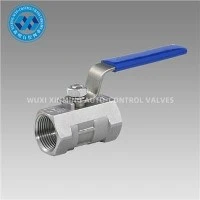
Manual actuators are the simplest and most cost - effective type of ball valve actuators. They are operated by hand, typically using a lever or a handwheel.

Lever Actuators
Lever actuators are commonly used for small - to medium - sized ball valves. They provide a quick 90 - degree turn to open or close the valve. The lever can be easily moved by an operator, making it ideal for applications where valves need to be adjusted frequently. For example, in a laboratory setting where small - scale fluid control is required, lever - actuated ball valves are a popular choice.
Handwheel Actuators
Handwheel actuators are suitable for larger ball valves or valves that require more torque to operate. By rotating the handwheel, the operator can gradually open or close the valve. Handwheel - actuated ball valves are often used in industrial processes where precise control is necessary, such as in chemical plants or water treatment facilities.
One of the advantages of manual actuators is their simplicity and low cost. They do not require any external power source, which makes them reliable in areas where power supply is unstable or unavailable. However, manual operation can be labor - intensive, especially for large valves or in applications where valves need to be operated frequently.
Pneumatic Actuators
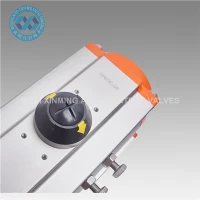
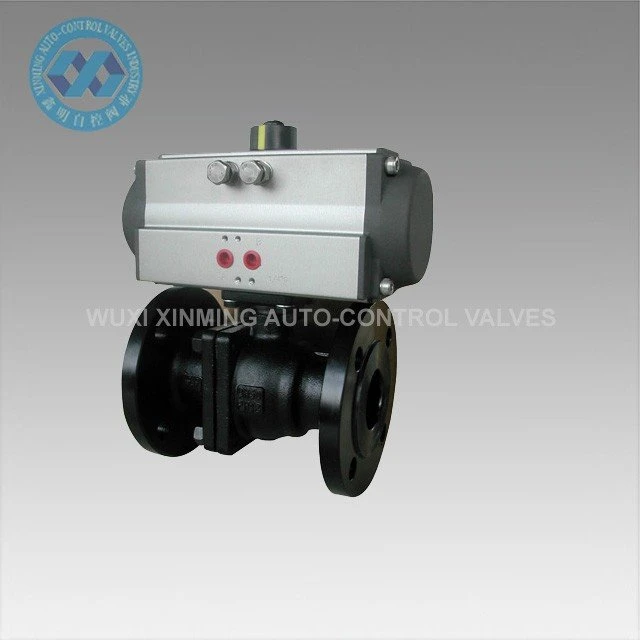
Pneumatic actuators use compressed air to operate the ball valve. They are widely used in industrial applications due to their high - speed operation, reliability, and ability to provide a large amount of torque.
Double - Acting Pneumatic Actuators
Double - acting pneumatic actuators use compressed air to both open and close the valve. When air is supplied to one side of the actuator, the valve opens, and when air is supplied to the other side, the valve closes. This type of actuator is suitable for applications where rapid and precise control of the valve position is required. For example, in a manufacturing plant where the flow of a liquid or gas needs to be adjusted quickly in response to a change in production conditions.
Spring - Return Pneumatic Actuators
Spring - return pneumatic actuators use compressed air to open the valve and a spring to close it. In the event of a loss of air pressure, the spring will automatically close the valve, providing a fail - safe function. This makes them ideal for applications where safety is a concern, such as in oil and gas pipelines.
Pneumatic actuators are relatively easy to install and maintain. They are also suitable for use in hazardous environments as they do not produce electrical sparks. However, they require a reliable source of compressed air, which can increase the overall cost of the system.
Electric Actuators
Electric actuators use an electric motor to operate the ball valve. They offer precise control and can be easily integrated into automated control systems.
Multi - Turn Electric Actuators
Multi - turn electric actuators are used for valves that require multiple turns to open or close, such as large - diameter ball valves. The electric motor drives a gearbox, which in turn rotates the valve stem. These actuators are capable of providing high torque and can be used in applications where precise positioning is required.
Quarter - Turn Electric Actuators
Quarter - turn electric actuators are designed for ball valves that require a 90 - degree turn to open or close. They are compact and can be used in a wide range of applications, from small - scale residential plumbing to large - scale industrial processes.
Electric actuators offer several advantages, including precise control, easy integration with automation systems, and the ability to operate in remote locations. However, they require a reliable electrical power source, and their initial cost is usually higher than that of pneumatic or manual actuators.
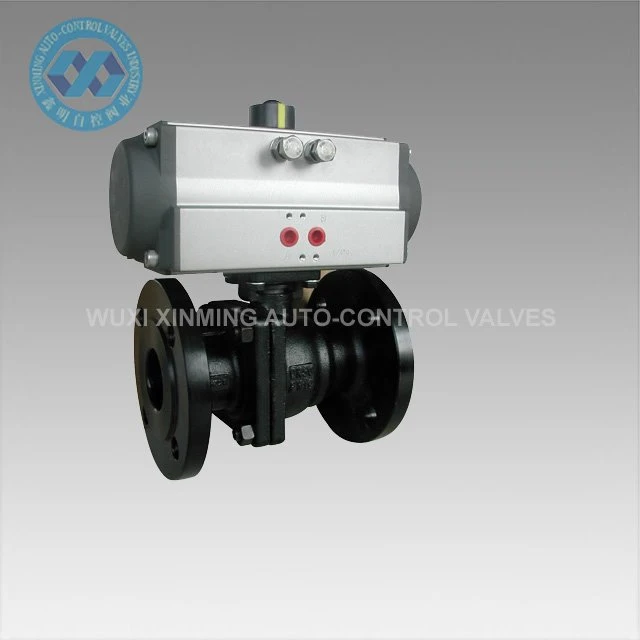
Hydraulic Actuators
Hydraulic actuators use hydraulic fluid to operate the ball valve. They are capable of providing very high torque, making them suitable for large - scale industrial applications.
Linear Hydraulic Actuators
Linear hydraulic actuators convert hydraulic pressure into linear motion to open or close the valve. They are often used in applications where a large force needs to be applied over a short distance, such as in heavy - duty industrial valves.
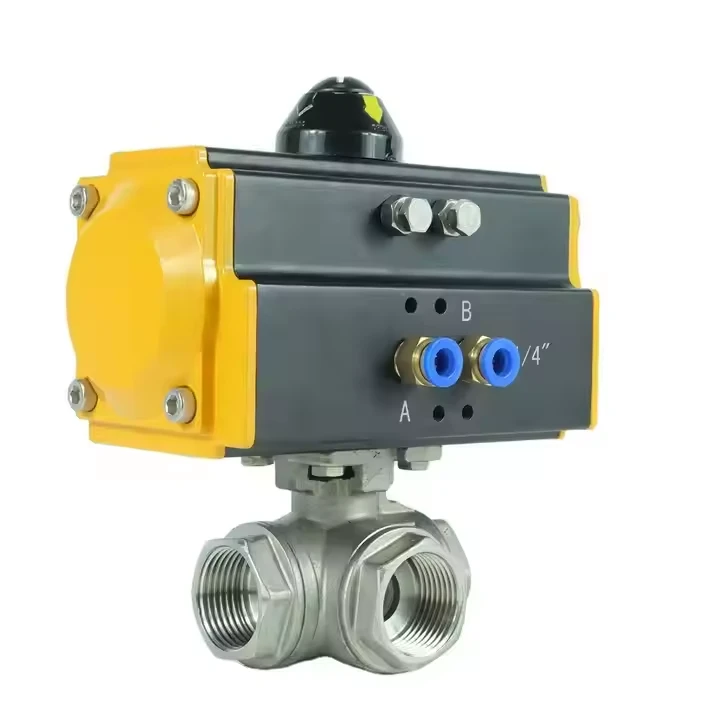
Rotary Hydraulic Actuators
Rotary hydraulic actuators convert hydraulic pressure into rotary motion. They are commonly used for ball valves that require a 90 - degree turn to open or close. Rotary hydraulic actuators can provide high torque and are suitable for applications where rapid operation is required.
Hydraulic actuators are known for their high - power output and reliability. However, they require a hydraulic power unit, which can be complex and expensive to install and maintain.
Choosing the Right Actuator
When choosing a ball valve actuator, several factors need to be considered.
Valve Size and Torque Requirements
The size of the ball valve and the torque required to operate it are important factors. Larger valves typically require actuators with higher torque output. For example, a large - diameter [WCB Ball Valve]((/ball-valve/wcb-ball-valve.html) may need a hydraulic or electric actuator to provide the necessary torque.
Operating Environment
The operating environment also plays a crucial role in actuator selection. In hazardous environments, such as those with explosive gases or chemicals, pneumatic or hydraulic actuators may be preferred as they do not produce electrical sparks. In areas with unstable power supply, manual or pneumatic actuators may be more suitable.
Control Requirements
The level of control required is another important consideration. If precise control of the valve position is needed, electric actuators may be the best choice. For applications where rapid on - off operation is required, pneumatic or hydraulic actuators may be more appropriate.
Cost
Cost is always a factor in any purchasing decision. Manual actuators are the most cost - effective option, followed by pneumatic actuators. Electric and hydraulic actuators are generally more expensive, but they offer additional features and capabilities.
As a ball valve supplier, we offer a wide range of ball valves, including [Economical Soft - seal Ball Valve]((/ball-valve/economical-soft-seal-ball-valve.html) and [Double Sleeve Polyvinyl Chloride Ball Valve]((/ball-valve/double-sleeve-polyvinyl-chloride-ball-valve.html), along with various types of actuators to meet your specific needs. Whether you are looking for a simple manual actuator for a small - scale application or a high - performance electric actuator for a large - scale industrial process, we have the solution for you.
If you are interested in our ball valves and actuators, we invite you to contact us for further discussion. Our team of experts is ready to assist you in choosing the right products for your application and providing you with a competitive quote.
References
- "Valve Handbook", by Tom G. Shouse.
- "Industrial Valves: Selection and Sizing", by M. K. Razdan.
- Various technical documents from leading valve manufacturers.