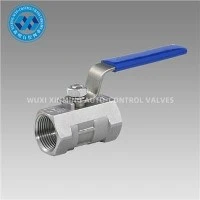
Hey there! As a flange ball valve supplier, I've been getting a lot of questions lately about how to improve the corrosion resistance of these valves. Corrosion can be a real headache, leading to leaks, reduced performance, and even costly replacements. But don't worry, I'm here to share some insights on the coating materials that can help keep your flange ball valves in top shape.
Why Coating Matters
Before we dive into the specific coating materials, let's talk about why coating is so important for flange ball valves. Flange ball valves are often used in harsh environments where they're exposed to corrosive substances like chemicals, saltwater, and acids. Over time, these substances can eat away at the valve's surface, causing damage and reducing its lifespan.
A good coating acts as a protective barrier between the valve and the corrosive environment. It prevents the corrosive substances from coming into direct contact with the valve material, thus extending the valve's life and ensuring its reliable performance.
Types of Coating Materials
Epoxy Coatings
Epoxy coatings are one of the most popular choices for improving the corrosion resistance of flange ball valves. They're known for their excellent adhesion, chemical resistance, and durability. Epoxy coatings can be applied in different thicknesses depending on the specific requirements of the application.
One of the great things about epoxy coatings is that they can be customized to provide different levels of protection. For example, some epoxy coatings are formulated to resist specific chemicals, while others are designed to withstand high temperatures.
Epoxy coatings are also relatively easy to apply. They can be sprayed, brushed, or dipped onto the valve surface. Once applied, they cure to form a hard, protective layer that can withstand a lot of wear and tear.
Polyurethane Coatings
Polyurethane coatings are another excellent option for flange ball valves. They offer high abrasion resistance, flexibility, and good chemical resistance. Polyurethane coatings are often used in applications where the valve is exposed to mechanical stress as well as corrosion.
One of the advantages of polyurethane coatings is their ability to maintain their flexibility even at low temperatures. This makes them suitable for use in cold environments where other coatings might become brittle and crack.
Polyurethane coatings can be applied in a similar way to epoxy coatings. They can be sprayed or brushed onto the valve surface, and they typically dry quickly to form a tough, protective film.
Ceramic Coatings
Ceramic coatings are a bit more high-tech than epoxy and polyurethane coatings. They offer exceptional hardness, wear resistance, and chemical resistance. Ceramic coatings are often used in applications where the valve is exposed to extreme conditions, such as high temperatures, high pressures, and abrasive substances.
Ceramic Ball Valve is a great example of a valve that benefits from ceramic coatings. The ceramic coating on these valves provides a smooth, hard surface that resists wear and corrosion, ensuring long-lasting performance.
Applying ceramic coatings requires specialized equipment and techniques. The coating is usually applied using a thermal spray process, which involves heating the ceramic material to a high temperature and then spraying it onto the valve surface. This creates a dense, uniform coating that adheres tightly to the valve.
PTFE Coatings
PTFE (Polytetrafluoroethylene) coatings are well-known for their non-stick properties and excellent chemical resistance. PTFE coatings are often used in applications where the valve needs to be resistant to a wide range of chemicals, including acids, bases, and solvents.
One of the advantages of PTFE coatings is their low friction coefficient. This means that the valve can operate more smoothly, reducing wear and tear on the internal components. PTFE coatings are also resistant to high temperatures, making them suitable for use in high-temperature applications.
PTFE coatings can be applied using a variety of methods, including spraying, dipping, and powder coating. The coating forms a smooth, slippery surface that provides excellent protection against corrosion.
Factors to Consider When Choosing a Coating
When choosing a coating material for your flange ball valve, there are several factors to consider:
- Environment: The first thing to consider is the environment in which the valve will be used. If the valve will be exposed to chemicals, you'll need a coating that's resistant to those specific chemicals. If it will be used in a high-temperature environment, you'll need a coating that can withstand high temperatures.
- Operating Conditions: The operating conditions of the valve, such as pressure, flow rate, and frequency of operation, also play a role in choosing the right coating. For example, if the valve will be subjected to high pressures or frequent opening and closing, you'll need a coating that's durable and resistant to abrasion.
- Cost: Cost is always a factor when choosing a coating material. Some coatings are more expensive than others, so you'll need to balance the cost of the coating with the level of protection it provides.
How Our Company Can Help
As a flange ball valve supplier, we have a lot of experience working with different coating materials. We can help you choose the right coating for your specific application based on your requirements and budget.
We offer a wide range of flange ball valves, including Pneumatic Actuated Three-Way Stainless Steel Ball Valve and Metal-to-metal Ball Valve. All of our valves can be coated with the appropriate coating material to ensure maximum corrosion resistance.


If you're interested in learning more about our flange ball valves and the coating options we offer, please don't hesitate to contact us. We'd be happy to discuss your needs and provide you with a quote.
Conclusion
Improving the corrosion resistance of flange ball valves is essential for ensuring their long-term performance and reliability. By choosing the right coating material, you can protect your valves from the damaging effects of corrosion and extend their lifespan.
Whether you're looking for an epoxy coating, a polyurethane coating, a ceramic coating, or a PTFE coating, we have the expertise and the products to meet your needs. So, if you're in the market for a high-quality flange ball valve with excellent corrosion resistance, give us a call or send us an email. We're here to help you find the perfect solution for your application.
References
- Smith, J. (2020). Corrosion Prevention in Industrial Valves. Industrial Valve Journal, 15(2), 34-42.
- Johnson, M. (2019). Coating Technologies for Valve Protection. Valve Technology Review, 22(3), 56-63.
- Brown, R. (2018). The Role of Coatings in Extending Valve Lifespan. Corrosion Science and Engineering, 10(4), 78-85.