When it comes to selecting a PVC ball valve, there are numerous factors that need to be carefully considered. As a PVC ball valve supplier, I understand the importance of making the right choice for various applications. In this blog, I will delve into the key factors that should guide your decision-making process.
1. Application Requirements
The first and most crucial factor is the specific application for which the PVC ball valve will be used. Different applications have different demands in terms of pressure, temperature, and the type of fluid being handled.
Pressure Rating
The pressure rating of a PVC ball valve indicates the maximum pressure it can withstand without failure. It is essential to choose a valve with a pressure rating that exceeds the maximum pressure expected in your system. For example, in a high-pressure water supply system, a valve with a higher pressure rating will be required to ensure safety and reliability.
Temperature Range
PVC ball valves have a limited temperature range within which they can operate effectively. Extreme temperatures can cause the PVC material to become brittle or lose its shape, leading to leaks or valve failure. Therefore, it is important to select a valve that can withstand the temperature conditions of your application. For instance, in a hot water system, a valve designed for high-temperature applications should be chosen.
Fluid Compatibility
The type of fluid being handled is another critical consideration. PVC is compatible with a wide range of fluids, including water, chemicals, and some acids. However, certain chemicals may react with PVC, causing corrosion or degradation. It is important to check the chemical compatibility of the valve with the fluid it will be handling. For example, if you are using the valve in a chemical processing plant, you need to ensure that the valve is resistant to the specific chemicals involved.
2. Valve Size
The size of the PVC ball valve is determined by the pipe diameter in your system. It is important to choose a valve that has the same nominal size as the pipe to ensure proper flow and prevent pressure drops. A valve that is too small may restrict the flow, while a valve that is too large may not provide a tight seal.
3. Valve Design
The design of the PVC ball valve can also affect its performance and suitability for your application. There are several types of valve designs available, including full port and standard port valves.
Full Port Valves
Full port valves have a larger ball and opening, which allows for a higher flow rate. They are ideal for applications where a high flow rate is required, such as in large water supply systems or industrial processes.
Standard Port Valves
Standard port valves have a smaller ball and opening, which results in a lower flow rate. They are suitable for applications where a lower flow rate is acceptable, such as in residential plumbing systems.
4. End Connections
The end connections of the PVC ball valve are important for ensuring a proper and secure connection to the pipes. There are several types of end connections available, including threaded, solvent-welded, and flanged connections.
Threaded Connections
Threaded connections are the most common type of end connection for PVC ball valves. They are easy to install and can be used with a variety of pipe materials. However, they may require the use of thread sealant to prevent leaks.
Solvent-Welded Connections
Solvent-welded connections provide a strong and permanent bond between the valve and the pipe. They are commonly used in PVC plumbing systems. However, they require special tools and skills for installation.
Flanged Connections
Flanged connections are used for larger valves and in applications where a high-pressure seal is required. They provide a secure and leak-free connection. However, they are more expensive and require more space for installation.
5. Actuation Method
The actuation method of the PVC ball valve determines how the valve is opened and closed. There are several types of actuation methods available, including manual, pneumatic, and electric actuation.
Manual Actuation
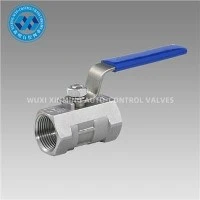
Manual actuation is the simplest and most common method of operating a PVC ball valve. It involves using a lever or a handle to open and close the valve. Manual valves are suitable for applications where the valve needs to be operated infrequently.


Pneumatic Actuation
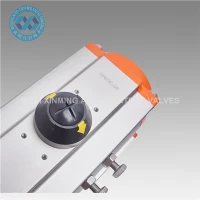
Pneumatic actuation uses compressed air to open and close the valve. It is suitable for applications where remote operation or automated control is required. Pneumatic valves are commonly used in industrial processes and large-scale water supply systems.
Electric Actuation
Electric actuation uses an electric motor to open and close the valve. It is suitable for applications where precise control and automation are required. Electric valves are commonly used in industrial processes and building automation systems.
6. Quality and Reliability
The quality and reliability of the PVC ball valve are crucial for ensuring long-term performance and safety. When selecting a valve, it is important to choose a reputable supplier that offers high-quality products. Look for valves that are made from high-grade PVC material and have been tested to meet industry standards.
7. Cost
Cost is always an important consideration when selecting a PVC ball valve. However, it is important to balance cost with quality and performance. A cheaper valve may save you money in the short term, but it may not provide the same level of reliability and durability as a more expensive valve.
8. Maintenance and Service
Regular maintenance and service are essential for ensuring the proper functioning of the PVC ball valve. When selecting a valve, it is important to choose a supplier that offers good after-sales service and support. Look for valves that are easy to maintain and repair, and that come with a warranty.
In conclusion, selecting the right PVC ball valve requires careful consideration of several factors, including application requirements, valve size, design, end connections, actuation method, quality and reliability, cost, and maintenance and service. As a PVC ball valve supplier, I can help you choose the right valve for your specific application.