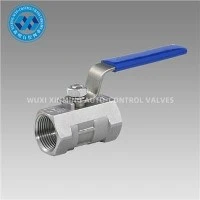
As a trusted ball valve supplier, I've witnessed firsthand the critical role these components play in various industries. Ball valves are ubiquitous, found in everything from water treatment plants to high - pressure oil and gas pipelines. One of the most common challenges faced by users of ball valves is wear and tear, which can lead to reduced performance, leakage, and ultimately, system failure. In this blog, I'll delve into the anti - wear treatments for ball valves, exploring the various methods available and their benefits.
Understanding Wear in Ball Valves
Before we discuss anti - wear treatments, it's essential to understand the types of wear that ball valves can experience. There are primarily three types of wear: abrasive wear, adhesive wear, and erosive wear.
Abrasive wear occurs when hard particles come into contact with the valve surfaces. These particles can be dirt, sand, or other debris present in the fluid flowing through the valve. Over time, the particles grind against the valve components, causing material removal and surface damage.
Adhesive wear happens when two surfaces in contact with each other stick together and then separate, leading to the transfer of material from one surface to another. This can occur due to high - pressure and high - temperature conditions, which can cause the valve surfaces to fuse temporarily.
Erosive wear is caused by the impact of high - velocity fluid or particles on the valve surfaces. This is particularly common in applications where the fluid contains solid particles or where the fluid velocity is very high, such as in pipelines carrying slurries or in high - pressure steam systems.
Anti - Wear Treatments for Ball Valves
Hardfacing
Hardfacing is a popular anti - wear treatment for ball valves. It involves applying a hard, wear - resistant material to the valve surfaces, typically through welding or thermal spraying. Common hardfacing materials include tungsten carbide, chromium carbide, and stellite.
Tungsten carbide is known for its excellent hardness and wear resistance. It can withstand high - pressure and high - temperature conditions, making it suitable for applications in the oil and gas, mining, and power generation industries. Chromium carbide also offers high hardness and good corrosion resistance, making it a good choice for applications where the fluid is corrosive. Stellite is a cobalt - based alloy that has excellent wear, corrosion, and heat resistance, and it is often used in high - performance ball valves.
The advantage of hardfacing is that it can significantly increase the service life of the ball valve. By providing a hard, wear - resistant surface, hardfacing can reduce the rate of wear and tear, minimizing the need for frequent valve replacements. However, hardfacing can be expensive, and the process requires specialized equipment and skilled operators.
Coating
Coating is another effective anti - wear treatment for ball valves. There are several types of coatings available, including ceramic coatings, polymer coatings, and diamond - like carbon (DLC) coatings.
Ceramic coatings are known for their high hardness, wear resistance, and chemical inertness. They can provide excellent protection against abrasive and erosive wear. Polymer coatings, on the other hand, offer good corrosion resistance and low friction. They can be used to reduce the operating torque of the ball valve and prevent sticking. DLC coatings are a relatively new type of coating that combines the hardness of diamond with the low friction of graphite. They can provide superior wear resistance and reduce friction, making them ideal for high - performance applications.
Coating has several advantages. It is a relatively cost - effective anti - wear treatment, and it can be applied to a variety of valve materials. Coating can also improve the surface finish of the valve, reducing friction and wear. However, the durability of the coating can be affected by factors such as the quality of the coating process, the operating conditions, and the type of fluid flowing through the valve.
Heat Treatment
Heat treatment is a process that involves heating and cooling the valve material to alter its microstructure and properties. By carefully controlling the heating and cooling rates, heat treatment can improve the hardness, strength, and wear resistance of the valve.
One common heat treatment method for ball valves is quenching and tempering. Quenching involves rapidly cooling the valve material from a high temperature to room temperature, which creates a hard, martensitic structure. Tempering is then performed to relieve the internal stresses and improve the toughness of the material.
Another heat treatment method is nitriding. Nitriding involves introducing nitrogen into the surface of the valve material, which forms a hard, wear - resistant nitride layer. Nitriding can improve the surface hardness and wear resistance of the valve without significantly affecting its core properties.
Heat treatment is a cost - effective way to improve the wear resistance of ball valves. It can be applied to a variety of valve materials, and it can be performed in - house or by a specialized heat treatment provider. However, heat treatment can also cause distortion of the valve components, which may require additional machining or finishing operations.
Choosing the Right Anti - Wear Treatment
When choosing an anti - wear treatment for a ball valve, several factors need to be considered. These include the type of wear the valve is likely to experience, the operating conditions (such as temperature, pressure, and fluid type), the cost of the treatment, and the availability of the treatment process.
For example, if the valve is likely to experience abrasive wear, hardfacing or ceramic coating may be the best choice. If the valve is operating in a corrosive environment, a coating with good corrosion resistance, such as a polymer coating or a chromium - based hardfacing, may be more suitable.
In high - pressure and high - temperature applications, heat treatment or a hardfacing material with high heat resistance, such as stellite, may be required. It's also important to consider the cost - effectiveness of the treatment. While some treatments may offer superior wear resistance, they may also be more expensive. Therefore, a balance needs to be struck between the performance requirements and the cost.
Conclusion
Anti - wear treatments are essential for extending the service life of ball valves and ensuring their reliable operation. By understanding the types of wear that ball valves can experience and the various anti - wear treatments available, users can make informed decisions about which treatment is best suited for their specific application.
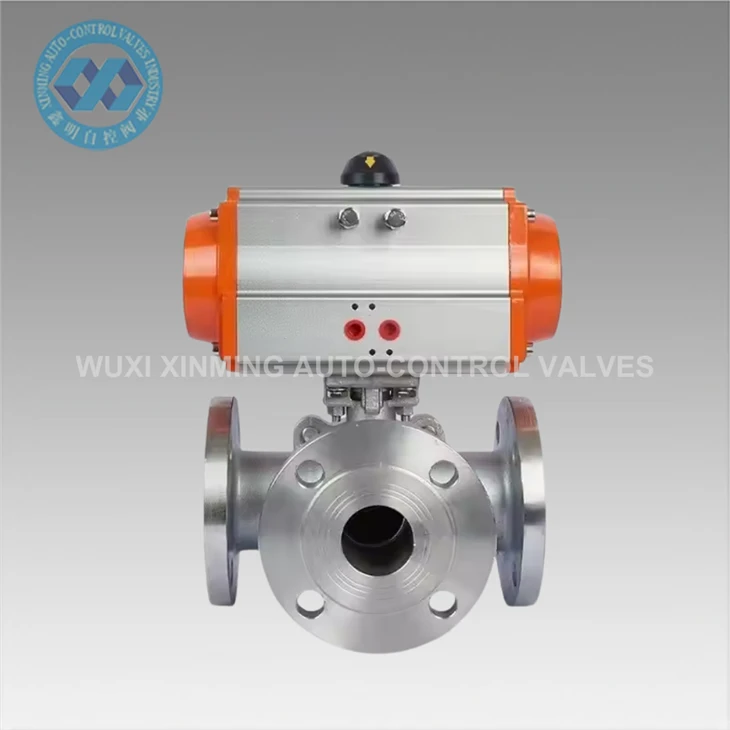
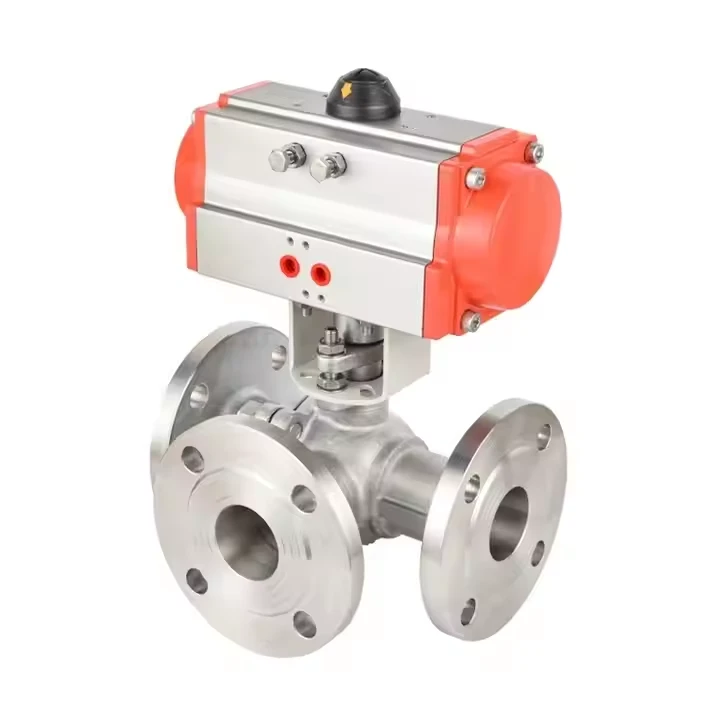
As a ball valve supplier, we offer a wide range of ball valves, including Double Union Ball Valve, Three - Way Ball Valve Design For High - Pressure Systems, and 3 Way Ball Valve. Our valves can be customized with the appropriate anti - wear treatments to meet the specific needs of your application.
If you're interested in learning more about our ball valves or need assistance in choosing the right anti - wear treatment for your valve, please don't hesitate to contact us. We're here to help you find the best solution for your valve requirements and ensure the long - term performance of your systems.
References
- ASME B16.34 - Valves - Flanged, Threaded, and Welding End
- API 6D - Pipeline Valves - Specification for Pipeline Valves
- ASTM A216/A216M - Standard Specification for Steel Castings, Carbon, Suitable for Fusion Welding, for High - Temperature Service
- ASTM A351/A351M - Standard Specification for Steel Castings, Austenitic, for Pressure - Containing Parts