Hey there! As a supplier of thin ball valves, I often get asked about the differences between thin ball valves and regular ball valves. In this blog post, I'll break down these differences to help you understand which type of valve might be the best fit for your needs.
1. Physical Structure
Let's start with the most obvious difference - the physical structure. Regular ball valves are the ones you're probably more familiar with. They have a standard design where the valve body is relatively thick. This thickness gives them a robust and chunky appearance. The ball inside the valve, which is the key component for controlling the flow, is housed within this thick - walled body.
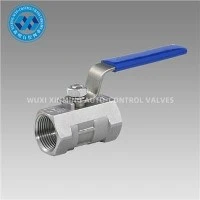
On the other hand, thin ball valves are, well, thin! Their valve bodies are significantly thinner compared to regular ball valves. This is achieved through advanced manufacturing techniques that allow for a more streamlined design. The thin body doesn't mean they're weaker, though. They're engineered to maintain the necessary strength while reducing overall size and weight.
2. Space and Installation
When it comes to space requirements, thin ball valves have a clear advantage. Because of their slim design, they take up much less space in a piping system. This is especially crucial in applications where space is limited, like in some industrial machinery or compact plumbing setups. You can install more thin ball valves in a given area compared to regular ball valves without overcrowding the pipes.


Installation of thin ball valves is also often easier. Their lighter weight makes them more manageable during the installation process. You don't need as much heavy - duty equipment to lift and position them. In contrast, regular ball valves, due to their bulkier nature, might require more complex installation procedures and additional support structures to ensure they're properly secured.
3. Flow Characteristics
The flow characteristics of these two types of valves can vary. Regular ball valves usually have a larger internal diameter for the ball and the flow path. This allows for a higher flow rate, which is great for applications where a large volume of fluid needs to be transferred quickly, such as in some large - scale industrial processes or high - capacity water supply systems.
Thin ball valves, while they can still provide a good flow rate, might have a slightly smaller internal diameter due to their thinner body design. However, they're designed to minimize flow restrictions as much as possible. They're often used in applications where a moderate flow rate is sufficient, and the focus is more on space - saving and precise control.
4. Cost
Cost is always an important factor in any purchasing decision. Generally, thin ball valves tend to be more cost - effective. The materials used in their production are less, thanks to the thinner body. Also, the manufacturing process for thin ball valves can sometimes be more efficient, leading to lower production costs. These savings are often passed on to the customers.
Regular ball valves, with their larger size and more material usage, can be more expensive. The additional cost might be justified in applications where their high - flow capabilities and robust construction are essential.
5. Applications
Regular ball valves are commonly used in heavy - duty industrial applications. For example, in the oil and gas industry, they're used to control the flow of crude oil, natural gas, and other petroleum products. Their ability to handle high pressures and large flow rates makes them suitable for these demanding environments. You can also find them in large - scale water treatment plants, where they regulate the flow of water and chemicals.
Thin ball valves, on the other hand, are popular in a variety of applications where space and cost are important considerations. In the automotive industry, they're used in some engine cooling systems and hydraulic circuits. In the food and beverage industry, their compact design makes them ideal for controlling the flow of liquids in processing equipment.
If you're interested in exploring more valve options, check out our Segment Control Valve With Pneumatic Actuator, High Quality Three - way Pneumatic Ball Valve, and Stainless Steel Ball Valve.
6. Durability and Maintenance
Both thin ball valves and regular ball valves are designed to be durable, but their durability can be affected by different factors. Regular ball valves, with their thick bodies, are often more resistant to external impacts and rough handling. They can withstand harsh environmental conditions better in some cases. However, their larger size can also mean more parts that could potentially fail or require maintenance.
Thin ball valves, although they have a thinner body, are made from high - quality materials that ensure they can last a long time. Their simpler design often means there are fewer components that could malfunction. Maintenance is usually easier and less time - consuming. You can quickly access the internal parts for inspection and repair if needed.
Conclusion
So, to sum it up, the main differences between thin ball valves and regular ball valves lie in their physical structure, space requirements, flow characteristics, cost, applications, and maintenance. If you're working on a project with limited space, a moderate flow requirement, and a tight budget, thin ball valves are likely the way to go. On the other hand, if you need a high - flow rate and a valve that can withstand heavy - duty use, regular ball valves might be more suitable.
If you're in the market for ball valves and want to discuss which type is best for your specific application, feel free to reach out. We're here to help you make the right choice and ensure you get a valve that meets your needs perfectly.
References
- Valve Handbook, Various Industry Publications
- Technical Documentation from Valve Manufacturers