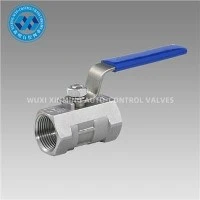
Troubleshooting a malfunctioning flange ball valve is a crucial skill for anyone working with fluid control systems. As a trusted flange ball valve supplier, we understand the importance of ensuring that your valves operate smoothly and efficiently. In this blog post, we will guide you through the process of diagnosing and resolving common issues with flange ball valves.
Understanding Flange Ball Valves
Before we dive into troubleshooting, let's briefly review how flange ball valves work. A flange ball valve is a type of quarter - turn valve that uses a spherical disc (the ball) to control the flow of fluid through a pipe. The ball has a hole (bore) through it, and when the valve is open, the bore aligns with the pipe, allowing fluid to pass. When the valve is closed, the ball is rotated 90 degrees, blocking the flow.
Flange ball valves are known for their durability, reliability, and tight shut - off capabilities. They are commonly used in a wide range of industries, including oil and gas, chemical processing, water treatment, and food and beverage.


Common Malfunctions and Their Causes
1. Leakage
Leakage is one of the most common problems with flange ball valves. It can occur at the valve body, the stem, or the flange connections.
- Valve Body Leakage: This can be caused by a cracked valve body, which may result from excessive pressure, improper installation, or corrosion.
- Stem Leakage: Stem leakage often occurs due to worn packing material. Over time, the packing can dry out, shrink, or become damaged, allowing fluid to escape around the stem.
- Flange Connection Leakage: Loose or unevenly tightened bolts, damaged gaskets, or misaligned flanges can lead to leakage at the flange connections.
2. Difficulty in Operation
If you find it hard to turn the valve handle, there could be several reasons.
- Internal Blockage: Debris, such as dirt, scale, or rust, can accumulate inside the valve, preventing the ball from rotating freely.
- Worn or Damaged Components: The ball, seats, or stem may be worn or damaged, causing friction and making it difficult to operate the valve.
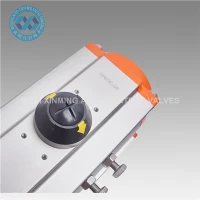
- Actuator Issues: If the valve is equipped with a Pneumatic Actuator Jacketed Flange Ball Vavle, problems with the actuator, such as low air pressure or a malfunctioning solenoid valve, can lead to difficulty in operation.
3. Incomplete Shut - Off
An incomplete shut - off means that the valve fails to stop the flow of fluid completely when it is closed.
- Damaged Seats: The seats of the valve can be damaged by erosion, corrosion, or the presence of foreign particles, preventing a tight seal.
- Misaligned Ball: If the ball is not properly aligned with the seats, fluid can bypass the valve even when it is in the closed position.
Troubleshooting Steps
Step 1: Visual Inspection
- Check the Valve Body: Look for signs of cracks, corrosion, or damage on the valve body. If you notice any cracks, the valve may need to be replaced.
- Inspect the Flange Connections: Check the bolts to ensure they are tightened evenly. Look for signs of gasket damage or misalignment. If the gaskets are damaged, they should be replaced.
- Examine the Stem and Packing: Check for signs of leakage around the stem. If the packing is worn or damaged, it may need to be repacked or replaced.
Step 2: Check for Blockages
- Isolate the Valve: Before attempting to clean the valve, make sure to isolate it from the system by closing the upstream and downstream valves.
- Remove the Valve: If possible, remove the valve from the pipeline. This will allow you to access the internal components more easily.
- Clean the Internal Components: Use a suitable cleaning agent to remove any debris or scale from the ball, seats, and bore of the valve. You can use a soft brush or a cloth to clean the components gently.
Step 3: Test the Actuator (if applicable)
- Check the Air Supply: If the valve is equipped with a pneumatic actuator, ensure that the air supply is at the correct pressure. Check for any leaks in the air lines.
- Test the Solenoid Valve: If the actuator has a solenoid valve, test it to make sure it is functioning properly. You can use a multimeter to check for electrical continuity.
Step 4: Inspect the Seats and Ball
- Check for Damage: Examine the seats and ball for signs of wear, erosion, or damage. If the seats are damaged, they may need to be resurfaced or replaced.
- Verify Alignment: Make sure the ball is properly aligned with the seats. If the ball is misaligned, it may need to be adjusted or realigned.
Step 5: Reassemble and Test the Valve
- Reassemble the Valve: After cleaning and inspecting all the components, reassemble the valve carefully. Make sure to use new gaskets and packing material if necessary.
- Tighten the Bolts: Tighten the flange bolts evenly to the recommended torque value.
- Test the Valve: Once the valve is reassembled, test it to make sure it is operating correctly. Open and close the valve several times to check for smooth operation and proper shut - off.
Preventive Maintenance
To minimize the occurrence of malfunctions, regular preventive maintenance is essential.
- Regular Inspections: Conduct visual inspections of the valves at regular intervals to detect any signs of damage or wear early.
- Lubrication: If the valve has moving parts, lubricate them regularly to ensure smooth operation.
- Cleaning: Keep the valves clean by flushing the system periodically to remove any debris or scale.
Conclusion
Troubleshooting a malfunctioning flange ball valve requires a systematic approach. By following the steps outlined in this blog post, you can diagnose and resolve common issues with flange ball valves effectively. As a flange ball valve supplier, we offer a wide range of high - quality valves, including Pneumatic 3PC Stainless Steel Ball Valve and Sanitary Ball Valve. If you have any questions or need further assistance with your flange ball valves, please do not hesitate to contact us for procurement and in - depth discussions. Our team of experts is always ready to provide you with the best solutions for your fluid control needs.
References
- Crane Co., "Valve Handbook", 4th Edition
- Cameron International Corporation, "Ball Valve Technical Manual"