In the realm of industrial operations, every component plays a crucial role in ensuring efficiency, reliability, and cost - effectiveness. One such component that often goes unnoticed but is of paramount importance is the air filter regulator. As a supplier of air filter regulators, I have witnessed firsthand the significant economic benefits that these devices bring to various industries. In this blog post, I will delve into the economic advantages of using an air filter regulator and how it can positively impact your bottom line.
1. Energy Savings
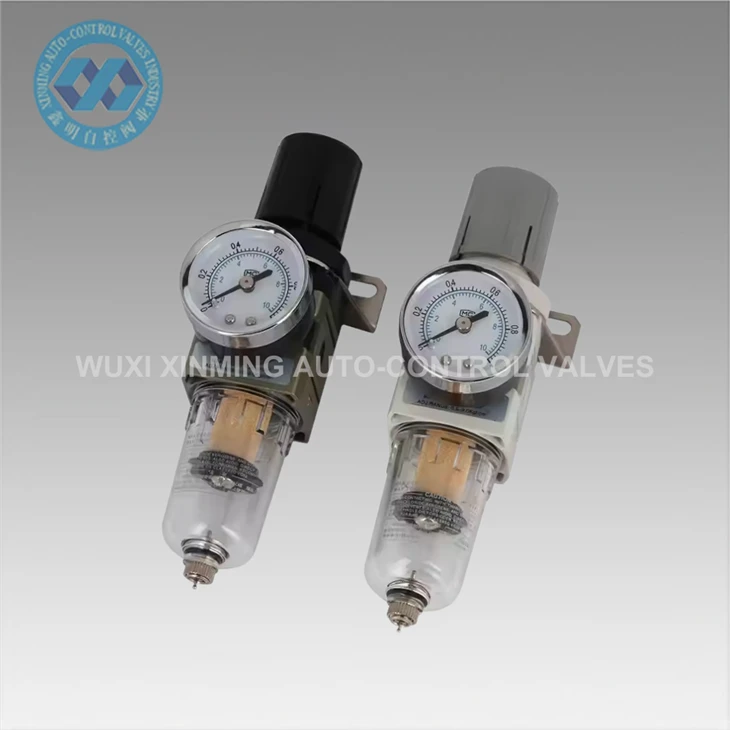
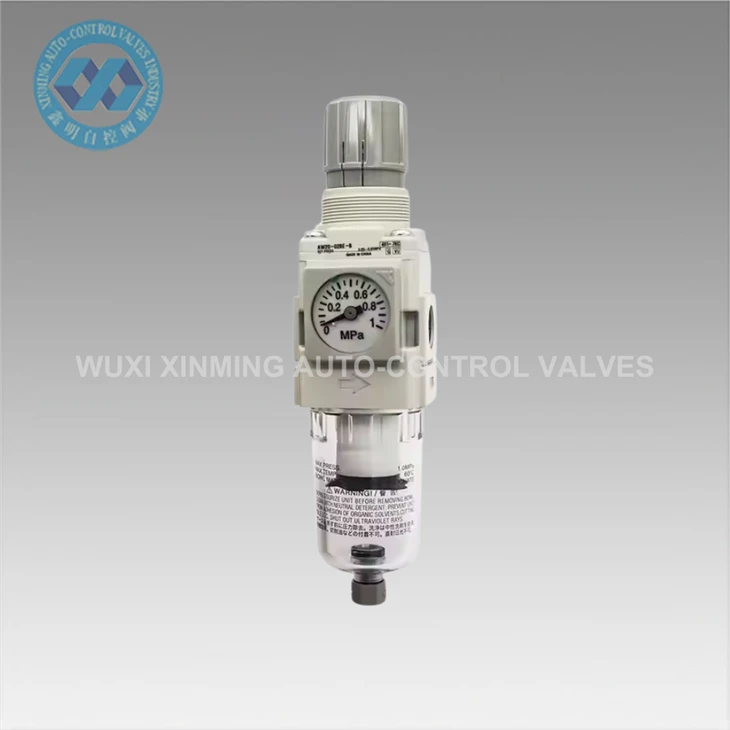
One of the most significant economic benefits of using an air filter regulator is energy savings. Compressed air is widely used in industrial processes, but it can be an expensive utility if not managed properly. An air filter regulator helps optimize the use of compressed air by precisely controlling the pressure.
When the air pressure is too high, it can lead to excessive energy consumption. Compressors have to work harder to maintain the high pressure, which not only increases energy costs but also wears out the equipment faster. On the other hand, if the pressure is too low, it can result in inefficient operation of pneumatic tools and machinery.
An air filter regulator ensures that the air pressure is maintained at the optimal level for each specific application. By reducing the pressure to the required amount, it minimizes the energy needed to produce and distribute compressed air. This leads to substantial savings on energy bills over time. For example, in a large manufacturing plant, even a small reduction in air pressure can translate into thousands of dollars in annual energy savings.
2. Equipment Protection
Another key economic benefit of using an air filter regulator is equipment protection. Compressed air often contains contaminants such as dust, dirt, oil, and moisture. These contaminants can cause significant damage to pneumatic tools, valves, cylinders, and other components in the air system.
The filter part of the air filter regulator removes these contaminants from the compressed air, preventing them from entering the downstream equipment. This helps extend the lifespan of the equipment by reducing wear and tear, corrosion, and clogging. For instance, in a food processing plant, the presence of contaminants in the compressed air can lead to product contamination and damage to sensitive machinery. By using an air filter regulator, the risk of such issues is greatly reduced.
Replacing damaged equipment can be extremely costly, both in terms of the purchase price of the new equipment and the downtime associated with installation. Moreover, unexpected equipment failures can disrupt production schedules, leading to lost revenue. By protecting the equipment, an air filter regulator helps avoid these costly scenarios and ensures smooth and continuous operation.
3. Improved Product Quality
In many industries, the quality of the final product is directly related to the quality of the compressed air used in the manufacturing process. For example, in the automotive industry, the painting process requires clean and dry compressed air to ensure a smooth and defect - free finish. In the electronics industry, even the slightest contamination in the compressed air can damage sensitive electronic components.
An air filter regulator provides clean and regulated compressed air, which is essential for maintaining high product quality. By removing contaminants and controlling the pressure, it helps eliminate defects and inconsistencies in the manufacturing process. This leads to fewer rejected products, reduced rework, and higher customer satisfaction.
Higher product quality can also give a company a competitive edge in the market, allowing it to command higher prices for its products. In the long run, this can result in increased revenue and profitability.
4. Reduced Maintenance Costs
As mentioned earlier, an air filter regulator helps protect the equipment from damage caused by contaminants. This, in turn, reduces the need for frequent maintenance and repairs. Pneumatic equipment that is exposed to dirty and unregulated compressed air is more likely to experience breakdowns, which require costly maintenance and replacement of parts.
With an air filter regulator in place, the equipment operates under more favorable conditions, reducing the frequency of maintenance tasks. This not only saves on the cost of spare parts and labor but also reduces the downtime associated with maintenance. For example, in a packaging plant, a pneumatic conveyor system that is protected by an air filter regulator will require less frequent lubrication, cleaning, and adjustment, resulting in significant cost savings over time.
5. Multi - Scenario Adaptability
Our air filter regulators, such as the No Worries in Harsh Conditions! Multi - scenario Adaptive Filter Pressure Reducing Valve, are designed to perform in a wide range of environments and applications. Whether it's a dusty factory floor, a humid coastal area, or a high - temperature industrial setting, our regulators can adapt to the conditions and provide reliable performance.
This multi - scenario adaptability means that you don't have to invest in different types of air - handling equipment for different situations. You can use a single, versatile air filter regulator across your entire operation, which simplifies your procurement process and reduces costs associated with inventory management.
6. Intelligent Control for Efficiency
We also offer the Intelligent Air Source Filter Pressure Reducing Valve, which comes with advanced features for intelligent control. These valves can monitor the air pressure and adjust it automatically based on the real - time requirements of the system.
This intelligent control not only ensures optimal performance but also further enhances energy savings. For example, during periods of low demand, the valve can reduce the air pressure to a minimum, conserving energy without sacrificing the functionality of the equipment. This level of precision control is difficult to achieve with traditional air - handling equipment, making our intelligent air filter regulators a cost - effective solution in the long run.
7. Long - Life and Durability
Our Precise Pressure Control + Long Life! Air Source Filter Reducing Valve For Industrial Use is built to last. It is made from high - quality materials and undergoes rigorous testing to ensure its durability and reliability. A long - lasting air filter regulator means that you won't have to replace it frequently, which saves on the cost of new equipment and installation.
In addition, the long - life of the regulator also means that you can rely on it for continuous operation without the worry of unexpected breakdowns. This is especially important in industries where downtime can be extremely costly, such as the oil and gas industry or the power generation sector.
Conclusion
In conclusion, the economic benefits of using an air filter regulator are numerous and significant. From energy savings and equipment protection to improved product quality and reduced maintenance costs, these devices can have a profound impact on your company's bottom line. As a supplier of air filter regulators, we are committed to providing high - quality products that offer these economic advantages.
If you are interested in learning more about how our air filter regulators can benefit your business, or if you would like to discuss a potential procurement, please feel free to contact us. We are here to help you make the most cost - effective decisions for your industrial air - handling needs.
References
- ASHRAE Handbook of HVAC Systems and Equipment.
- Compressed Air and Gas Institute (CAGI) publications on air quality and system efficiency.
- Industrial Pneumatics: Design, Maintenance, and Troubleshooting by John H. Watkins.