Hey there! As a supplier of welded ball valves, I've been getting a lot of questions lately about how particle-containing fluids affect these valves. So, I thought I'd take a deep dive into this topic and share my insights with you all.
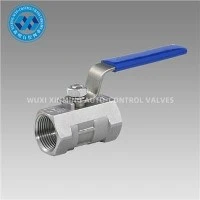
First off, let's talk about what welded ball valves are. They're a type of valve used to control the flow of fluids in a pipeline. The ball inside the valve has a hole in the middle, and when the ball is rotated, the hole aligns with the pipeline, allowing fluid to flow through. When the ball is turned 90 degrees, the hole is perpendicular to the pipeline, blocking the flow.
Now, when it comes to particle-containing fluids, things can get a bit tricky. These fluids can contain all sorts of stuff, like sand, sediment, rust, or even small pieces of debris. And when these particles flow through a welded ball valve, they can cause a few different issues.
One of the most common problems is wear and tear. The particles can act like tiny abrasives, scraping against the surfaces of the valve as they pass through. Over time, this can cause the valve to wear down, leading to leaks or reduced performance. The ball and the seats of the valve are particularly vulnerable to this kind of damage. If the seats get worn, they may not seal properly, allowing fluid to leak even when the valve is supposed to be closed.
Another issue is clogging. If the particles are large enough or if there are too many of them, they can get stuck inside the valve. This can block the flow of fluid and prevent the valve from operating correctly. For example, if a particle gets lodged in the ball's hole, it can stop the fluid from passing through, or if it gets stuck between the ball and the seat, it can prevent the valve from closing fully.

In addition to wear and tear and clogging, particle-containing fluids can also cause corrosion. Some particles may contain chemicals that can react with the materials of the valve, causing them to corrode. This can weaken the valve and make it more prone to failure. For instance, if the fluid contains saltwater and abrasive particles, the salt can accelerate the corrosion process while the particles wear away the protective coating on the valve's surface.
So, what can we do to mitigate these effects? Well, one option is to use a valve with a more robust design. For example, some welded ball valves are made with hardened materials that are more resistant to wear and corrosion. These valves can withstand the abrasive action of the particles better and last longer in harsh environments.
Another solution is to install a filtration system upstream of the valve. This can help remove the larger particles from the fluid before they reach the valve, reducing the risk of clogging and wear. There are various types of filters available, such as mesh filters or cartridge filters, depending on the size and nature of the particles in the fluid.
Regular maintenance is also crucial. By inspecting the valve regularly, we can detect any signs of wear or damage early on and take appropriate action. This may involve replacing worn parts, cleaning the valve, or adjusting its operation.
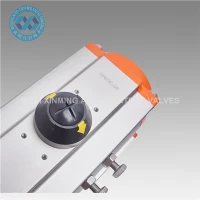
Now, let me tell you a bit about some of the products we offer as a welded ball valve supplier. We have a wide range of valves to suit different applications and requirements. For example, our Segment Control Valve With Pneumatic Actuator is a great option for applications where precise control of the fluid flow is needed. It's designed to be durable and reliable, even in the presence of particle-containing fluids.
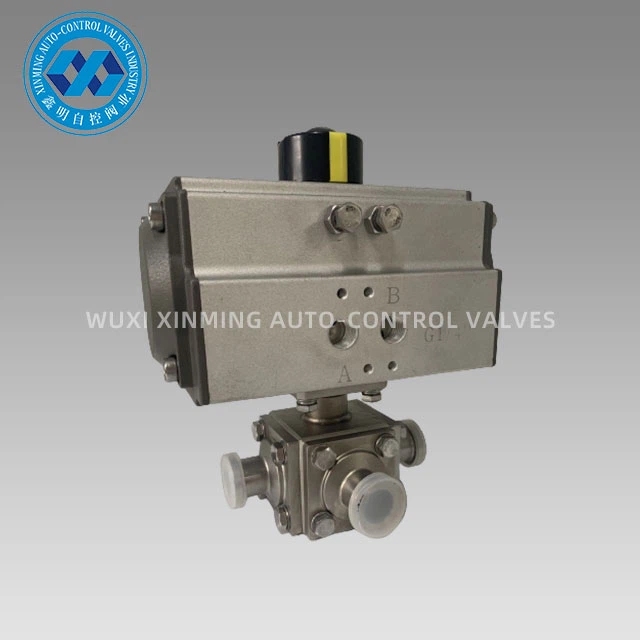
Our Pneumatic Control Ball Valve is another popular choice. It offers quick and easy operation, making it suitable for applications where fast response times are required. And our Pneumatic Actuator Tri-clamp Three Way Ball Valve is ideal for applications that require the diversion or mixing of fluids.
In conclusion, particle-containing fluids can have a significant impact on welded ball valves. They can cause wear and tear, clogging, and corrosion, which can all lead to reduced performance and even valve failure. However, by choosing the right valve, installing a filtration system, and performing regular maintenance, we can minimize these effects and ensure that the valves operate effectively for a long time.
If you're in the market for a welded ball valve or have any questions about how to deal with particle-containing fluids in your application, don't hesitate to reach out. We're here to help you find the best solution for your needs. Whether you're working in the oil and gas industry, water treatment, or any other field that uses valves, we've got the expertise and the products to support you.
So, if you're interested in learning more about our products or discussing your specific requirements, just drop us a line. We'll be happy to have a chat and see how we can assist you in getting the right welded ball valve for your project.
References
- Valve Handbook, 4th Edition by Tom L. Young
- Fluid Mechanics and Hydraulics by Jack B. Evett and Carl S. Liu
- Corrosion Engineering by Mars G. Fontana