Hey there! As a supplier of WCB Butterfly Valves, I've been getting a lot of questions lately about the valve disc coating and its impact on the performance of these valves. So, I thought I'd take a moment to share some insights on this topic.
First off, let's talk about what a WCB Butterfly Valve is. It's a type of valve that uses a disc to control the flow of fluid through a pipe. The disc is mounted on a shaft and rotates within the valve body to open or close the valve. WCB, which stands for "Wrought Carbon Steel B," is a common material used for the valve body due to its strength and durability.
Now, onto the valve disc coating. The coating on the valve disc serves several important purposes, and it can have a significant effect on the overall performance of the valve.
1. Corrosion Resistance
One of the primary functions of the valve disc coating is to protect the disc from corrosion. When a valve is exposed to various fluids, especially those that are corrosive, the uncoated disc can start to rust and deteriorate over time. This can lead to a decrease in the valve's performance, such as reduced sealing ability and increased friction.
A good coating acts as a barrier between the disc and the fluid, preventing direct contact and thus reducing the risk of corrosion. For example, epoxy coatings are commonly used because they offer excellent chemical resistance. They can withstand a wide range of acids, alkalis, and other corrosive substances, ensuring that the valve disc remains in good condition for a longer period.
2. Sealing Performance
The coating also plays a crucial role in the sealing performance of the valve. A smooth and even coating on the disc surface can improve the contact between the disc and the valve seat. This results in a better seal, which is essential for preventing leakage.
When the valve is closed, the disc needs to fit snugly against the seat to stop the flow of fluid completely. If the disc surface is rough or damaged, it won't be able to form a proper seal, and there will be some leakage. A high - quality coating can provide a smooth and uniform surface, enhancing the sealing efficiency of the valve.
3. Friction Reduction
Friction is another factor that affects the valve's performance. When the valve is opened or closed, the disc has to rotate within the valve body. Without a proper coating, the friction between the disc and the seat can be quite high. This not only makes it more difficult to operate the valve but also causes wear and tear on the disc and the seat.
A low - friction coating can significantly reduce this problem. For instance, PTFE (Polytetrafluoroethylene) coatings are known for their low coefficient of friction. They allow the disc to rotate more easily, which means less force is required to operate the valve. This also extends the lifespan of the valve components by reducing the amount of wear.
4. Wear Resistance
In some applications, the valve disc may be subject to abrasion from the fluid or particles in the fluid. For example, in industries where the fluid contains solid particles, the disc can get scratched and worn down. A wear - resistant coating can protect the disc from this type of damage.
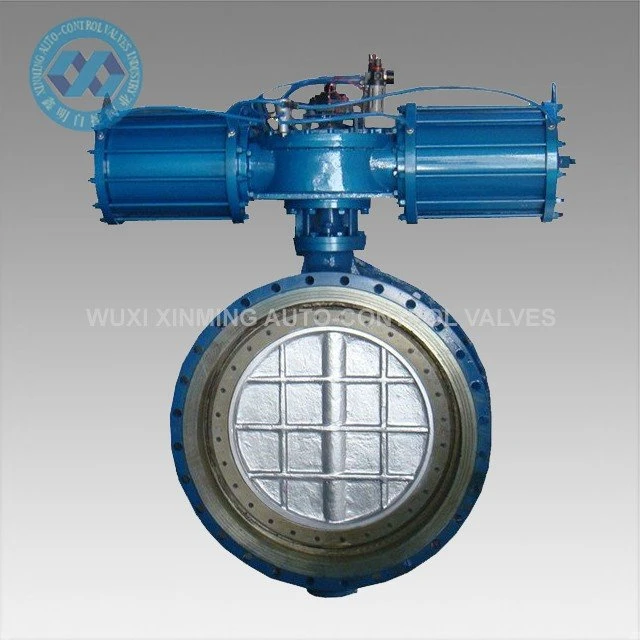
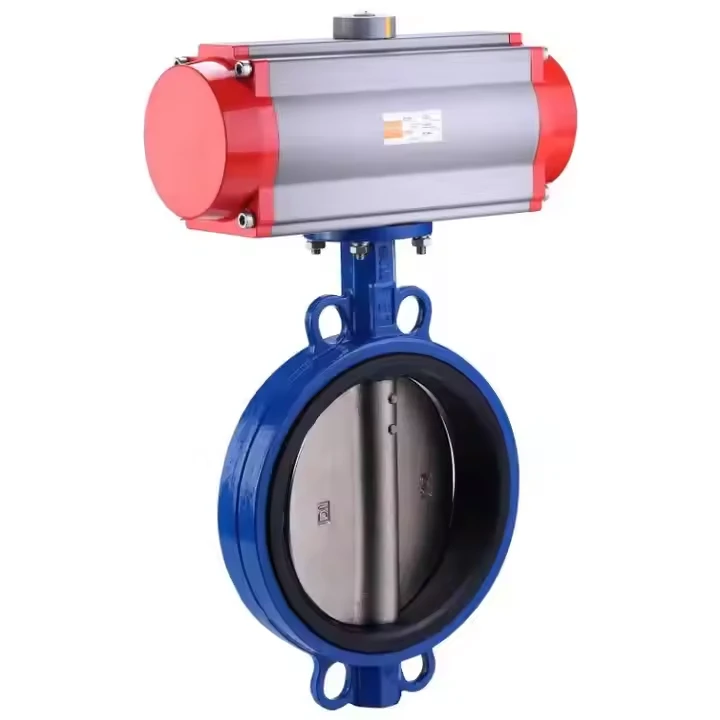
Ceramic coatings are often used in such situations because they are extremely hard and can resist abrasion well. They can maintain the integrity of the disc surface even when exposed to harsh, abrasive environments, ensuring that the valve continues to function properly.
Different Types of Coatings and Their Effects
There are several types of coatings available for valve discs, and each has its own unique properties and effects on valve performance.
- Epoxy Coatings: As mentioned earlier, epoxy coatings are great for corrosion resistance. They are relatively easy to apply and can provide a tough, durable finish. They are suitable for a wide range of applications, especially those where the fluid is mildly corrosive.
- PTFE Coatings: PTFE coatings are well - known for their low friction and chemical resistance. They are often used in applications where smooth operation and resistance to chemicals are required. For example, in the food and beverage industry, PTFE - coated valves are popular because they are non - toxic and can withstand contact with various food products.
- Ceramic Coatings: Ceramic coatings offer excellent wear resistance and high - temperature resistance. They are ideal for applications where the valve is exposed to abrasive fluids or high - temperature environments, such as in power plants or chemical processing facilities.
Real - World Applications
Let's take a look at some real - world applications to see how the valve disc coating affects the performance of WCB Butterfly Valves.
In a water treatment plant, the valves are constantly exposed to water that may contain chemicals for purification. An epoxy - coated valve disc can protect the disc from corrosion caused by these chemicals, ensuring that the valve operates smoothly for a long time. The good sealing performance provided by the coating also helps to prevent any leakage of treated water, which is crucial for maintaining the efficiency of the treatment process.
In the oil and gas industry, where valves are used to control the flow of crude oil and other hydrocarbons, a PTFE - coated valve disc can reduce friction during operation. This makes it easier to open and close the valve, especially in large - scale pipelines where high - pressure fluids are involved. The chemical resistance of the PTFE coating also protects the disc from the corrosive nature of the oil and gas.
Related Products
If you're interested in different types of butterfly valves, we have some great options. Check out our Butterfly Valve With Metal To Metal, which offers reliable performance in various industrial applications. Our Triple Eccentric Butterfly Valve is designed for high - performance requirements, and the High Performance Electric Lining Butterfly Valve is perfect for applications where precise control is needed.
Conclusion
In conclusion, the valve disc coating has a profound effect on the performance of WCB Butterfly Valves. It improves corrosion resistance, sealing performance, reduces friction, and enhances wear resistance. Choosing the right coating for your specific application is essential to ensure the long - term and efficient operation of the valve.
If you're in the market for WCB Butterfly Valves and want to learn more about the coating options or have any other questions, feel free to reach out. We're here to help you find the best valve solution for your needs. Let's have a chat about your requirements and see how we can work together to get you the perfect valves.
References
- "Valve Technology Handbook" by Robert A. Gaylord
- "Industrial Valves: Selection and Sizing" by M. P. Boyce