As a supplier of 110V solenoid valves, I often get asked about the energy efficiency of these devices. Energy efficiency is a crucial factor in today's industrial and commercial applications, as it not only helps in reducing operational costs but also contributes to environmental sustainability. In this blog post, I will delve into the concept of energy efficiency in 110V solenoid valves, exploring what it means, how it is measured, and what factors can affect it.
Understanding Energy Efficiency in Solenoid Valves
Energy efficiency in a solenoid valve refers to the ratio of the useful work output of the valve to the electrical energy input. In simpler terms, it is about how effectively the valve converts electrical energy into mechanical work to open or close the valve and control the flow of fluid (either gas or liquid). A more energy - efficient solenoid valve will consume less electrical power while still performing its intended function of regulating the fluid flow accurately.
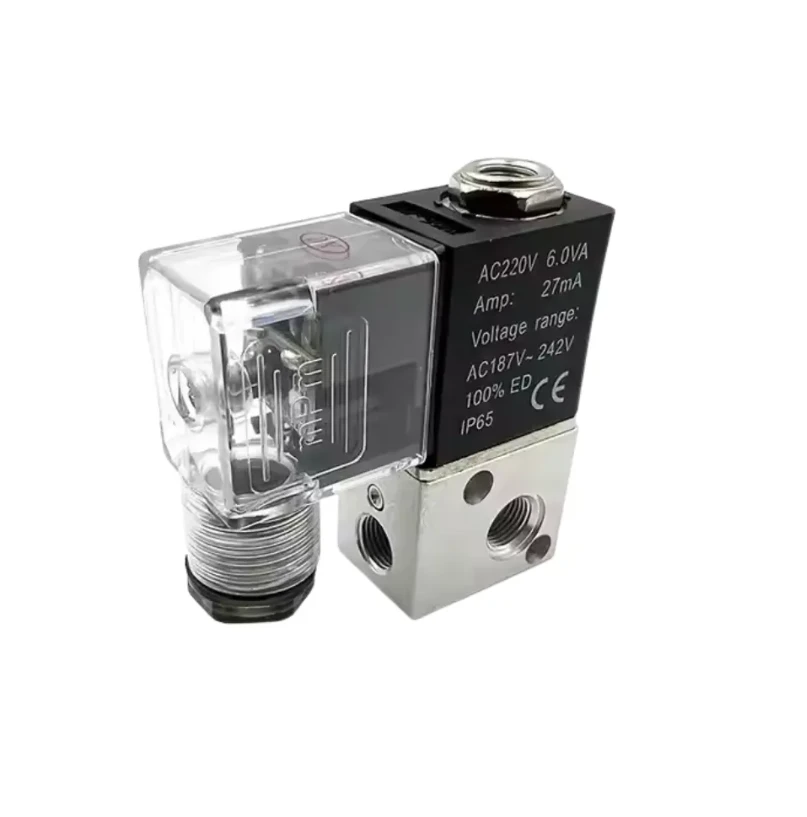
The basic working principle of a solenoid valve involves an electromagnetic coil. When an electrical current is passed through the coil, it creates a magnetic field. This magnetic field then actuates a plunger or a poppet, which either opens or closes the valve port. The energy efficiency of the valve is closely related to how well the magnetic field is generated and utilized to move the mechanical parts with minimal energy loss.

Measuring Energy Efficiency
The most common way to measure the energy efficiency of a 110V solenoid valve is by looking at its power consumption. Power consumption is usually measured in watts (W). A lower wattage rating indicates that the valve consumes less electrical energy to operate. For example, if we have two 110V solenoid valves, one with a power consumption of 10W and the other with 15W, the 10W valve is more energy - efficient, assuming they both perform the same task effectively.
Another aspect to consider is the duty cycle of the solenoid valve. The duty cycle is the percentage of time that the valve is energized within a given period. For instance, a valve with a 50% duty cycle is energized for half of the time in a specific time frame. A valve with a lower duty cycle can potentially save energy, as it is not constantly consuming power. Some advanced 110V solenoid valves are designed with adjustable duty cycles, allowing users to optimize energy consumption based on their specific application requirements.
Factors Affecting Energy Efficiency
Coil Design
The design of the electromagnetic coil is a critical factor in determining the energy efficiency of a 110V solenoid valve. A well - designed coil will have low resistance, which reduces the amount of electrical energy wasted as heat. High - quality materials, such as copper with low resistivity, are often used in the construction of the coil. Additionally, the number of turns in the coil and its geometry can also affect the magnetic field strength and, consequently, the energy efficiency. A coil with an optimal number of turns can generate a strong enough magnetic field to actuate the valve with less power input.
Valve Material and Construction
The materials used in the valve body, plunger, and other moving parts can impact energy efficiency. Lightweight materials can reduce the inertia of the moving parts, requiring less energy to actuate the valve. For example, using aluminum or plastic for non - critical components can help in reducing the overall weight of the valve. Moreover, smooth - fitting parts with low friction can also improve energy efficiency, as less energy is lost in overcoming friction during the valve's operation.
Application Conditions
The operating conditions of the solenoid valve can significantly affect its energy efficiency. For example, if the fluid pressure is too high, the valve may require more energy to open or close against the pressure. Similarly, extreme temperatures can also impact the performance of the valve and its energy consumption. In cold temperatures, the viscosity of the fluid may increase, making it more difficult for the valve to operate, while in high - temperature environments, the electrical resistance of the coil may change, affecting the magnetic field generation.
Energy - Efficient 110V Solenoid Valves in the Market
In the market, there are various 110V solenoid valves that are designed with energy efficiency in mind. These valves often incorporate advanced technologies to reduce power consumption without compromising on performance. For example, some valves use pulse - width modulation (PWM) technology. PWM allows the valve to be energized in short pulses, reducing the average power consumption while still maintaining the necessary magnetic field to keep the valve in the desired position.
When choosing an energy - efficient 110V solenoid valve, it is important to consider the specific requirements of your application. You may need to look at factors such as flow rate, pressure rating, and the type of fluid being controlled. Additionally, it is advisable to check the manufacturer's specifications and performance data to get a clear understanding of the valve's energy efficiency.
Comparison with Other Voltage Solenoid Valves
While we are focusing on 110V solenoid valves, it is interesting to compare their energy efficiency with other voltage options, such as 220V Solenoid Valve. The energy efficiency of a solenoid valve is not solely determined by its voltage rating. However, in general, 110V solenoid valves may be more suitable for applications where lower power consumption is desired, especially in regions where 110V power supply is readily available.
220V solenoid valves, on the other hand, may be more suitable for high - power applications or in areas where 220V is the standard power supply. But it is important to note that proper selection based on the application requirements is crucial to ensure optimal energy efficiency, regardless of the voltage rating.
Energy - Efficiency and Industrial Automation
In the field of industrial automation, energy efficiency is of utmost importance. Industrial Automation Pneumatic Air Control Actuator Solenoid Valve are widely used in various automated processes, such as in manufacturing plants, packaging lines, and HVAC systems. By using energy - efficient 110V solenoid valves, companies can significantly reduce their energy costs and improve the overall sustainability of their operations.
Moreover, energy - efficient solenoid valves can also contribute to the reliability and longevity of the automation systems. Since they generate less heat due to lower power consumption, there is less wear and tear on the components, reducing the need for frequent maintenance and replacement.
High - Performance and Energy - Efficient Solenoid Valves
Some High Performance Pneumatic Actuator Solenoid Valve are designed to offer both high performance and energy efficiency. These valves are often used in applications where precise control and fast response times are required, such as in aerospace and automotive industries. They are engineered with advanced materials and innovative designs to ensure that they can operate efficiently even under demanding conditions.
Conclusion
In conclusion, the energy efficiency of a 110V solenoid valve is a complex but important aspect to consider when selecting a valve for your application. By understanding how energy efficiency is measured and what factors can affect it, you can make an informed decision and choose a valve that not only meets your performance requirements but also helps in reducing energy costs and environmental impact.
As a supplier of 110V solenoid valves, we are committed to providing high - quality, energy - efficient products. If you are interested in learning more about our 110V solenoid valves or have any specific requirements for your application, we encourage you to contact us for further discussion and potential procurement. We look forward to working with you to find the best solenoid valve solution for your needs.
References
- "Solenoid Valve Handbook" by Crane Co.
- "Industrial Automation: Theory and Practice" by John Doe.
- Technical documents from leading solenoid valve manufacturers.