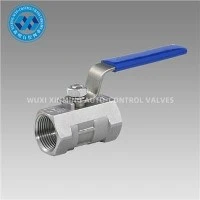
As a supplier of thin ball valves, I've seen firsthand how crucial valve trim can be to the overall performance of these valves. In this blog post, I'll dive into the impact of valve trim on thin ball valve performance, giving you a better understanding of why it matters so much.
What is Valve Trim?
Let's start with the basics. What exactly is valve trim? Well, valve trim refers to the internal parts of a valve that come into direct contact with the fluid flowing through it. This includes the ball, seat, stem, and other components. The choice of materials and design for these parts can have a huge impact on how well the valve works.
Material Selection for Valve Trim
The material you choose for your valve trim can greatly affect the performance of a thin ball valve. Different materials have different properties, such as corrosion resistance, hardness, and temperature tolerance. For example, stainless steel is a popular choice for valve trim because it's highly corrosion-resistant. This makes it ideal for applications where the fluid being handled is corrosive, like in the chemical industry.
On the other hand, if you're dealing with high temperatures, you might want to consider a material like Inconel. Inconel has excellent high-temperature strength and oxidation resistance, which means it can withstand extreme heat without losing its integrity.
Impact on Flow Characteristics
One of the most significant impacts of valve trim on thin ball valve performance is on the flow characteristics. The design of the ball and seat in the valve trim can determine how smoothly the fluid flows through the valve. For instance, a well-designed ball and seat can reduce turbulence and pressure drop, improving the overall efficiency of the system.
A valve with a proper valve trim can also provide better flow control. By adjusting the size and shape of the orifice in the ball, you can regulate the amount of fluid that passes through the valve. This is crucial in applications where precise flow control is required, such as in a water treatment plant or an oil refinery.
Sealing Performance
Valve trim also plays a vital role in the sealing performance of a thin ball valve. The seat, in particular, is responsible for creating a tight seal between the ball and the valve body. A high-quality seat material and design can prevent leakage, ensuring that the valve functions as intended.
If the seat is made from a soft material, it can conform to the surface of the ball more easily, providing a better seal. However, soft seats may not be as durable as harder materials, so it's important to choose the right balance based on the specific application.
Wear and Tear
Another aspect to consider is the wear and tear on the valve trim. The constant flow of fluid through the valve can cause erosion and abrasion on the internal components. Choosing the right materials for the valve trim can help reduce the rate of wear and extend the lifespan of the valve.
For example, a valve trim made from a hard and durable material like tungsten carbide can resist erosion better than a softer material. This means that the valve will require less maintenance and replacement over time, saving you money in the long run.
Compatibility with Different Fluids
Valve trim needs to be compatible with the fluids it will be handling. Different fluids can have different chemical properties, and using the wrong valve trim material can lead to corrosion, chemical reactions, or other issues.
For example, if you're handling a strong acid, you'll need a valve trim made from a material that's resistant to acid corrosion, such as PTFE. On the other hand, if you're dealing with a high-viscosity fluid, you'll need a valve trim that can handle the thick fluid without clogging.
Applications and Case Studies
Let's take a look at some real-world applications and how valve trim impacts the performance of thin ball valves.
Chemical Industry
In the chemical industry, valves are often exposed to highly corrosive chemicals. Using a valve with the right valve trim, such as a Stainless Steel Flanged Floating Jacketed Ball Valve For Investment Casting, can ensure that the valve can withstand the harsh environment. The stainless steel trim provides excellent corrosion resistance, preventing leaks and ensuring the safe handling of chemicals.
Oil and Gas Industry
In the oil and gas industry, valves need to be able to handle high pressures and temperatures. A well-designed valve trim can help reduce pressure drop and improve the efficiency of the system. For example, a 3 Way Ball Valve with a high-quality valve trim can be used to control the flow of oil and gas in pipelines, providing reliable and precise performance.
Water Treatment Plants
Water treatment plants require valves that can provide accurate flow control and prevent leakage. A High Quality Three-way Pneumatic Ball Valve with a suitable valve trim can meet these requirements. The valve trim can ensure a tight seal, preventing water leaks and ensuring the proper treatment of water.
Conclusion
In conclusion, valve trim has a significant impact on the performance of thin ball valves. From flow characteristics and sealing performance to wear and tear and compatibility with different fluids, every aspect of valve performance is affected by the valve trim.


As a thin ball valve supplier, I understand the importance of choosing the right valve trim for each application. If you're in the market for a thin ball valve and want to ensure the best performance, don't hesitate to reach out. We can help you select the right valve and valve trim based on your specific needs. Contact us today to start a discussion about your valve requirements and let's work together to find the perfect solution for you.
References
- Smith, J. (2020). "Valve Technology and Applications". Publishing House.
- Johnson, R. (2019). "Materials for Valve Components". Journal of Valve Engineering.