

Hey there! As a supplier of thin ball valves, I often get asked about the opening and closing torque of these valves. So, I thought I'd take a moment to break it down for you and explain what it means, why it matters, and how it affects the performance of thin ball valves.
What is Torque?
First things first, let's talk about torque. Torque is a measure of the force that causes an object to rotate around an axis. In the context of a thin ball valve, torque is the force required to turn the valve's ball (the spherical disc inside the valve) to open or close the flow of fluid. It's usually measured in units like Newton-meters (N·m) or inch-pounds (in·lbf).
Opening and Closing Torque Defined
The opening torque of a thin ball valve is the amount of force needed to start moving the ball from the closed position to the open position. This is when you're overcoming the initial resistance, which can be due to factors like friction between the ball and the valve seats, the pressure of the fluid against the ball, and any mechanical resistance in the valve's stem and actuator.
On the other hand, the closing torque is the force required to turn the ball from the open position back to the closed position. Similar to opening torque, closing torque is affected by friction, fluid pressure, and mechanical resistance. However, the closing process might also be influenced by the flow direction and the pressure differential across the valve.
Why Does Torque Matter?
Understanding the opening and closing torque of a thin ball valve is crucial for several reasons.
Proper Valve Selection
When you're choosing a thin ball valve for a specific application, you need to make sure that the valve's torque requirements are compatible with the actuator you plan to use. An actuator is a device that provides the force to open and close the valve. If the actuator can't generate enough torque, the valve might not open or close properly, leading to flow issues or even valve damage.
For example, if you're working with a high-pressure system, you'll need a valve with a higher torque rating and an actuator that can handle that torque. Check out our Sanitary Grade Stainless Steel 304 316 Ball Valve for options suitable for various pressure and torque requirements.
System Efficiency
The torque required to operate a valve can have a significant impact on the overall efficiency of a fluid system. If the torque is too high, it means the actuator has to work harder, which can lead to increased energy consumption. On the other hand, if the torque is optimized, the valve can operate smoothly with less energy, reducing operating costs in the long run.
Safety
In some applications, such as in chemical or oil and gas industries, improper valve operation due to insufficient torque can have serious safety consequences. A valve that doesn't close properly can lead to leaks, which can be hazardous to personnel and the environment. Ensuring that the valve's torque requirements are met is an important part of maintaining a safe working environment.
Factors Affecting Torque
Several factors can influence the opening and closing torque of a thin ball valve.
Valve Size
Generally, larger valves require more torque to operate because they have a larger ball and more surface area in contact with the fluid and the valve seats. As the valve size increases, the force required to move the ball also increases.
Fluid Pressure
Higher fluid pressure can increase the torque needed to open and close the valve. When the pressure is high, the fluid exerts more force on the ball, making it more difficult to turn. This is especially true for valves in high-pressure systems, like those used in industrial hydraulics or high-pressure piping networks.
Valve Design
The design of the valve, including the type of seats, the stem design, and the overall construction, can affect the torque requirements. For example, valves with soft seats tend to have lower torque requirements compared to those with metal seats because the soft material reduces friction.
Flow Direction
The direction of the fluid flow can also impact the torque. In some cases, the flow can assist in opening or closing the valve, reducing the required torque. However, in other situations, the flow can create additional resistance, increasing the torque needed.
Measuring Torque
Measuring the opening and closing torque of a thin ball valve is an important step in ensuring its proper operation. There are several methods for measuring torque, but the most common one involves using a torque wrench.
A torque wrench is a tool that allows you to apply a specific amount of torque to a fastener or, in this case, the valve stem. By slowly turning the valve with the torque wrench and monitoring the applied torque, you can determine the opening and closing torque values.
It's important to note that torque measurements should be taken under specific conditions, such as at a certain fluid pressure and temperature, to ensure accurate results.
Applications and Torque Requirements
Different applications have different torque requirements for thin ball valves.
Residential Plumbing
In residential plumbing systems, the fluid pressure is relatively low, so the torque requirements for thin ball valves are also low. These valves are typically operated manually, and a simple hand lever can provide enough force to open and close them.
Industrial Processes
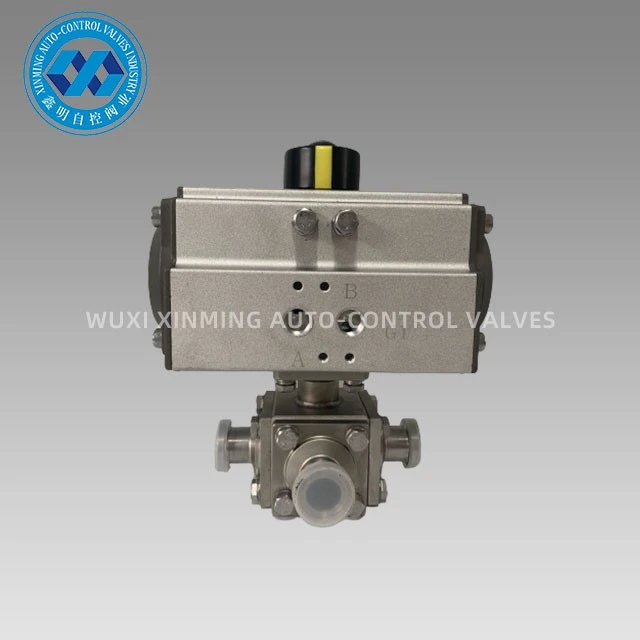
In industrial settings, such as chemical plants, refineries, and power generation facilities, the torque requirements can be much higher. These applications often involve high-pressure fluids and large valve sizes, so more powerful actuators are needed to operate the valves. For example, our Pneumatic Actuator Tri-clamp Three Way Ball Valve is designed for industrial applications where precise control and higher torque are required.
Food and Beverage Industry
In the food and beverage industry, thin ball valves are commonly used for sanitary applications. These valves need to be easy to clean and operate, and they often have lower torque requirements. Our Sanitary Grade Stainless Steel 304 316 Ball Valve is a great choice for these applications, offering reliable performance with appropriate torque ratings.
Choosing the Right Valve and Actuator
When selecting a thin ball valve and an actuator, it's essential to consider the torque requirements. Here are some tips to help you make the right choice:
Know Your Application
Understand the specific requirements of your application, including the fluid pressure, temperature, flow rate, and valve size. This will help you determine the appropriate torque rating for the valve.
Consult the Manufacturer
Reach out to the valve manufacturer for guidance on torque requirements. They can provide you with detailed information about the valve's performance and help you select the right actuator.
Consider Future Expansion
If you anticipate future changes or expansions in your system, choose a valve and actuator with a slightly higher torque rating to accommodate potential increases in pressure or flow.
Conclusion
In conclusion, the opening and closing torque of a thin ball valve is a critical factor that affects its performance, efficiency, and safety. By understanding what torque is, why it matters, and the factors that influence it, you can make informed decisions when selecting a valve and an actuator for your application.
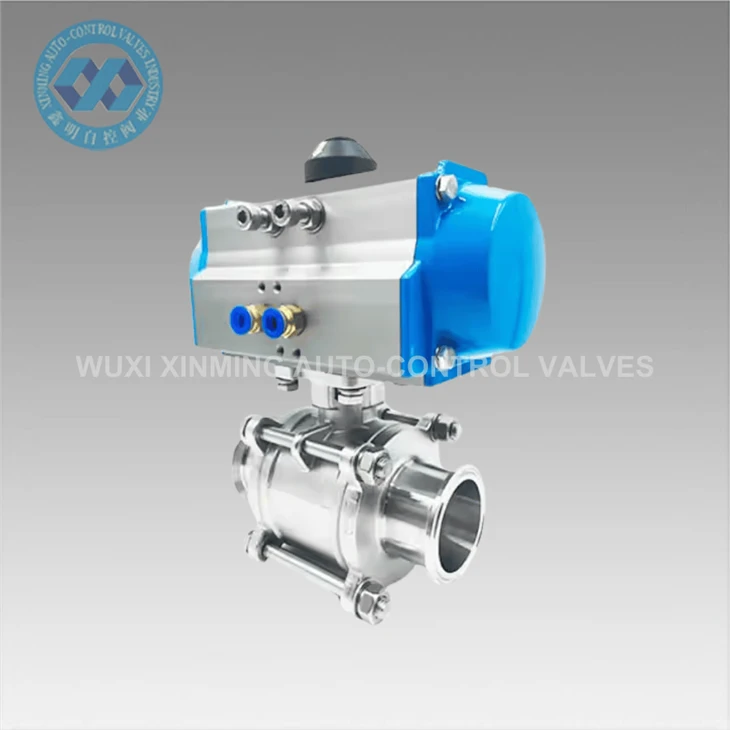
If you're in the market for a thin ball valve and need help with torque requirements or valve selection, don't hesitate to contact us. We're a leading supplier of thin ball valves, and we have a wide range of products, including Pneumatic Actuated Ball Valve, to meet your needs. Our team of experts is ready to assist you in finding the perfect valve solution for your project. Let's start the conversation and get you the right valve for your application!
References
- Valve Handbook, 4th Edition, by Ernest O. Doebelin
- Fluid Mechanics and Thermodynamics of Turbomachinery, 5th Edition, by S. L. Dixon and C. A. Hall
- Industrial Valves: A Guide to Selection and Application, by John P. Carruthers




