Hey there! As a supplier of Thread Ball Valves, I've seen firsthand how crucial the pressure rating of these valves is. Let's dive right in and explore why it matters so much.
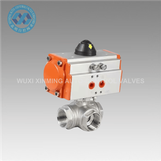
First off, what exactly is a Thread Ball Valve? Well, it's a type of valve that uses a ball with a hole in it to control the flow of fluid through a pipeline. When the ball is turned so that the hole aligns with the pipeline, fluid can flow freely. When it's turned perpendicular to the pipeline, the flow is blocked. Simple, right? You can check out more about Thread Ball Valve on our website.
Now, the pressure rating of a Thread Ball Valve is the maximum pressure that the valve can safely handle. It's usually marked on the valve body, and it's super important to pay attention to this rating. Why? Because if you use a valve with a pressure rating that's too low for your application, it can lead to some serious problems.


One of the biggest risks of using a valve with an inadequate pressure rating is valve failure. When the pressure in the pipeline exceeds the valve's rating, the valve may not be able to seal properly. This can cause leaks, which can be a huge headache, especially if you're dealing with hazardous or expensive fluids. A leaky valve can also lead to a loss of pressure in the system, which can affect the performance of other components in the pipeline.
Let's say you're working in an industrial setting where you have high-pressure steam flowing through a pipeline. If you install a Thread Ball Valve with a pressure rating that's too low, the valve could start to leak steam. Not only is this a waste of energy, but it can also be dangerous. Steam at high pressure can cause burns and other injuries if it comes into contact with people.
Another issue is that excessive pressure can damage the valve itself. The ball and the seals inside the valve are designed to withstand a certain amount of pressure. When the pressure goes beyond this limit, the ball may become deformed, and the seals may be damaged. This can lead to premature wear and tear of the valve, which means you'll have to replace it more often. And let's face it, replacing valves can be costly, both in terms of the valve itself and the labor required to install it.
On the other hand, if you choose a valve with a pressure rating that's too high for your application, you may end up paying more than you need to. Valves with higher pressure ratings are usually more expensive because they're made with stronger materials and more robust construction. So, it's important to find the right balance and choose a valve with a pressure rating that matches your specific needs.
To determine the appropriate pressure rating for your Thread Ball Valve, you need to consider several factors. First, you need to know the maximum operating pressure of your pipeline. This can usually be determined by looking at the specifications of the equipment that's connected to the pipeline or by conducting pressure tests. You also need to take into account any pressure surges that may occur in the system. Pressure surges can happen when valves are opened or closed suddenly, or when there are changes in the flow rate of the fluid.
At our company, we offer a wide range of Thread Ball Valves with different pressure ratings to meet the needs of various applications. We also have Stainless Steel Ball Valve and WCB Ball Valve options available. Stainless steel ball valves are great for applications where corrosion resistance is important, while WCB ball valves are known for their durability and strength.
When you're choosing a Thread Ball Valve, it's also a good idea to consult with an expert. We have a team of experienced professionals who can help you select the right valve for your application based on your specific requirements. They can take into account factors like the type of fluid, the temperature, and the pressure in your pipeline to ensure that you get a valve that will work reliably and safely.
In addition to the pressure rating, there are other features to consider when choosing a Thread Ball Valve. For example, you need to think about the size of the valve, the type of connection (such as NPT or BSP), and the material of the valve body. These factors can also affect the performance and suitability of the valve for your application.
So, in conclusion, the pressure rating of a Thread Ball Valve is of utmost importance. It can determine the safety, reliability, and cost-effectiveness of your pipeline system. By choosing a valve with the right pressure rating, you can avoid valve failures, leaks, and premature wear and tear. If you're in the market for a Thread Ball Valve or have any questions about pressure ratings, don't hesitate to reach out to us. We're here to help you make the right choice for your needs.
If you're interested in purchasing our Thread Ball Valves or want to discuss your requirements further, feel free to contact us. We're always happy to have a chat and help you find the best solution for your application.
References
- Valve Handbook, Various Editions
- Industrial Pipeline Design Guidelines
- Pressure Vessel and Valve Standards Documents