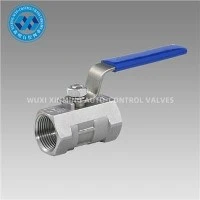
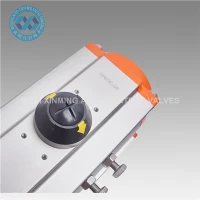
A thin ball valve is a crucial component in various industrial and commercial systems, designed to control the flow of fluids or gases. At the heart of this valve lies the ball, a simple yet highly effective element that plays a pivotal role in its operation. As a trusted thin ball valve supplier, we understand the significance of the ball within the thin ball valve and its impact on the overall performance of the valve. In this blog post, we will delve into the role of the ball in a thin ball valve, exploring its functions, design considerations, and the benefits it offers.
Functions of the Ball in a Thin Ball Valve
Flow Control
The primary function of the ball in a thin ball valve is to control the flow of fluid or gas through the valve. The ball has a hole, or port, drilled through its center, which aligns with the valve's inlet and outlet ports when the valve is in the open position. This allows the fluid or gas to pass through the valve with minimal resistance. When the valve is closed, the ball is rotated 90 degrees, so the solid part of the ball blocks the flow path, preventing the fluid or gas from passing through. This simple yet effective mechanism provides precise control over the flow rate and direction of the medium.
Sealing
Another critical function of the ball is to provide a reliable seal when the valve is closed. The ball is typically made of a hard and durable material, such as stainless steel or brass, and is machined to a high degree of precision. The surface of the ball is smooth and polished, which helps to create a tight seal against the valve seats. The valve seats are usually made of a soft material, such as PTFE (polytetrafluoroethylene), which conforms to the shape of the ball, ensuring a leak-tight seal. This sealing mechanism is essential for preventing leaks and maintaining the integrity of the system.
Shut-Off
In addition to flow control and sealing, the ball in a thin ball valve also serves as a shut-off device. When the valve is fully closed, the ball provides a complete blockage of the flow path, effectively shutting off the supply of fluid or gas. This is particularly important in applications where it is necessary to isolate a section of the system for maintenance or repair. The quick and reliable shut-off capability of the thin ball valve makes it a popular choice in many industries.
Design Considerations for the Ball in a Thin Ball Valve
Material Selection
The choice of material for the ball is crucial for ensuring the performance and durability of the thin ball valve. The material must be able to withstand the corrosive effects of the fluid or gas being handled, as well as the mechanical stresses associated with the valve's operation. Stainless steel is a commonly used material for the ball due to its excellent corrosion resistance, high strength, and durability. Brass is another popular choice, especially for applications where cost is a consideration. In some cases, specialized materials, such as ceramic or titanium, may be used for the ball to meet specific requirements, such as high-temperature or high-pressure applications.
Ball Size and Port Size
The size of the ball and the port size are important design considerations that affect the flow capacity and pressure drop of the thin ball valve. The ball size is typically determined by the valve size and the required flow rate. A larger ball size generally allows for a higher flow capacity, but it may also result in a higher pressure drop. The port size is the diameter of the hole in the ball, and it is usually designed to match the size of the valve's inlet and outlet ports. A larger port size can reduce the pressure drop and improve the flow efficiency of the valve.
Ball Surface Finish
The surface finish of the ball is critical for achieving a good seal and reducing friction. A smooth and polished surface helps to prevent the accumulation of debris and contaminants, which can affect the performance of the valve. The surface finish of the ball is typically specified in terms of its roughness average (Ra), which is a measure of the surface irregularities. A lower Ra value indicates a smoother surface finish. In general, a Ra value of 0.2 to 0.8 micrometers is recommended for the ball in a thin ball valve.
Benefits of the Ball in a Thin Ball Valve
Quick and Easy Operation
One of the main benefits of the ball in a thin ball valve is its quick and easy operation. The ball can be rotated 90 degrees with a simple quarter-turn of the valve handle or actuator, providing rapid on-off control of the flow. This makes the thin ball valve ideal for applications where fast response times are required, such as in emergency shut-off situations.
Low Friction and Wear
The smooth surface of the ball and the use of low-friction materials for the valve seats result in low friction and wear during operation. This reduces the energy consumption of the valve and extends its service life. The low friction also allows for easy operation, even in high-pressure applications.
Wide Range of Applications
Thin ball valves are widely used in a variety of industries, including oil and gas, chemical, water treatment, and food and beverage. The versatility of the ball in the thin ball valve makes it suitable for handling a wide range of fluids and gases, including corrosive and abrasive media. The ability to provide precise flow control and reliable sealing makes the thin ball valve a popular choice for many applications.
Our Thin Ball Valve Products
As a leading thin ball valve supplier, we offer a wide range of high-quality thin ball valves to meet the diverse needs of our customers. Our products include Pneumatic Actuator Flange Tee Ball Valve, Electrical Ball Valve, and 180 Degree Pneumatic Actuator 3 Way Ball Valve, 3 Way Ball Valve With Pneumatic Actuator. These valves are designed and manufactured to the highest standards, using the latest technology and materials.
Our thin ball valves are available in a variety of sizes, materials, and configurations to suit different applications. We also offer customized solutions to meet the specific requirements of our customers. Whether you need a standard valve or a special design, we have the expertise and resources to provide you with the right solution.
Contact Us for Procurement and Negotiation
If you are interested in our thin ball valve products or have any questions about the role of the ball in a thin ball valve, please feel free to contact us. Our team of experts is ready to assist you with your procurement needs and provide you with detailed information about our products. We look forward to working with you and helping you find the perfect thin ball valve for your application.


References
- ASME B16.34 - Valves - Flanged, Threaded, and Welding End
- API 6D - Pipeline Valves - Specification for Pipeline Valves
- ISO 5208 - Industrial Valves - Pressure Testing of Valves