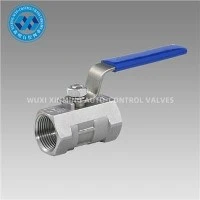
Hey there! As a supplier of thin ball valves, I often get asked about the insulation requirements for these valves in cold environments. It's a crucial topic, especially for industries where maintaining the right temperature is key to the smooth operation of their systems. So, let's dive right in and explore what it takes to insulate a thin ball valve properly when the mercury drops.
First off, why do we even need insulation for thin ball valves in cold environments? Well, cold temperatures can cause a bunch of problems. For starters, the fluid inside the valve can freeze, which not only blocks the flow but can also damage the valve itself due to the expansion of the frozen fluid. Additionally, cold can make the valve components brittle, increasing the risk of cracks and leaks. And let's not forget about energy efficiency. Without proper insulation, the system has to work harder to maintain the desired temperature, leading to higher energy costs.

Now, let's talk about the factors that determine the insulation requirements. The most obvious one is the ambient temperature. The colder it gets, the more insulation you'll need. For example, if you're operating in an environment where the temperature regularly drops below freezing, you'll need a more robust insulation solution compared to an area with milder cold spells.
Another important factor is the type of fluid flowing through the valve. Different fluids have different freezing points. Some fluids, like water, freeze at 0°C (32°F), while others, such as certain chemicals, may have much lower freezing points. You need to know the properties of the fluid to choose the right insulation to prevent it from solidifying.
The material of the thin ball valve also plays a role. Valves made of materials with high thermal conductivity, like metal, will lose heat more quickly than those made of materials with lower thermal conductivity. So, if you have a metal thin ball valve, you'll likely need more insulation to keep it at the right temperature.
So, what are the different types of insulation materials available? One common option is foam insulation. Foam is lightweight, easy to install, and has good insulating properties. It comes in various forms, such as pre - formed pipe insulation that can be easily wrapped around the valve. There are also spray - on foam insulations that can provide a seamless and custom - fit layer of insulation.
Another option is fiberglass insulation. Fiberglass is known for its high - temperature resistance and good insulating capabilities. It's often used in industrial settings where the valve may be exposed to a wide range of temperatures. However, it requires proper handling as the fibers can be irritating to the skin and lungs.
Mineral wool insulation is also a popular choice. It's fire - resistant and has excellent thermal insulation properties. Mineral wool can be used in both indoor and outdoor applications, making it suitable for a variety of cold - environment scenarios.
When it comes to installing the insulation, it's important to do it right. Make sure the insulation covers the entire valve, including the body, stem, and any exposed connections. You want to create a continuous barrier to prevent heat loss. Seal any joints or seams in the insulation to ensure maximum efficiency.
Now, let's touch on some of the thin ball valve products we offer at our company. We have a great selection of Electrical Ball Valve. These valves are not only reliable but can also be easily integrated into automated systems. They're perfect for applications where precise control is required, even in cold environments.
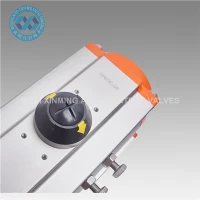
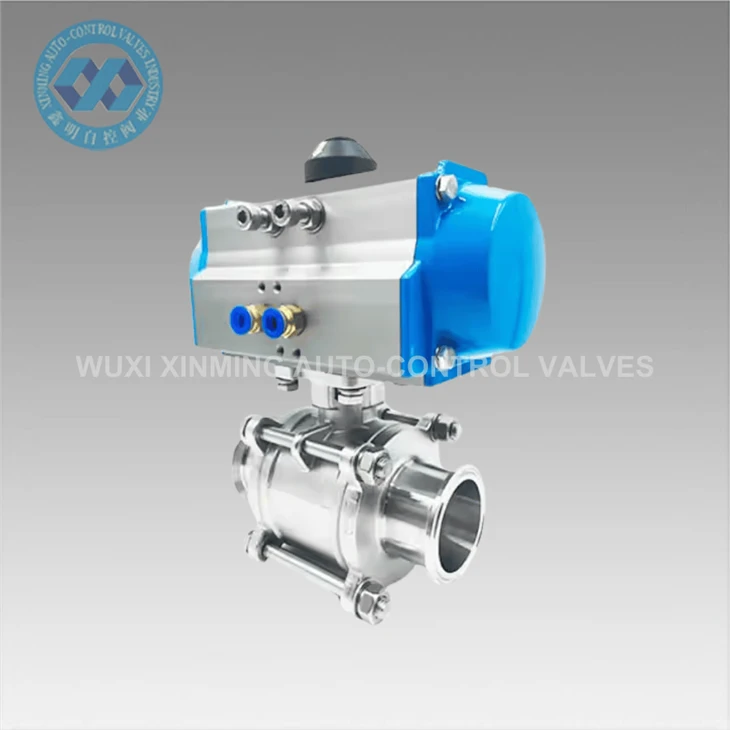
Our Pneumatic Actuator WCB Flange Ball Valve is another excellent option. The pneumatic actuator allows for quick and efficient operation, and the WCB flange construction provides durability. With proper insulation, this valve can perform well in cold conditions, ensuring smooth fluid flow.
For industries that require high - quality and hygienic valves, our Sanitary Grade Stainless Steel 304 316 Ball Valve is a top choice. The stainless - steel construction is resistant to corrosion, and the sanitary grade makes it suitable for applications in the food, beverage, and pharmaceutical industries. Insulating these valves in cold environments is essential to maintain the integrity of the fluids being handled.
In conclusion, understanding the insulation requirements for thin ball valves in cold environments is crucial for the proper functioning and longevity of your systems. By considering factors like ambient temperature, fluid type, and valve material, and choosing the right insulation material and installation method, you can ensure that your valves operate efficiently even in the coldest conditions.
If you're in the market for thin ball valves or need more information about insulation solutions, don't hesitate to reach out. We're here to help you find the best products and solutions for your specific needs. Whether you're dealing with a small - scale project or a large - scale industrial application, we've got the expertise and the products to meet your requirements. Let's start a conversation and see how we can work together to keep your systems running smoothly in the cold.
References
- "Industrial Valve Handbook" by Valve Manufacturers Association
- "Thermal Insulation Materials and Applications" by Insulation Research Institute