Hey there! As a ball valve supplier, I often get asked about the leakage rate of ball valves. So, I thought I'd write this blog to share some insights on what the leakage rate of a ball valve is and why it matters.
First off, let's understand what we mean by the leakage rate of a ball valve. In simple terms, the leakage rate is the amount of fluid that passes through a valve when it's supposed to be in the closed position. It's usually measured in units like cubic centimeters per minute (cc/min) or standard cubic centimeters per minute (sccm) for gases, and liters per hour (L/h) for liquids.
There are a few factors that can affect the leakage rate of a ball valve. One of the most important ones is the valve's design and construction. For example, the quality of the ball and the seat is crucial. A well - machined ball with a smooth surface and a precisely - fitting seat will have a lower leakage rate. If the ball has any scratches or the seat is not properly aligned, it can lead to higher leakage.
The material used in the valve also plays a big role. Different materials have different properties when it comes to sealing. For instance, some elastomers used for seats can provide a better seal than others, reducing the leakage rate. Also, the compatibility of the valve material with the fluid it's handling is essential. If the fluid is corrosive and the valve material isn't resistant enough, it can cause damage to the valve components over time, increasing the leakage.
Another factor is the operating conditions. High pressure and temperature can put a lot of stress on the valve. At high pressures, the force trying to push the fluid through the closed valve is greater, and if the valve isn't designed to handle it, the leakage rate can go up. Similarly, extreme temperatures can cause the materials in the valve to expand or contract, affecting the seal and potentially increasing leakage.
Now, let's talk about the importance of the leakage rate. In many industrial applications, even a small amount of leakage can be a big problem. For example, in a chemical processing plant, a leaking valve can lead to the release of hazardous chemicals, which is not only a safety hazard but can also cause environmental damage. In a food and beverage industry, leakage can contaminate the product, leading to quality issues and potential health risks.
In some applications, the cost of the fluid being handled is high. For instance, in the oil and gas industry, even a small leakage can result in significant financial losses over time. So, having a ball valve with a low leakage rate is crucial for both safety and economic reasons.
At our company, we offer a wide range of ball valves with different leakage rates to meet various customer needs. Take our Double Sleeve Polyvinyl Chloride Ball Valve. This valve is designed with high - quality PVC materials that provide a good seal, resulting in a relatively low leakage rate. It's suitable for applications where the fluid is not too aggressive and the pressure requirements are moderate.
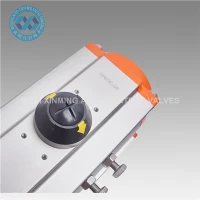
Our Two - way Ball Valve With Air Control Flange With Pneumatic Actuator is another great option. With its advanced design and high - precision components, it can achieve a very low leakage rate, even under high - pressure conditions. The pneumatic actuator allows for quick and accurate operation, ensuring that the valve closes tightly every time.
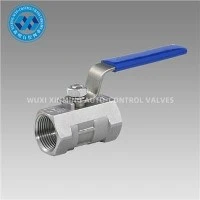
If you're looking for a more compact and versatile option, our 3PC Thread Ball Valve is a good choice. It's easy to install and maintain, and it offers a reliable seal with a low leakage rate. This valve is often used in small - scale industrial applications and plumbing systems.


When it comes to choosing the right ball valve with the appropriate leakage rate for your application, it's important to consider all the factors we've discussed. You need to think about the type of fluid, the operating pressure and temperature, and the level of leakage that's acceptable for your specific situation.
If you're interested in learning more about our ball valves or have any questions regarding the leakage rate, don't hesitate to reach out. We're here to help you find the perfect valve solution for your needs. Whether you're a small business or a large industrial corporation, we can provide you with high - quality ball valves that meet your requirements.
In conclusion, understanding the leakage rate of a ball valve is essential for making the right choice in your applications. By considering the design, materials, and operating conditions, you can ensure that you get a valve with a low leakage rate, which will save you money, improve safety, and enhance the overall performance of your system. So, if you're in the market for a ball valve, give us a call and let's start the conversation about finding the best valve for you.
References:
- "Valve Handbook" - A comprehensive guide on valve technology and applications.
- Industry standards and guidelines related to ball valve performance and leakage rates.