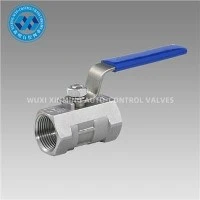
Hey there! As a supplier of soft-seal ball valves, I often get asked about how to connect these valves to pipelines. It's a crucial step that can affect the overall performance and safety of your system. So, in this blog, I'll walk you through the process, step by step.
1. Pre - installation Checks
Before you even start thinking about connecting the valve, you need to do some pre - installation checks. First off, make sure you've got the right valve for your pipeline. Check the valve's size, pressure rating, and material compatibility. You don't want a valve that's too small or too big for your pipeline, or one that can't handle the pressure.
Also, inspect the valve and the pipeline for any damage. Look for cracks, dents, or any other signs of wear and tear. If you find any issues, it's best to replace the damaged parts before proceeding. This will save you a lot of headaches down the road.
2. Gather Your Tools
You'll need a few tools to connect the soft - seal ball valve to the pipeline. Here's a quick list:
- Wrenches: Depending on the size of the valve and the pipeline, you'll need the right size of wrenches. Adjustable wrenches can be handy if you're not sure about the exact size.
- Sealant: A good quality sealant is essential to prevent leaks. Make sure it's compatible with the materials of the valve and the pipeline.
- Measuring Tape: To ensure that the valve is installed at the right position on the pipeline.
3. Prepare the Pipeline
Clean the ends of the pipeline where the valve will be connected. Remove any dirt, debris, or old sealant. This will ensure a good seal between the valve and the pipeline. You can use a wire brush or a pipe cleaner for this task.
If the pipeline has threaded ends, check the threads for any damage. If the threads are damaged, you may need to repair or replace the pipeline section.
4. Apply Sealant
Apply a thin layer of sealant to the threads of the valve and the pipeline. Be careful not to apply too much, as it can cause blockages or leaks. Use a brush or your finger to spread the sealant evenly.
5. Connect the Valve
Now it's time to connect the valve to the pipeline. There are two common types of connections: threaded and flanged.
Threaded Connection
If you're using a threaded connection, align the valve with the pipeline and start screwing the valve onto the pipeline by hand. Once it's hand - tight, use a wrench to tighten it further. But don't over - tighten, as it can damage the threads or the valve.
Flanged Connection
For a flanged connection, place the valve between the flanges of the pipeline. Make sure the bolt holes in the valve flanges align with the holes in the pipeline flanges. Insert the bolts through the holes and use a wrench to tighten the nuts. Tighten the bolts evenly in a criss - cross pattern to ensure a uniform seal.
6. Check the Alignment
After connecting the valve, check its alignment. The valve should be straight and not at an angle. Misaligned valves can cause problems with flow and can also lead to leaks.


7. Test the Connection
Once the valve is connected, it's time to test the connection. Close the valve and apply pressure to the pipeline. You can use a pressure gauge to monitor the pressure. Check for any leaks around the valve connections. If you find a leak, tighten the connections a little more or apply more sealant.
8. Additional Tips
- If you're working with a large - scale pipeline system, it's a good idea to have a professional plumber or technician assist you.
- Consider using additional safety features like pressure relief valves or flow control devices.
Some of Our Related Products
We offer a wide range of ball valves, including the High Performance Pneumatic Thin Ball Valve, which is known for its high - performance and reliability. Another great option is the Metal - to - metal Ball Valve, which is suitable for high - pressure and high - temperature applications. And if you're in the food or beverage industry, our Sanitary Stainless Steel Three - way Ball Valve Double Acting Actuator is a perfect choice.
Contact Us for Purchase
If you're interested in purchasing our soft - seal ball valves or any of our other products, we'd love to hear from you. Whether you have questions about installation, product specifications, or pricing, our team is ready to assist you. Just reach out to us, and we'll start the conversation about how we can meet your valve needs.
References
- Valve Installation Manuals
- Plumbing and Pipeline Engineering Textbooks
- Industry Standards for Valve Installation