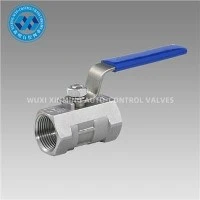
As a reputable supplier of WCB Butterfly Valves, I'm often asked about the maintenance interval for these essential components. Understanding the appropriate maintenance schedule is crucial for ensuring the long - term performance, reliability, and safety of the valves in various industrial applications.


Understanding the WCB Butterfly Valve
Before delving into the maintenance interval, it's important to understand what a WCB Butterfly Valve is. WCB is a common material for valve bodies, which is a carbon steel casting grade known for its good strength, ductility, and weldability. A butterfly valve is a type of valve that uses a disc mounted on a rotating shaft. When the valve is opened, the disc rotates to allow the flow of fluid, and when closed, it blocks the flow.
WCB Butterfly Valves are widely used in a variety of industries such as water treatment, chemical, power generation, and HVAC systems. They offer several advantages, including low cost, light weight, and quick operation, which make them a popular choice for flow control applications.
Factors Affecting the Maintenance Interval
The maintenance interval for WCB Butterfly Valves is not a one - size - fits - all concept. It depends on several factors:
1. Operating Conditions
The environment in which the valve operates plays a significant role in determining the maintenance schedule. For example, in industries where the fluid contains abrasive particles, such as mining or cement production, the valve experiences more wear and tear. The constant abrasion can damage the valve disc, seat, and shaft, reducing the valve's lifespan and increasing the need for more frequent maintenance.
On the other hand, in a relatively clean and stable environment, like a well - maintained water treatment plant, the valve may not require maintenance as often. Temperature and pressure also have an impact. High - temperature applications can cause material expansion and stress, while high - pressure situations put more strain on the valve components.
2. Frequency of Use
How often the valve is opened and closed affects its maintenance requirements. Valves that are used frequently, perhaps in a continuous - flow process, will experience more mechanical stress compared to those that are used only occasionally. For instance, in a manufacturing process where the valve is adjusted multiple times an hour, the internal components will wear out faster, necessitating more regular maintenance checks.
3. Type of Fluid
The nature of the fluid passing through the valve matters. Corrosive fluids, such as acids or alkalis, can gradually corrode the valve body, disc, and seat. This corrosion can lead to leaks, reduced flow control, and ultimately, valve failure. Even non - corrosive fluids can have an impact. Viscous fluids can cause more resistance to the valve's operation, increasing the load on the actuator and other components.
General Maintenance Intervals
Based on the above factors, we can provide some general guidelines for the maintenance interval of WCB Butterfly Valves:
1. Initial Inspection
After installation, it is recommended to conduct an initial inspection within the first month of operation. This inspection should include checking for proper alignment, tightness of bolts, and the smoothness of the valve's operation. Any issues found during this initial inspection can be addressed early, preventing more serious problems in the future.
2. Regular Visual Inspections
Visual inspections should be carried out at least every three to six months, depending on the operating conditions. During these inspections, look for signs of corrosion, leaks, damage to the valve body, or excessive wear on the disc and seat. Check the actuator for any signs of malfunction, such as unusual noises or slow response times.
3. Comprehensive Maintenance
A more comprehensive maintenance procedure, which may include disassembly, cleaning, lubrication, and replacement of worn parts, is typically recommended annually for most applications. However, in harsh operating conditions, this interval may need to be reduced to every six months or even more frequently.
If you are dealing with highly corrosive fluids or extremely abrasive particles, it is advisable to work closely with a valve expert to determine the most appropriate maintenance schedule.
Specific Maintenance Tasks
Regardless of the maintenance interval, certain tasks are commonly performed during valve maintenance:
1. Cleaning
Cleaning the valve is essential to remove any debris, sediment, or scale that may have accumulated on the valve components. This can be done using appropriate cleaning agents, depending on the type of fluid and the material of the valve. For example, a mild detergent may be sufficient for water - based applications, while more aggressive solvents may be required for removing stubborn deposits in chemical processes.
2. Lubrication
Lubricating the moving parts of the valve, such as the shaft and the actuator, helps to reduce friction and wear. Use a high - quality lubricant that is compatible with the valve material and the operating environment. Over - lubrication can attract dirt and debris, so it's important to use the right amount.
3. Seal and Gasket Replacement
Seals and gaskets are critical for preventing leaks. Check these components regularly and replace them at the first sign of damage or wear. Using high - quality replacement parts is crucial to ensure the long - term reliability of the valve.
4. Actuator Testing
If the valve is equipped with an actuator, test it to ensure proper operation. This may involve checking the electrical connections (for electric actuators) or the air pressure (for pneumatic actuators). Make sure the actuator can open and close the valve smoothly and accurately.
Our Product Offerings
As a leading supplier of WCB Butterfly Valves, we also offer a wide range of other high - quality butterfly valves to meet different customer needs. For example, you may be interested in our Efficient Pneumatic Flanged Butterfly Valve Accurate Fluid Regulation, which provides precise control over fluid flow. Our Ductile Iron Butterfly Valve offers excellent durability and corrosion resistance. And if you're looking for something new, our New Arrival Pneumatic Stainless Steel Wafer Butterfly Valve combines the latest technology with high - performance materials.
Conclusion
Determining the maintenance interval for WCB Butterfly Valves is a complex process that requires careful consideration of various factors. By understanding the operating conditions, frequency of use, and the type of fluid, you can develop a maintenance plan that ensures the optimal performance and longevity of your valves.
If you are in the market for high - quality butterfly valves or need more information about valve maintenance, we encourage you to contact us for procurement and further discussions. Our team of experts is ready to assist you in selecting the right valve for your application and providing you with detailed maintenance guidelines.