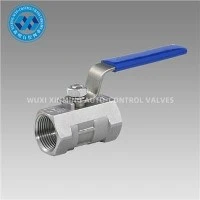
The pressure drop across a 110V solenoid valve is a critical parameter that significantly influences its performance and the overall efficiency of a fluid control system. As a leading supplier of 110V solenoid valves, understanding and explaining this concept is essential for our customers to make informed decisions when selecting the right valve for their applications.
Understanding Pressure Drop
Pressure drop, often denoted as ΔP, refers to the difference in pressure between the inlet and the outlet of a solenoid valve. It occurs due to the resistance that the fluid encounters as it flows through the valve. This resistance is caused by several factors, including the valve's internal geometry, the flow rate of the fluid, and the viscosity of the fluid itself.
In a solenoid valve, the pressure drop is primarily a result of the constriction of the flow path. When the valve is open, the fluid must pass through a narrow passage, which increases its velocity and reduces its pressure according to Bernoulli's principle. The greater the constriction, the higher the pressure drop.
Factors Affecting Pressure Drop in a 110V Solenoid Valve
- Valve Size and Design: The physical dimensions and internal design of the valve play a crucial role in determining the pressure drop. Smaller valves typically have a higher pressure drop because they offer less flow area for the fluid to pass through. Additionally, the shape of the valve's internal components, such as the orifice and the seat, can also affect the flow pattern and increase the resistance to flow.
- Flow Rate: The rate at which the fluid flows through the valve is directly proportional to the pressure drop. As the flow rate increases, the fluid experiences more resistance, resulting in a higher pressure drop. This relationship is described by the valve's flow coefficient, Cv, which is a measure of the valve's capacity to pass fluid at a given pressure drop.
- Fluid Properties: The viscosity and density of the fluid also influence the pressure drop. Viscous fluids, such as oils, have a higher resistance to flow and therefore cause a greater pressure drop compared to less viscous fluids, such as water. Similarly, denser fluids require more energy to move through the valve, resulting in a higher pressure drop.
- Valve Opening and Closing: The position of the valve, whether it is fully open, partially open, or closed, affects the pressure drop. When the valve is fully open, the pressure drop is minimized because the flow path is unrestricted. However, as the valve begins to close, the flow area decreases, and the pressure drop increases.
Importance of Pressure Drop in 110V Solenoid Valve Applications
Understanding the pressure drop across a 110V solenoid valve is crucial for several reasons:


- System Efficiency: A high pressure drop can lead to increased energy consumption and reduced system efficiency. In applications where energy efficiency is a priority, such as in industrial processes or HVAC systems, minimizing the pressure drop is essential to reduce operating costs.
- Flow Control: The pressure drop affects the flow rate of the fluid through the valve. By accurately predicting the pressure drop, engineers can ensure that the valve provides the desired flow rate for the application. This is particularly important in applications where precise flow control is required, such as in chemical dosing or fuel injection systems.
- Valve Selection: The pressure drop is a key factor in selecting the right solenoid valve for a specific application. Different applications have different pressure drop requirements, and choosing a valve with an appropriate Cv value is essential to ensure optimal performance.
Measuring and Calculating Pressure Drop
There are several methods for measuring and calculating the pressure drop across a 110V solenoid valve:
- Direct Measurement: The most accurate way to determine the pressure drop is to measure the pressure at the inlet and outlet of the valve using pressure sensors. The difference between these two pressures is the pressure drop.
- Calculation Based on Cv: The pressure drop can also be calculated using the valve's flow coefficient, Cv. The formula for calculating the pressure drop is:
ΔP = (Q / Cv)^2 * SG
where ΔP is the pressure drop in psi, Q is the flow rate in GPM, Cv is the flow coefficient, and SG is the specific gravity of the fluid.
Applications of 110V Solenoid Valves and Pressure Drop Considerations
- HVAC Systems: In heating, ventilation, and air conditioning systems, 110V solenoid valves are used to control the flow of refrigerant or water. The pressure drop across the valve can affect the system's efficiency and performance. For example, a high pressure drop in a refrigerant valve can lead to reduced cooling capacity and increased energy consumption.
- Industrial Automation: In industrial automation applications, solenoid valves are used to control the flow of fluids in various processes, such as chemical processing, food and beverage production, and automotive manufacturing. The pressure drop across the valve must be carefully considered to ensure accurate flow control and prevent damage to the equipment.
- Water Treatment: In water treatment plants, 110V solenoid valves are used to control the flow of water and chemicals. The pressure drop across the valve can affect the dosing accuracy and the overall efficiency of the treatment process.
Our 110V Solenoid Valve Offerings
As a supplier of 110V solenoid valves, we offer a wide range of products designed to meet the diverse needs of our customers. Our valves are manufactured using high-quality materials and advanced manufacturing techniques to ensure reliable performance and long service life.
We also provide detailed technical specifications and support to help our customers select the right valve for their applications. Whether you need a valve for a small-scale residential application or a large industrial project, we have the expertise and the products to meet your requirements.
In addition to our 110V solenoid valves, we also offer 220V Solenoid Valve for applications that require a higher voltage. Our Wholesale Precision Flow Control Pneumatic Solenoid Valve With Accessories and Mechanical Equipment Special, High Precision Pneumatic Air Control Solenoid Valve are designed to provide precise flow control and reliable operation in various pneumatic systems.
Conclusion
The pressure drop across a 110V solenoid valve is a complex phenomenon that is influenced by several factors. Understanding the pressure drop is essential for ensuring the efficient operation of fluid control systems and selecting the right valve for a specific application.
As a supplier of 110V solenoid valves, we are committed to providing our customers with high-quality products and technical support. If you have any questions or need assistance in selecting the right valve for your application, please do not hesitate to contact us for procurement discussions. We look forward to working with you to meet your solenoid valve needs.
References
- Crane Co., “Flow of Fluids Through Valves, Fittings, and Pipe,” Technical Paper 410.
- ASHRAE Handbook, “HVAC Systems and Equipment,” American Society of Heating, Refrigerating and Air-Conditioning Engineers.
- Instrumentation, Systems, and Automation Society (ISA), “ISA-75.01.01-2007 (R2012), Flow Equations for Sizing Control Valves.”