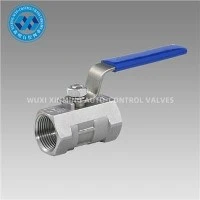
What is the Pressure Drop Across a WCB Ball Valve?
As a prominent supplier of WCB Ball Valves, I've encountered numerous queries about the pressure drop across these valves. Understanding this concept is crucial for anyone involved in fluid control systems, whether you're an engineer, a facility manager, or simply interested in valve technology. In this blog post, I'll delve into the intricacies of pressure drop in WCB Ball Valves and its implications for your operations.
Understanding Pressure Drop
Pressure drop, also known as pressure loss, refers to the decrease in fluid pressure that occurs as the fluid flows through a valve or any other component in a piping system. It is a result of the resistance encountered by the fluid as it moves through the valve's internal passages. This resistance is caused by factors such as friction between the fluid and the valve walls, changes in flow direction, and the presence of any obstructions or restrictions within the valve.
In the context of WCB Ball Valves, pressure drop is an important consideration because it can affect the overall performance of the system. Excessive pressure drop can lead to reduced flow rates, increased energy consumption, and potential damage to the valve or other components in the system. Therefore, it is essential to select a valve that minimizes pressure drop while still providing the necessary flow control.
Factors Affecting Pressure Drop in WCB Ball Valves
Several factors can influence the pressure drop across a WCB Ball Valve. These include:
- Valve Size: The size of the valve plays a significant role in determining the pressure drop. Generally, larger valves have lower pressure drops because they offer less resistance to fluid flow. When selecting a valve, it is important to choose a size that is appropriate for the flow rate and pressure requirements of the system.
- Valve Design: The design of the valve can also have a significant impact on pressure drop. Ball valves with a full port design, for example, typically have lower pressure drops than reduced port valves because they allow for a more unrestricted flow of fluid. Additionally, the shape and configuration of the valve's internal passages can affect the flow pattern and, consequently, the pressure drop.
- Flow Rate: The flow rate of the fluid through the valve is another important factor to consider. As the flow rate increases, so does the pressure drop. This is because the higher the flow rate, the greater the resistance encountered by the fluid as it moves through the valve. Therefore, it is important to select a valve that can handle the expected flow rate without causing excessive pressure drop.
- Fluid Properties: The properties of the fluid, such as its viscosity and density, can also affect the pressure drop. Fluids with higher viscosities or densities will typically experience greater pressure drops than those with lower viscosities or densities. This is because these fluids require more energy to flow through the valve due to their increased resistance.
Measuring and Calculating Pressure Drop
Measuring and calculating the pressure drop across a WCB Ball Valve is essential for ensuring the proper operation of the valve and the overall system. There are several methods that can be used to measure pressure drop, including:


- Pressure Gauges: Pressure gauges can be installed on either side of the valve to measure the inlet and outlet pressures. The pressure drop can then be calculated by subtracting the outlet pressure from the inlet pressure.
- Differential Pressure Transmitters: Differential pressure transmitters are devices that measure the difference in pressure between two points in a system. They can be used to directly measure the pressure drop across a valve.
- Flow Meters: Flow meters can be used to measure the flow rate of the fluid through the valve. By knowing the flow rate and the pressure drop, it is possible to calculate the valve's flow coefficient (Cv), which is a measure of the valve's ability to pass fluid.
In addition to measuring pressure drop, it is also possible to calculate it using mathematical equations. The most commonly used equation for calculating pressure drop in a valve is the Darcy-Weisbach equation, which takes into account factors such as the fluid velocity, pipe diameter, and friction factor. However, this equation can be complex and may require the use of specialized software or tables.
Minimizing Pressure Drop in WCB Ball Valves
To minimize pressure drop in WCB Ball Valves, it is important to consider the following strategies:
- Select the Right Valve Size: As mentioned earlier, choosing the appropriate valve size is crucial for minimizing pressure drop. A valve that is too small for the flow rate and pressure requirements of the system will cause excessive pressure drop, while a valve that is too large may be unnecessary and expensive.
- Choose a Full Port Valve: Full port valves offer less resistance to fluid flow than reduced port valves and, therefore, typically have lower pressure drops. If possible, select a full port valve for your application.
- Optimize the System Design: The design of the entire piping system can also affect the pressure drop across the valve. For example, minimizing the number of bends, elbows, and other fittings in the system can reduce the overall resistance to fluid flow and, consequently, the pressure drop.
- Maintain the Valve Properly: Regular maintenance of the valve is essential for ensuring its optimal performance. This includes cleaning the valve, lubricating the moving parts, and checking for any signs of wear or damage. A well-maintained valve will have lower pressure drops and a longer service life.
Applications and Considerations
WCB Ball Valves are widely used in a variety of industries and applications, including oil and gas, chemical processing, water treatment, and power generation. In each of these applications, the pressure drop across the valve can have a significant impact on the system's performance and efficiency.
For example, in an oil and gas pipeline, excessive pressure drop can result in reduced flow rates, which can lead to decreased production and increased operating costs. In a chemical processing plant, pressure drop can affect the accuracy of flow measurements and the efficiency of chemical reactions. In a water treatment facility, pressure drop can impact the effectiveness of filtration and disinfection processes.
When selecting a WCB Ball Valve for a specific application, it is important to consider the following factors:
- System Requirements: The pressure, temperature, and flow rate requirements of the system will determine the size and type of valve that is needed. Make sure to choose a valve that can handle the expected operating conditions.
- Fluid Compatibility: The valve must be compatible with the fluid that it will be handling. This includes considering the chemical composition, viscosity, and temperature of the fluid.
- Installation and Maintenance: The valve should be easy to install and maintain. Make sure to follow the manufacturer's installation instructions and perform regular maintenance to ensure the valve's optimal performance.
Our WCB Ball Valve Offerings
At our company, we offer a wide range of WCB Ball Valves to meet the diverse needs of our customers. Our valves are available in various sizes, designs, and configurations to ensure that we can provide the right solution for your application.
Some of our popular WCB Ball Valve products include:
- Tee High Platform Stainless Steel T-L-type Pneumatic Ball Valve: This valve is designed for use in high-pressure and high-temperature applications. It features a stainless steel construction and a pneumatic actuator for easy operation.
- 3PC Thread Ball Valve: This valve is a three-piece design that offers easy maintenance and repair. It is suitable for a wide range of applications, including water, oil, and gas.
- 2PC Thread Ball Valve: This valve is a two-piece design that is compact and easy to install. It is commonly used in residential and commercial plumbing applications.
Conclusion
In conclusion, understanding the pressure drop across a WCB Ball Valve is essential for ensuring the proper operation and efficiency of your fluid control system. By considering the factors that affect pressure drop, measuring and calculating it accurately, and implementing strategies to minimize it, you can optimize the performance of your system and reduce operating costs.
If you have any questions or need further information about our WCB Ball Valves or pressure drop in general, please don't hesitate to contact us. We are here to help you find the right solution for your application and provide you with the support and expertise you need to succeed.
References
- Crane Co. "Flow of Fluids Through Valves, Fittings, and Pipe." Technical Paper No. 410.
- ASME B31.3-2018, "Process Piping."
- API 6D-2021, "Pipeline Valves - Specification for Ball, Gate, and Check Valves."