As a seasoned supplier of 220V solenoid valves, I've encountered numerous inquiries about the pressure range of these essential components. Solenoid valves are electromechanically operated devices that control the flow of liquids or gases. A 220V solenoid valve, specifically, is designed to operate on a 220-volt electrical supply, a common voltage in many industrial and commercial settings. Understanding the pressure range of a 220V solenoid valve is crucial for ensuring its proper function and longevity in various applications.
Factors Influencing Pressure Range
The pressure range of a 220V solenoid valve is determined by several factors. Firstly, the design and construction of the valve play a significant role. Different valve types, such as direct-acting, pilot-operated, or semi-direct-acting, have varying pressure capabilities. Direct-acting solenoid valves are typically suitable for low to medium pressure applications. They operate by directly opening or closing the valve seat using the electromagnetic force generated by the solenoid coil. These valves can usually handle pressures up to around 10 bar, making them ideal for applications like small water systems or pneumatic control circuits with relatively low pressure requirements.
Pilot-operated solenoid valves, on the other hand, are designed for high-pressure applications. They use the pressure of the fluid or gas being controlled to assist in opening and closing the valve. This design allows them to handle much higher pressures, often up to 100 bar or more. However, pilot-operated valves require a minimum pressure differential to operate correctly. This means that there must be a certain pressure difference between the inlet and outlet of the valve for it to function properly.
Another factor that affects the pressure range is the material used in the valve's construction. Valves made from high-strength materials such as stainless steel or brass can withstand higher pressures compared to those made from plastic or other less durable materials. The quality of the seals and gaskets also plays a crucial role. High-quality seals are essential for preventing leaks and ensuring that the valve can maintain its pressure integrity over time.
Typical Pressure Ranges
In general, the pressure range of a 220V solenoid valve can vary widely depending on its type and intended application. For small, direct-acting solenoid valves used in domestic or light industrial applications, the pressure range might typically be from 0 to 10 bar. These valves are commonly used in applications such as water dispensers, irrigation systems, and small pneumatic actuators.
Medium-sized pilot-operated solenoid valves, which are often used in industrial automation and process control, can handle pressures ranging from 10 to 50 bar. These valves are suitable for applications such as controlling the flow of compressed air in pneumatic systems, regulating the flow of water in industrial pipelines, or controlling the flow of various gases in chemical processing plants.
Large, heavy-duty solenoid valves designed for high-pressure applications can have a pressure range of 50 to 100 bar or even higher. These valves are typically used in applications such as hydraulic systems, high-pressure gas pipelines, and oil and gas processing facilities.
Importance of Choosing the Right Pressure Range
Selecting the appropriate pressure range for a 220V solenoid valve is essential for several reasons. Firstly, using a valve with a pressure rating that is too low for the application can lead to valve failure. If the pressure exceeds the valve's maximum rating, it can cause the valve to leak, malfunction, or even burst, which can result in significant damage to the system and pose a safety hazard.

On the other hand, using a valve with a pressure rating that is much higher than required can be costly and inefficient. High-pressure valves are typically more expensive and may have larger dimensions and higher power consumption compared to valves designed for lower pressures. Therefore, it is important to accurately assess the pressure requirements of the application and choose a valve with an appropriate pressure range.
Our Product Offerings
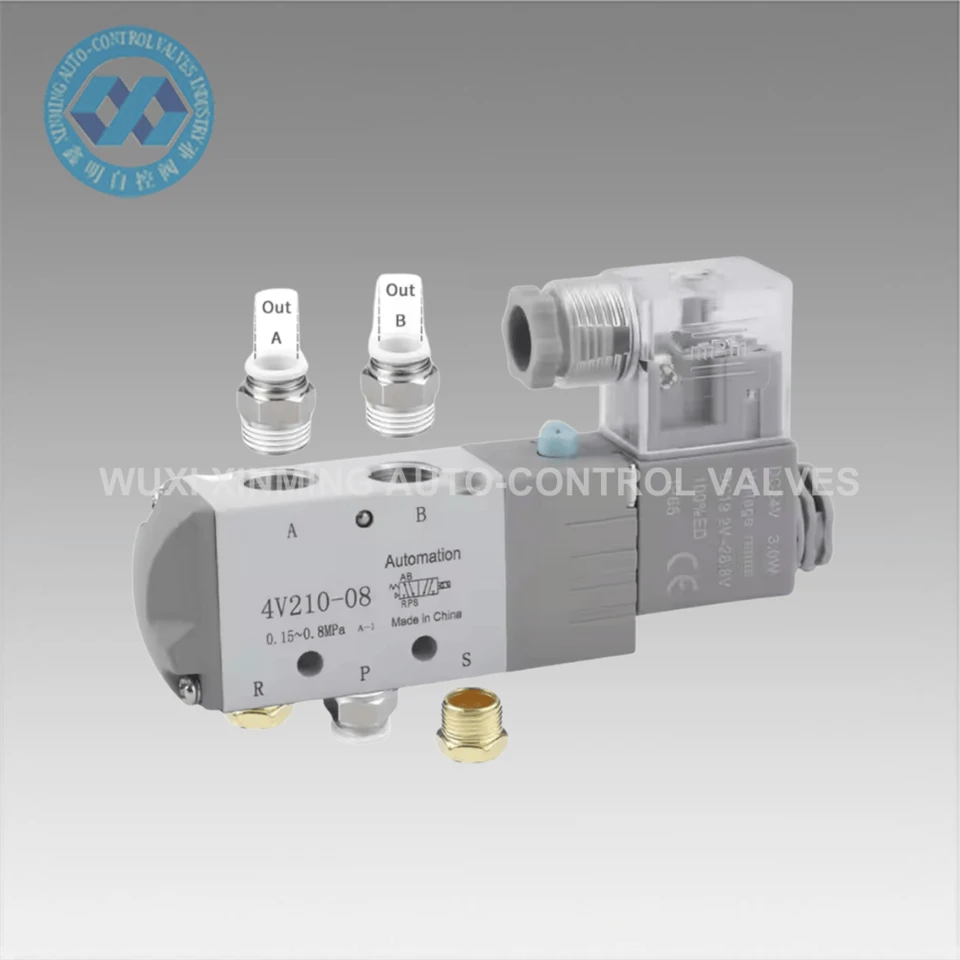
As a supplier of 220V solenoid valves, we offer a wide range of products to meet the diverse needs of our customers. Our High Stability Pneumatic Air Control Solenoid Valve is designed for precise control of pneumatic systems. It has a medium pressure range, making it suitable for a variety of industrial applications. This valve features high stability and reliability, ensuring consistent performance even in demanding environments.
Our Pneumatic Solenoid Valve 5 Way 2-position Control Air 12V 24V is another popular product. Although it is available in 12V and 24V options, we also offer a 220V version for customers who require a higher voltage supply. This valve is designed for 5-way, 2-position control of compressed air, providing flexible and efficient control in pneumatic systems. It has a pressure range that is suitable for most general industrial pneumatic applications.
For high-pressure applications, we offer the 14 Compressed Air Compressor Pneumatic Control Solenoid Valve Airtac Type 52 Directional Valve, With Accessory Kit. This heavy-duty valve is capable of handling high pressures and is designed for use in compressed air systems and other high-pressure applications. It comes with an accessory kit, providing everything you need for easy installation and operation.
Contact Us for Your Solenoid Valve Needs
If you are in the market for a 220V solenoid valve, it is important to choose a reliable supplier who can provide you with high-quality products and expert advice. As a leading supplier of solenoid valves, we have the knowledge and experience to help you select the right valve for your application. Whether you need a valve for a small domestic project or a large industrial installation, we can provide you with the solutions you need.
We understand that every application is unique, and we are committed to providing customized solutions to meet your specific requirements. Our team of experts is available to answer your questions and provide you with technical support. If you have any questions about the pressure range of our 220V solenoid valves or need help selecting the right valve for your application, please do not hesitate to contact us. We look forward to working with you to find the perfect solenoid valve solution for your needs.
References
- "Solenoid Valves: Theory, Selection, and Application" by Robert J. Perry
- "Industrial Pneumatic Systems: Design, Installation, and Maintenance" by Peter A. Nash
- Manufacturer's specifications and technical documentation for solenoid valves.