

Ensuring the safety of flange ball valves in a power plant is of paramount importance. As a seasoned supplier of flange ball valves, I understand the critical role these components play in the overall operation and safety of power generation facilities. In this blog, I will share some key strategies and considerations to guarantee the safety of flange ball valves in power plants.
Understanding the Operating Environment in Power Plants
Power plants operate in a harsh and demanding environment. High temperatures, high pressures, and the presence of various corrosive and abrasive substances are common challenges. Flange ball valves must be able to withstand these conditions without compromising their performance or safety. For instance, in a thermal power plant, steam at extremely high temperatures and pressures flows through the pipelines. A flange ball valve in this system needs to have excellent heat resistance and pressure - bearing capacity.
Material Selection
The choice of materials for flange ball valves is the first step in ensuring their safety. For power plants, stainless steel is often a preferred material due to its corrosion resistance. Our Stainless Steel Pneumatic Ball Valve With Internal Thread is designed with high - quality stainless steel that can resist the corrosion caused by water, steam, and some chemical substances commonly found in power plants.
In addition to stainless steel, other materials such as alloy steel can be used in high - pressure and high - temperature applications. These materials have better mechanical properties and can withstand more extreme conditions. When selecting materials, it is essential to consider the specific requirements of the power plant, including the type of fluid, temperature, pressure, and the presence of any corrosive agents.
Valve Design and Manufacturing
Proper design and high - quality manufacturing are crucial for the safety of flange ball valves. The valve should be designed to provide a tight seal to prevent leakage. A well - designed ball valve has a smooth ball surface and a precise seat that can ensure a reliable shut - off function.
Our manufacturing process adheres to strict quality control standards. We use advanced machining techniques to ensure the dimensional accuracy of the valve components. For example, the ball of the valve is precisely machined to have a perfect spherical shape, which allows for smooth rotation and a tight seal with the seat. Additionally, the flange connections are designed to meet industry standards, ensuring a secure and leak - free installation.
Installation and Commissioning
Correct installation and commissioning are vital steps in ensuring the safety of flange ball valves. During installation, it is necessary to follow the manufacturer's instructions carefully. The valve should be installed in the correct orientation, and the flange connections should be tightened evenly to prevent any misalignment or leakage.
Commissioning involves testing the valve to ensure its proper operation. This includes checking the valve's opening and closing functions, as well as its sealing performance. Any issues detected during commissioning should be addressed immediately to avoid potential safety hazards. For example, if the valve does not close tightly, it may lead to fluid leakage, which can be dangerous in a power plant environment.
Regular Maintenance and Inspection
Regular maintenance and inspection are essential for the long - term safety of flange ball valves. A maintenance schedule should be established based on the operating conditions of the power plant. This may include tasks such as lubricating the valve stem, checking the integrity of the seals, and inspecting the valve body for any signs of wear or damage.
Inspection can be carried out visually or using non - destructive testing methods. For example, ultrasonic testing can be used to detect internal defects in the valve body. By identifying and addressing potential problems early, the risk of valve failure can be significantly reduced.
Safety Features and Upgrades
In addition to the basic design and maintenance, adding safety features and upgrades can further enhance the safety of flange ball valves. For example, our Pneumatic Explosion - Proof Ball Valve is equipped with explosion - proof features, which are particularly important in power plants where there is a risk of explosion due to the presence of flammable gases or vapors.
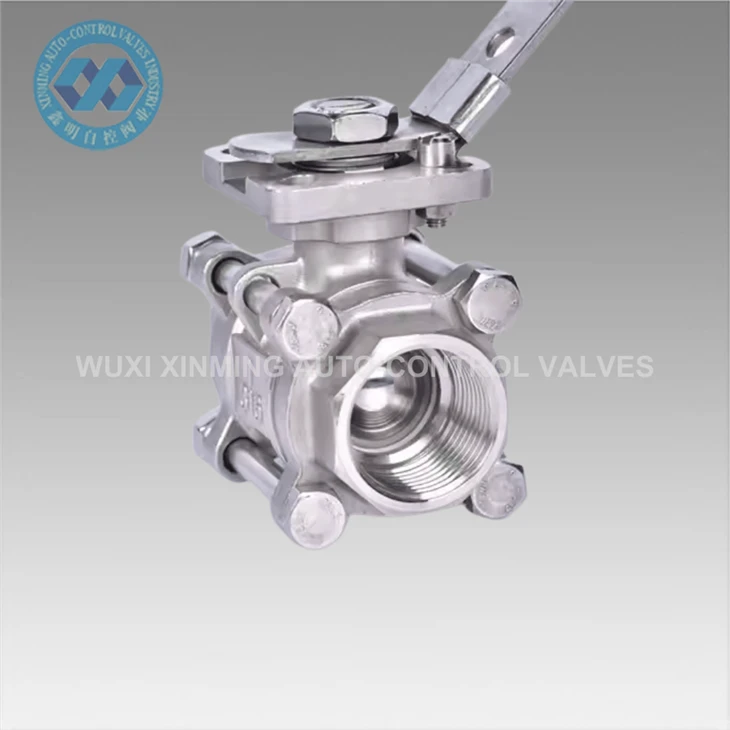
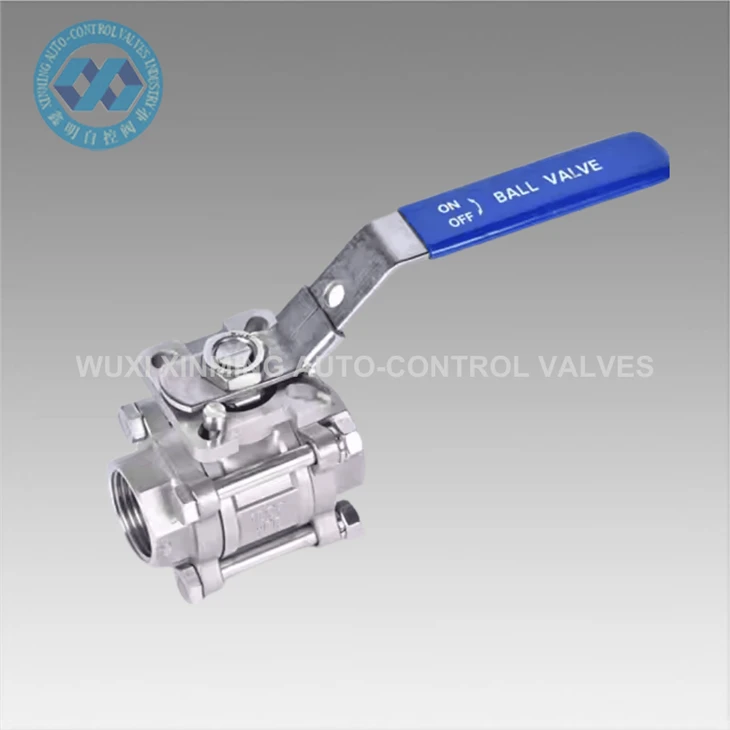
Upgrading the valve's control system can also improve safety. A modern control system can provide real - time monitoring of the valve's status, allowing operators to detect and respond to any abnormal conditions promptly.
Training and Education
Proper training and education of the power plant personnel are essential for ensuring the safe operation of flange ball valves. Operators should be trained on the correct installation, operation, maintenance, and inspection procedures of the valves. They should also be aware of the potential safety hazards associated with valve failure and how to respond in case of an emergency.
Compatibility with Other Components
Flange ball valves do not operate in isolation. They are part of a larger piping system in the power plant. Therefore, it is important to ensure the compatibility of the valve with other components such as pipes, pumps, and control systems. For example, the valve's flow rate and pressure ratings should be compatible with the overall system requirements. If there is a mismatch, it may lead to abnormal operating conditions and potential safety risks.
Monitoring and Diagnostic Tools
Using advanced monitoring and diagnostic tools can help in detecting potential problems with flange ball valves before they lead to a failure. For example, sensors can be installed on the valve to monitor parameters such as temperature, pressure, and vibration. Any changes in these parameters can indicate a problem with the valve, such as excessive wear or a leak.
Our High Performance Pneumatic Thread Ball Valve can be integrated with such monitoring systems, providing real - time data to the power plant operators. This allows for proactive maintenance and reduces the risk of unexpected valve failures.
Conclusion
Ensuring the safety of flange ball valves in a power plant requires a comprehensive approach. From material selection and design to installation, maintenance, and the use of safety features and monitoring tools, every step is crucial. As a flange ball valve supplier, we are committed to providing high - quality products and technical support to help power plants maintain the safety and reliability of their valve systems.
If you are in the power plant industry and are looking for reliable flange ball valves or need more information on valve safety, please feel free to contact us for procurement and further discussion. Our team of experts is ready to assist you in finding the most suitable solutions for your specific needs.
References
- ASME Boiler and Pressure Vessel Code
- API (American Petroleum Institute) Standards for Valves
- ISO (International Organization for Standardization) Standards related to Valves




