As a trusted supplier of WCB Butterfly Valves, I'm often asked about the proper way to manually operate these valves. In this blog, I'll provide a comprehensive guide on how to do just that, ensuring that you can handle your WCB Butterfly Valve effectively and safely.
Understanding the WCB Butterfly Valve
Before diving into the operation, it's crucial to understand what a WCB Butterfly Valve is. WCB stands for "Wrought Carbon B," which is a common material used in valve manufacturing. The butterfly valve itself is a type of quarter - turn valve that uses a disk (the "butterfly") to control the flow of fluid through a pipe. When the disk is parallel to the flow, the valve is open, allowing maximum flow. When it's perpendicular, the valve is closed, blocking the flow.
Pre - operation Checks
Before attempting to manually operate a WCB Butterfly Valve, a series of pre - operation checks should be conducted:
- Visual Inspection: Check the valve body for any signs of damage, such as cracks or dents. Inspect the stem and the disk for any visible wear or misalignment.
- Lubrication: Ensure that the valve's moving parts are properly lubricated. Lack of lubrication can cause the valve to operate stiffly or even seize up.
- Position Indicator: Confirm that the position indicator on the valve accurately reflects the actual position of the disk. This helps you to know whether the valve is open or closed.
Tools Required for Manual Operation
In most cases, manual operation of a WCB Butterfly Valve can be done without additional tools. However, some larger valves may require a valve key or a handwheel extension. Make sure you have the appropriate tools on hand before you start.
Step - by - Step Manual Operation
- Determine the Valve's Current Position
- First, look at the position indicator on the valve. If it shows that the valve is fully open, the disk is parallel to the flow of the fluid. If it's fully closed, the disk is perpendicular.
- In some cases, the position indicator may be inaccurate. You can also try to gently turn the handwheel to feel if there is resistance. If there is little resistance, the valve is likely open. If there is significant resistance and it's difficult to turn, the valve may be closed.
- Opening the Valve
- Stand in a stable position in front of the valve. Grasp the handwheel firmly.
- For a clockwise - closing valve (the most common type), turn the handwheel counter - clockwise. Start turning slowly, and you'll feel the resistance gradually decrease as the disk begins to move.
- Continue turning until the handwheel stops. This indicates that the valve is fully open. You can double - check by looking at the position indicator.
- Closing the Valve
- To close the valve, turn the handwheel in the opposite direction (clockwise for a clockwise - closing valve).
- As you turn, you'll notice the resistance increasing. This is normal as the disk is moving towards the closed position.
- Keep turning until the handwheel can no longer be turned. At this point, the valve is fully closed.
Tips for Safe Manual Operation
- Do Not Over - Tighten: When closing the valve, do not apply excessive force to the handwheel. Over - tightening can damage the valve's internal components, such as the seat or the disk.
- Wear Appropriate Safety Gear: If you're operating the valve in an industrial environment, wear safety glasses, gloves, and appropriate footwear to protect yourself from any potential hazards.
- Be Aware of the Fluid Flow: Before operating the valve, understand the nature of the fluid flowing through the pipe. If it's a hazardous fluid, take extra precautions to ensure your safety.
Maintenance During Manual Operation
Regular maintenance during manual operation can extend the lifespan of your WCB Butterfly Valve:
- Cleaning: After each operation, wipe down the valve body and the handwheel to remove any dirt or debris. This helps prevent corrosion and ensures smooth operation.
- Lubrication Checks: Periodically check the lubrication of the valve's moving parts. If the valve starts to operate stiffly, add more lubricant as needed.
- Inspect for Leaks: After opening or closing the valve, check for any signs of leaks around the valve body, stem, or connections. If you notice a leak, address it immediately.
Applications and Complementary Products
WCB Butterfly Valves are widely used in various industries, such as water treatment, chemical processing, and power generation. If you're looking for more specialized valves, we also offer a range of complementary products. For instance, our [2 - inch Stainless Steel High - temperature Steam Explosion - proof Butterfly Valve](/butterfly - valve/2 - inch - stainless - steel - high - temperature - steam.html) is designed for high - temperature and high - pressure steam applications. It provides excellent explosion - proof performance, ensuring safety in demanding environments.
If you prefer automated operation, our [Electrical Butterfly Valve](/butterfly - valve/electrical - butterfly - valve.html) is a great choice. It can be easily integrated into control systems, allowing for remote operation and precise flow control.
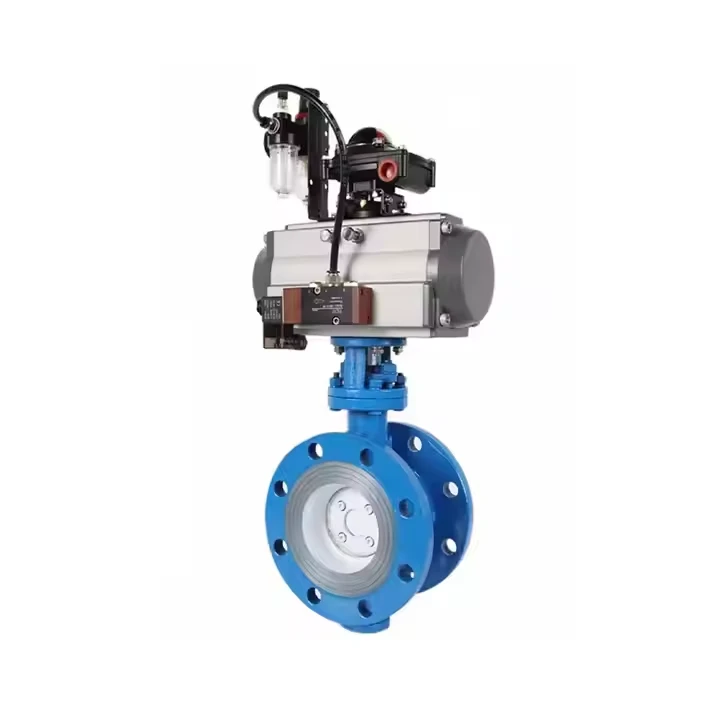
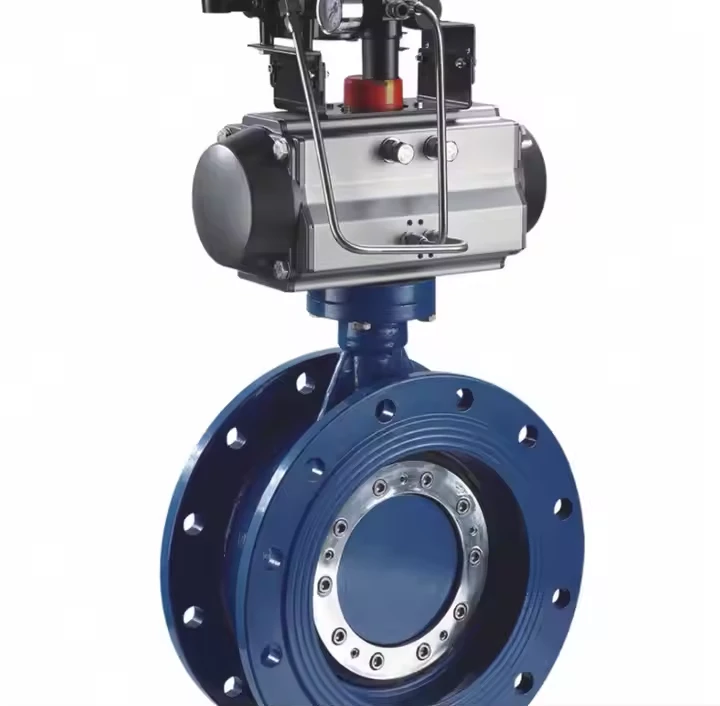
For applications that require high - performance and tight shut - off, our [Triple Eccentric Pneumatic Butterfly Valve](/butterfly - valve/factory - direct - high - temperature - and - high.html) is the ideal solution. It features a unique triple - eccentric design that reduces friction and wear, providing long - term reliability.
Contact Us for Purchase and Negotiation
If you're interested in purchasing WCB Butterfly Valves or any of our other products, we encourage you to contact us for further negotiation. Our team of experts is ready to assist you in selecting the right valve for your specific needs, providing detailed product information, and offering competitive pricing. Whether you're a small - scale user or a large - scale industrial enterprise, we can meet your requirements.
References
- Valve Handbook: A Guide to Selection, Specification, and Application.
- ASME Standards for Valve Design and Operation.
- Manufacturer's Manual for WCB Butterfly Valves.