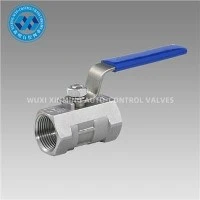
When it comes to industrial applications, 110V solenoid valves are a popular choice for controlling the flow of liquids and gases. As a reliable 110V solenoid valve supplier, I often receive inquiries about the temperature range suitable for these valves. Understanding the appropriate temperature range is crucial for ensuring the optimal performance and longevity of the solenoid valves. In this blog post, I will delve into the factors that determine the temperature range of 110V solenoid valves and provide some insights to help you make informed decisions.
Factors Affecting the Temperature Range
The temperature range of a 110V solenoid valve is influenced by several key factors, including the materials used in its construction, the type of fluid or gas being controlled, and the specific design of the valve. Let's take a closer look at each of these factors:
Material Selection
The materials used in the construction of the solenoid valve play a significant role in determining its temperature tolerance. Different materials have different thermal properties, such as melting points, coefficients of thermal expansion, and resistance to thermal degradation. For example, valves made from brass or stainless steel generally have a higher temperature tolerance compared to those made from plastic or rubber. These metals can withstand higher temperatures without deforming or losing their structural integrity.
Fluid or Gas Characteristics
The type of fluid or gas being controlled by the solenoid valve also affects its temperature range. Some fluids, such as water and air, have relatively low boiling points and do not pose significant temperature challenges. However, other fluids, such as high-temperature oils, steam, or corrosive chemicals, require valves that can withstand extreme temperatures and chemical reactions. In these cases, special materials and coatings may be necessary to ensure the valve's compatibility with the fluid or gas.
Valve Design
The design of the solenoid valve can also impact its temperature performance. Valves with a compact design and efficient heat dissipation mechanisms are better able to handle high temperatures. Additionally, the type of coil used in the solenoid valve can affect its temperature range. Coils with a high temperature rating and good insulation properties are more suitable for applications where the valve is exposed to elevated temperatures.
Typical Temperature Ranges
Based on the factors mentioned above, the temperature range for 110V solenoid valves can vary widely. In general, most standard 110V solenoid valves are designed to operate within a temperature range of -20°C to 80°C (-4°F to 176°F). This range is suitable for a wide variety of applications, including HVAC systems, water treatment plants, and industrial automation processes.
However, for applications that require the valve to operate at higher or lower temperatures, special valves are available. High-temperature solenoid valves can typically handle temperatures up to 200°C (392°F) or even higher, depending on the materials and design. These valves are commonly used in applications such as steam control, hot oil systems, and industrial ovens.

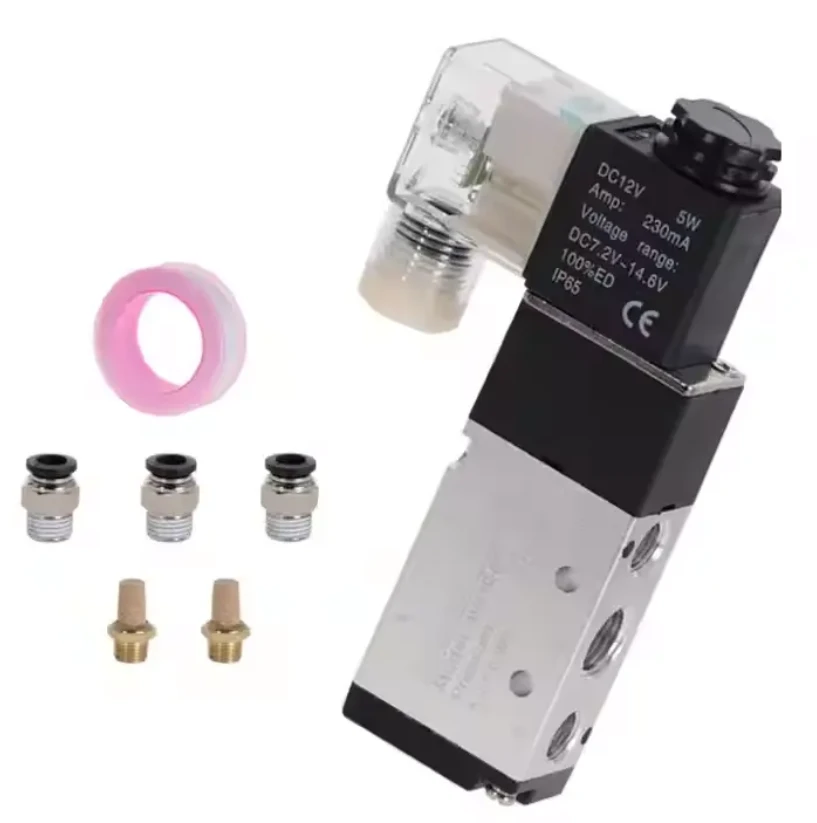
On the other hand, low-temperature solenoid valves are designed to operate in cold environments, with temperature ranges as low as -40°C (-40°F). These valves are often used in refrigeration systems, cryogenic applications, and outdoor installations where the temperature can drop significantly.
Applications and Considerations
When selecting a 110V solenoid valve for a specific application, it is important to consider the temperature requirements of the system. Here are some common applications and the corresponding temperature considerations:
HVAC Systems
In HVAC systems, solenoid valves are used to control the flow of refrigerant, water, or air. The temperature range for these valves typically falls within the standard range of -20°C to 80°C (-4°F to 176°F). However, in some cases, such as in commercial or industrial HVAC systems, the valves may need to operate at higher temperatures to handle the heat generated by the system.
Water Treatment Plants
Water treatment plants use solenoid valves to control the flow of water, chemicals, and sludge. The temperature range for these valves depends on the specific process and the type of chemicals being used. In general, the valves should be able to withstand temperatures up to 80°C (176°F) and be resistant to corrosion and chemical damage.
Industrial Automation
Industrial automation processes often require solenoid valves to control the flow of fluids or gases in various manufacturing operations. The temperature range for these valves can vary depending on the application. For example, in food and beverage processing, the valves may need to operate at temperatures up to 100°C (212°F) to ensure proper sanitation. In other industries, such as automotive manufacturing or aerospace, the valves may need to withstand even higher temperatures.
Oil and Gas Industry
In the oil and gas industry, solenoid valves are used in a variety of applications, including wellhead control, pipeline transportation, and refinery processes. These applications often involve high-pressure and high-temperature fluids, such as crude oil, natural gas, and steam. As a result, the valves used in this industry must be able to withstand extreme temperatures and pressures. High-temperature solenoid valves with temperature ranges up to 200°C (392°F) or higher are commonly used in these applications.
Choosing the Right Solenoid Valve
To ensure the proper selection of a 110V solenoid valve for your application, it is important to consider the following factors:
Temperature Requirements
Determine the maximum and minimum temperatures that the valve will be exposed to in your application. This will help you select a valve with a suitable temperature range.
Fluid or Gas Compatibility
Consider the type of fluid or gas being controlled by the valve and its chemical properties. Make sure the valve is made from materials that are compatible with the fluid or gas to prevent corrosion, leakage, or other issues.
Pressure Rating
In addition to temperature, the pressure rating of the solenoid valve is also an important consideration. Make sure the valve can handle the maximum pressure that will be present in your system.
Valve Size and Flow Rate
Select a valve with the appropriate size and flow rate for your application. The valve should be able to handle the required flow of fluid or gas without causing excessive pressure drops or flow restrictions.
Certification and Standards
Look for solenoid valves that are certified to meet relevant industry standards, such as ISO, ASME, or CE. These certifications ensure that the valve has been tested and meets the required quality and safety standards.
Our Product Range
As a leading 110V solenoid valve supplier, we offer a wide range of valves to meet the diverse needs of our customers. Our product portfolio includes Single And Double Acting Pneumatic Actuator Solenoid Valve, High Stability Pneumatic Air Control Solenoid Valve, and Pneumatic Solenoid Valve 5 Way 2-position Control Air 12V 24V. These valves are designed to provide reliable performance in a variety of applications, including industrial automation, HVAC systems, and water treatment plants.
Our solenoid valves are available in different temperature ranges to suit your specific requirements. Whether you need a valve for a standard application or a high-temperature or low-temperature environment, we have the right solution for you. Our valves are made from high-quality materials and are rigorously tested to ensure their durability and performance.
Contact Us for Procurement
If you are interested in purchasing 110V solenoid valves for your application, we invite you to contact us for procurement discussions. Our team of experts will be happy to assist you in selecting the right valve for your needs and providing you with a competitive quote. We are committed to providing our customers with high-quality products, excellent customer service, and timely delivery.
References
- ASME Boiler and Pressure Vessel Code
- ISO 9001:2015 Quality Management Systems
- CE Certification Guidelines