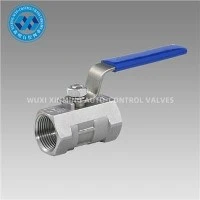
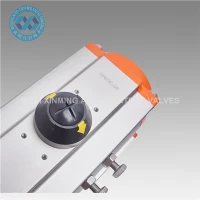
Hey there! As a supplier of AT Pneumatic Actuators, I often get asked about the mounting method of these nifty devices. So, I thought I'd take some time to break it down for you in this blog post.
First off, let's understand what an AT Pneumatic Actuator is. It's a device that uses compressed air to generate mechanical motion. These actuators are super versatile and are used in a wide range of industries, from manufacturing to automation. They can control valves, dampers, and other mechanical components, making them an essential part of many systems.
Now, let's dive into the mounting methods. There are a few different ways to mount an AT Pneumatic Actuator, and the choice depends on the specific application and the requirements of your system.
Direct Mounting
One of the most common mounting methods is direct mounting. This involves attaching the actuator directly to the valve or the device it's meant to control. The process is relatively straightforward. First, you need to make sure that the mounting surface of the valve and the actuator are clean and free of any debris. Then, align the holes on the actuator with the holes on the valve. You can use bolts or screws to secure the actuator in place. Make sure to tighten the bolts evenly to prevent any misalignment.
Direct mounting is great because it provides a stable and secure connection between the actuator and the valve. It also reduces the amount of space required, which is a big plus in tight spaces. However, it's important to note that the valve and the actuator need to be compatible in terms of size and mounting pattern.
Bracket Mounting
If direct mounting isn't an option, bracket mounting is another popular choice. With bracket mounting, you use a bracket to attach the actuator to the valve or the structure. The bracket acts as an intermediary between the actuator and the valve, allowing for more flexibility in terms of positioning.
To mount the actuator using a bracket, first, attach the bracket to the valve or the structure. Make sure the bracket is securely fastened. Then, attach the actuator to the bracket using bolts or screws. The advantage of bracket mounting is that it allows you to adjust the position of the actuator easily. This can be useful if you need to make some fine-tuning to the alignment or if the valve and the actuator have different mounting patterns.
Bracket mounting also provides some isolation between the actuator and the valve, which can help reduce vibrations and noise. However, it does add some extra weight and complexity to the system.
Flange Mounting
Flange mounting is commonly used in applications where a high level of sealing is required. In flange mounting, the actuator is attached to the valve using a flange. The flange provides a large contact area between the actuator and the valve, which helps to create a tight seal.

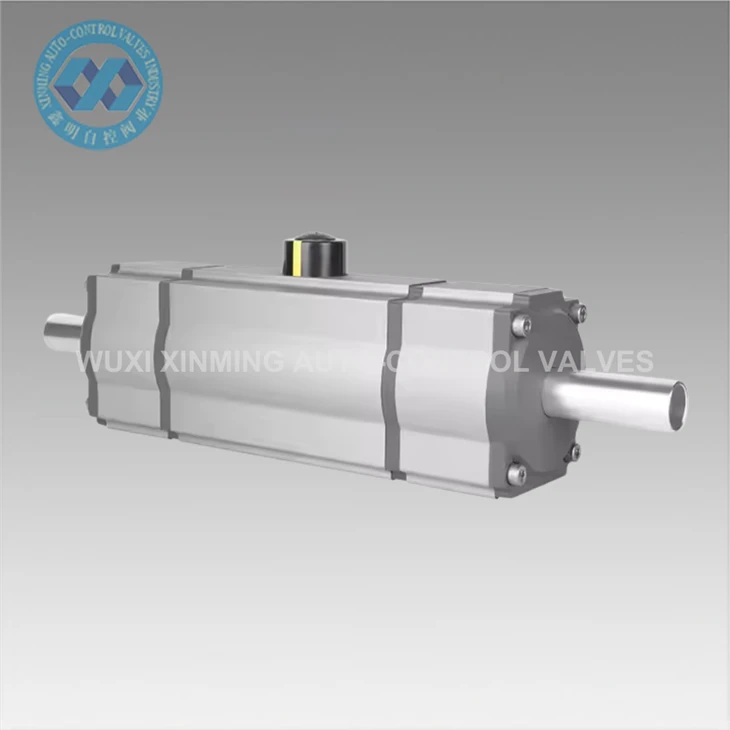
To mount the actuator using a flange, first, align the flange on the actuator with the flange on the valve. Then, use bolts to secure the flanges together. Make sure to use the correct type and size of bolts, and tighten them evenly to ensure a proper seal. Flange mounting is often used in applications where there is a risk of leakage, such as in pipelines carrying fluids or gases.
Mounting Considerations
Regardless of the mounting method you choose, there are a few important considerations to keep in mind. First, make sure to follow the manufacturer's instructions. The manufacturer will provide specific guidelines on how to mount the actuator safely and correctly.
Second, consider the orientation of the actuator. The actuator should be mounted in a way that allows for easy access to the control ports and the adjustment screws. This will make it easier to operate and maintain the actuator.
Third, think about the environment in which the actuator will be operating. If the environment is harsh, such as in a high-temperature or high-humidity area, you may need to take additional precautions to protect the actuator. For example, you may need to use a protective cover or a coating to prevent corrosion.
Types of AT Pneumatic Actuators
There are different types of AT Pneumatic Actuators, and each type may have slightly different mounting requirements. For example, the Double Acting Pneumatic Actuator uses compressed air to move the actuator in both directions. When mounting a double-acting actuator, you need to make sure that the air supply lines are connected correctly.
The High-Performance Pneumatic Actuators For Demanding Automation Tasks are designed to handle more demanding applications. These actuators may require a more robust mounting method to ensure they can withstand the high forces and pressures.
The Rt063d Pneumatic Actuator is a specific model that may have its own unique mounting requirements. Always refer to the product manual for detailed instructions.
Conclusion
In conclusion, the mounting method of an AT Pneumatic Actuator depends on the specific application and the requirements of your system. Direct mounting, bracket mounting, and flange mounting are all viable options, each with its own advantages and disadvantages.
If you're in the market for an AT Pneumatic Actuator or have any questions about mounting methods, don't hesitate to reach out. We're here to help you find the right solution for your needs. Whether you're a small business or a large corporation, we can provide you with high-quality actuators and expert advice on installation and maintenance. So, let's start a conversation and see how we can work together to meet your automation needs.
References
- Manufacturer's manuals for AT Pneumatic Actuators
- Industry standards for pneumatic actuator mounting