Hey there! As a supplier of WCB Ball Valves, I often get asked about the valve seat leakage rate of these valves. So, I thought I'd take a few minutes to break it down for you.
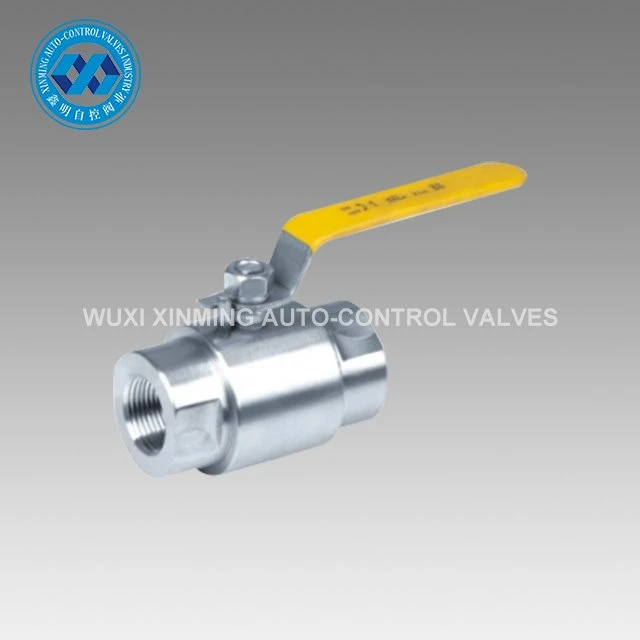
First off, let's talk about what a WCB Ball Valve is. WCB stands for "Wrought Carbon Steel, B grade." It's a common material used in the manufacturing of ball valves because it's strong, durable, and can withstand high pressures and temperatures. A ball valve, as the name suggests, uses a ball to control the flow of fluid through the valve. When the ball is turned, it either allows the fluid to pass through or blocks it.
Now, the valve seat leakage rate is a crucial factor when it comes to the performance of a ball valve. It refers to the amount of fluid that can leak past the valve seat when the valve is in the closed position. This leakage can occur due to a variety of reasons, such as improper installation, wear and tear, or damage to the valve seat.
The leakage rate is typically measured in units of volume per unit of time, such as cubic centimeters per minute (cc/min) or gallons per minute (GPM). The acceptable leakage rate for a WCB Ball Valve depends on several factors, including the application, the pressure and temperature of the fluid, and the industry standards.
In general, for most industrial applications, a leakage rate of less than 0.01% of the rated flow capacity is considered acceptable. This means that if the valve is rated for a flow capacity of 100 GPM, the maximum allowable leakage rate would be 0.01 GPM. However, in some critical applications, such as in the oil and gas industry or in nuclear power plants, an even lower leakage rate may be required.
To ensure that our WCB Ball Valves meet the highest standards of quality and performance, we use advanced manufacturing techniques and materials. Our valves are designed and tested to meet or exceed the industry standards for leakage rate. We also offer a range of options and features to customize the valves to your specific requirements.
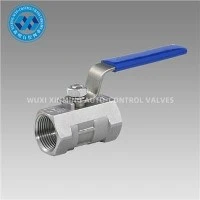
For example, we offer 1PC Thread Ball Valve, which are ideal for small-scale applications where space is limited. These valves are easy to install and maintain, and they offer reliable performance.
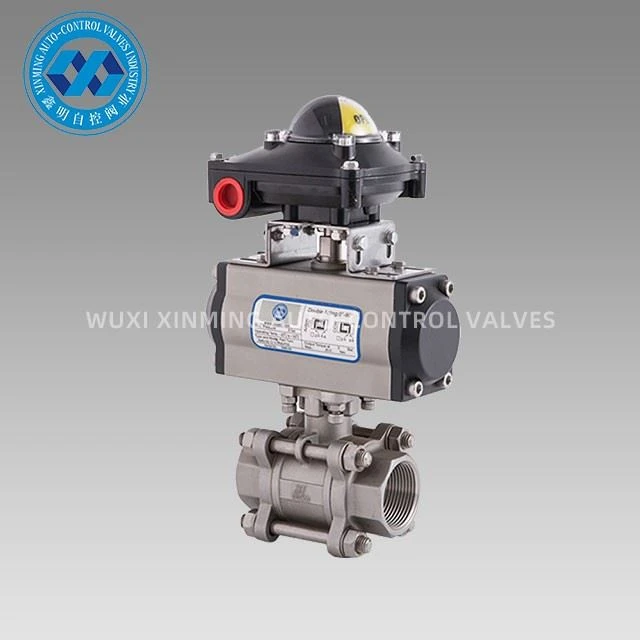
If you need a more heavy-duty valve, we also offer Pneumatic 3PC Stainless Steel Ball Valve. These valves are designed for high-pressure and high-temperature applications, and they offer excellent corrosion resistance.
And if you're looking for a valve that's suitable for use with PVC pipes, we have PVC Ball Valve Single-double Acting Pneumatic Actuator. These valves are lightweight, easy to install, and offer reliable performance in a variety of applications.
When it comes to ensuring a low leakage rate, proper installation and maintenance are key. Make sure that the valve is installed correctly, following the manufacturer's instructions. This includes ensuring that the valve is properly aligned, the gaskets are in good condition, and the bolts are tightened to the correct torque.
Regular maintenance is also important to keep the valve in good working condition. This includes inspecting the valve for signs of wear and tear, cleaning the valve seat, and replacing any damaged parts. By following these simple steps, you can help to ensure that your WCB Ball Valve operates at its best and has a low leakage rate.
In conclusion, the valve seat leakage rate of a WCB Ball Valve is an important factor to consider when choosing a valve for your application. By understanding the factors that affect the leakage rate and taking the necessary steps to ensure proper installation and maintenance, you can help to ensure that your valve operates reliably and efficiently.
If you're in the market for a WCB Ball Valve or have any questions about our products, please don't hesitate to contact us. We'd be happy to help you find the right valve for your needs and answer any questions you may have. Let's start a conversation and see how we can work together to meet your requirements.
References
- Valve Handbook, by William L. Nayfeh
- ASME B16.34 - Valves - Flanged, Threaded, and Welding End