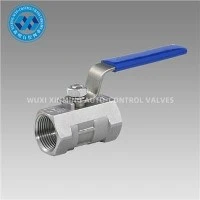
Pipeline vibration can be a real headache when it comes to pneumatic ball valves. As a pneumatic ball valve supplier, I've seen firsthand the kind of damage that pipeline vibration can cause. In this blog, I'm gonna share some tips on how to prevent that damage and keep your valves working smoothly.
Understanding the Impact of Pipeline Vibration on Pneumatic Ball Valves
First off, let's talk about what pipeline vibration does to pneumatic ball valves. Vibration can cause all sorts of problems, like loosening the valve's components, wearing down seals, and even cracking the valve body. Over time, these issues can lead to leaks, reduced valve performance, and ultimately, valve failure.
When the pipeline vibrates, it transfers that energy to the valve. The constant shaking can make the bolts and nuts that hold the valve together come loose. This not only weakens the structural integrity of the valve but also increases the risk of leaks. The seals inside the valve are also at risk. The vibration can cause them to rub against other parts, wearing them down and reducing their ability to prevent leaks.
Identifying the Sources of Pipeline Vibration
Before we can prevent the damage, we need to know where the vibration is coming from. There are several common sources of pipeline vibration. One of the most common is fluid flow. When the fluid moves through the pipeline at high speeds or with irregular flow patterns, it can create turbulence and cause the pipeline to vibrate.
Another source is equipment connected to the pipeline, like pumps and compressors. These machines can generate vibrations as they operate, which can then be transferred to the pipeline. Additionally, external factors like earthquakes or nearby machinery can also cause pipeline vibration.
Preventive Measures
Proper Installation
One of the most important steps in preventing valve damage from pipeline vibration is proper installation. Make sure the valve is installed in a way that minimizes its exposure to vibration. This might mean using flexible connectors between the valve and the pipeline. Flexible connectors can absorb some of the vibration energy, reducing the amount that reaches the valve.
When installing the valve, ensure that it is properly aligned with the pipeline. Misalignment can cause additional stress on the valve, making it more susceptible to damage from vibration. Also, use the right tools and techniques to tighten the bolts and nuts to the correct torque. This will help keep the valve securely in place and reduce the risk of components coming loose.
Support and Bracing
Providing adequate support and bracing for the pipeline can also help reduce vibration. Use pipe supports at regular intervals along the pipeline to keep it stable. The supports should be designed to absorb and dampen the vibration.
For the valve itself, consider using a valve support bracket. This can help keep the valve in place and reduce the movement caused by vibration. The bracket should be installed in a way that allows for some flexibility while still providing enough support.
Selecting the Right Valve
Not all pneumatic ball valves are created equal when it comes to handling vibration. When selecting a valve for your application, choose one that is designed to withstand vibration. Look for valves with robust construction and high-quality materials.
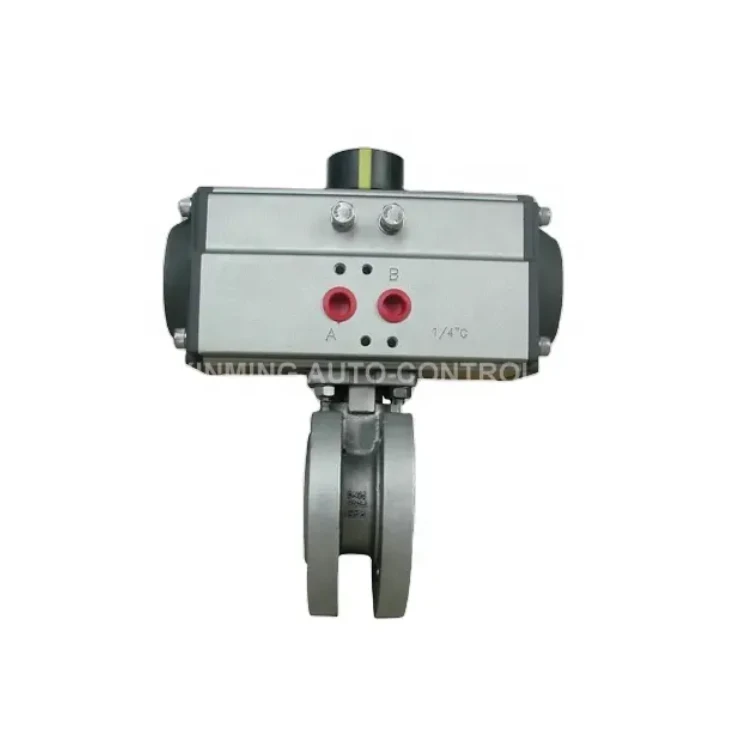
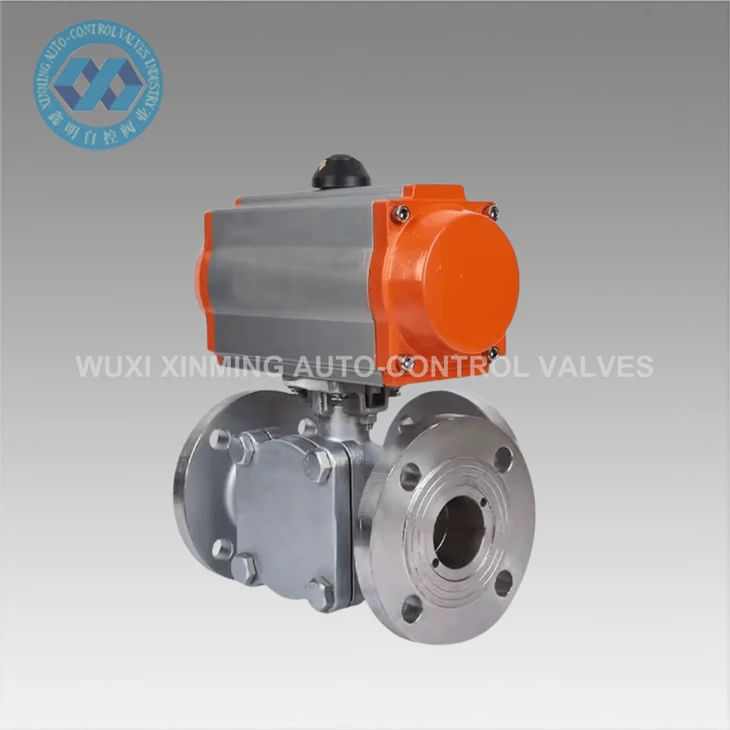
For example, our Explosion-Proof Pneumatic Ball Valve is built with strong materials and a solid design that can handle the stresses of pipeline vibration. It also has features that help reduce the impact of vibration on its internal components.
If you need a valve for more complex systems, our High Quality Three-way Ball Valve, Flange Ball Valve is a great option. It is designed to provide reliable performance even in the presence of pipeline vibration.
And for applications where space is limited, our Pneumatic Actuator Wafer Thin Ball Valve offers a compact design without sacrificing durability. It can withstand vibration and still operate smoothly.
Vibration Dampening Devices
There are also various vibration dampening devices available that can be installed on the pipeline or the valve. These devices work by absorbing or dissipating the vibration energy.
One example is a vibration isolator. This device is placed between the pipeline and the support structure to reduce the transmission of vibration. Another option is a dynamic vibration absorber, which is designed to counteract the vibration by generating an opposing force.
Regular Maintenance
Regular maintenance is crucial for preventing valve damage from pipeline vibration. Inspect the valve regularly for signs of wear and tear, such as loose components, worn seals, or cracks. Tighten any loose bolts and nuts, and replace any damaged parts as soon as possible.
Check the alignment of the valve and the pipeline during maintenance. Make sure there are no signs of misalignment that could be causing additional stress on the valve. Also, clean the valve regularly to remove any debris or contaminants that could affect its performance.
Monitoring the Pipeline
Monitoring the pipeline for vibration can help you detect problems early and take corrective action before they cause significant damage to the valve. There are various vibration monitoring devices available that can measure the amplitude and frequency of the vibration.
By regularly monitoring the vibration, you can identify any changes in the vibration pattern that could indicate a problem. For example, an increase in vibration amplitude could mean that there is a blockage in the pipeline or that a piece of equipment is malfunctioning.
Conclusion
Preventing damage to a pneumatic ball valve caused by pipeline vibration is all about taking a proactive approach. By understanding the sources of vibration, implementing preventive measures like proper installation, support, and valve selection, and performing regular maintenance and monitoring, you can keep your valves in good working condition and avoid costly repairs and replacements.
If you're in the market for high-quality pneumatic ball valves or need more information on how to prevent valve damage from pipeline vibration, don't hesitate to reach out. We're here to help you find the right solutions for your specific needs. Contact us to start a procurement discussion and see how we can assist you in keeping your systems running smoothly.
References
- "Pipeline Vibration Analysis and Mitigation" - Industry handbook on pipeline engineering
- "Pneumatic Ball Valve Design and Application" - Technical guide on valve design and performance