

Hey there! As a supplier of WCB Butterfly Valves, I've seen my fair share of issues with these valves over the years. In this blog, I'm gonna talk about the common failures of WCB Butterfly Valves and how you can solve them.
1. Leakage
One of the most common problems with WCB Butterfly Valves is leakage. This can happen for several reasons.
Sealing Ring Wear
The sealing ring is a crucial part of the valve. Over time, due to constant friction and contact with the medium flowing through the valve, the sealing ring can wear out. When this happens, it can't create a tight seal, leading to leakage.
Solution: Regularly inspect the sealing ring. If you notice signs of wear, replace it immediately. You can find high - quality replacement sealing rings from reliable suppliers. Check out High Quality Pneumatic Butterfly Valve for more info on well - made valve components.

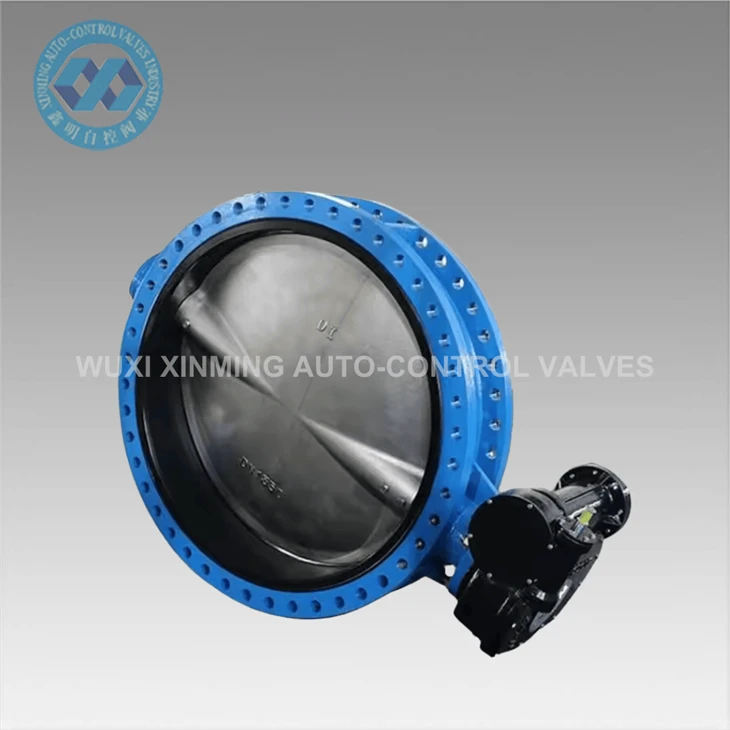
Improper Installation
If the valve isn't installed correctly, it can cause misalignment. This misalignment can prevent the valve from closing properly, resulting in leakage.
Solution: Make sure to follow the installation instructions carefully. If you're not confident in your installation skills, it's a good idea to hire a professional. Double - check the alignment of the valve during installation to ensure a proper fit.
2. Difficulty in Operation
Sometimes, the WCB Butterfly Valve can be hard to operate.
Stem Binding
The stem of the valve can bind up, making it difficult to open or close the valve. This can be due to dirt, debris, or corrosion inside the valve body.
Solution: Regular maintenance is key. Clean the valve body and the stem regularly to remove any dirt or debris. You can use a suitable cleaning agent. If corrosion is the problem, consider applying a corrosion - resistant coating to the stem. You can also refer to Pneumatic Butterfly Valve: Key Component For Optimal Pneumatic System Performance for tips on keeping your valve in top shape.
Actuator Problems
If your valve is equipped with an actuator, problems with the actuator can also cause difficulty in operation. For example, a malfunctioning actuator may not be able to generate enough force to open or close the valve.
Solution: Check the actuator for any signs of damage or malfunction. If there are issues, repair or replace the actuator as needed. The Actuator Pneumatic Damper Valve page can provide more details on actuator - related problems and solutions.
3. Valve Disc Damage
The valve disc can get damaged, which can affect the valve's performance.
Erosion
When the medium flowing through the valve has a high velocity or contains abrasive particles, it can erode the valve disc. This can lead to a reduction in the valve's sealing ability and overall performance.
Solution: Consider using a valve disc made of a more wear - resistant material. You can also install a flow - control device upstream of the valve to reduce the velocity of the medium.
Impact Damage
If the valve is subjected to physical impact, the valve disc can get damaged. This can happen during transportation or due to external forces in the operating environment.
Solution: During transportation, make sure to use proper packaging to protect the valve. In the operating environment, take measures to prevent physical impact on the valve.
4. Noise and Vibration
Excessive noise and vibration can be a sign of problems with the WCB Butterfly Valve.
Cavitation
Cavitation occurs when the pressure of the medium drops below its vapor pressure, causing the formation of vapor bubbles. When these bubbles collapse, they can cause noise and vibration, and also damage the valve.
Solution: To prevent cavitation, you can adjust the operating conditions of the valve. For example, you can increase the pressure upstream of the valve or reduce the flow rate.
Unstable Flow
If the flow of the medium through the valve is unstable, it can cause noise and vibration. This can be due to improper valve sizing or a malfunctioning control system.
Solution: Make sure the valve is correctly sized for the application. Review the control system to ensure it's functioning properly.
5. Corrosion
Corrosion is a major concern for WCB Butterfly Valves, especially in harsh environments.
Chemical Corrosion
If the valve is exposed to corrosive chemicals in the medium, it can cause corrosion. This can weaken the valve structure and affect its performance.
Solution: Choose a valve made of materials that are resistant to the specific chemicals in the medium. You can also apply a corrosion - resistant coating to the valve.
Environmental Corrosion
The operating environment, such as high humidity or a salty atmosphere, can also cause corrosion.
Solution: Protect the valve from the environment. You can use enclosures or coatings to prevent environmental corrosion.
In conclusion, while WCB Butterfly Valves are reliable in many applications, they can face several common failures. By being aware of these issues and taking the appropriate solutions, you can ensure the long - term performance of your valves.
If you're looking for high - quality WCB Butterfly Valves or need help with valve - related problems, don't hesitate to reach out. We're here to assist you with all your valve needs. Whether you need a new valve, replacement parts, or just some advice, we've got you covered. Contact us for more information and let's start a great business relationship.
References
- "Valve Handbook: Principles and Applications"
- Industry reports on valve performance and maintenance




