Hey there! As a supplier of WCB ball valves, I often get asked about the valve seat material in these valves. So, I thought I'd take some time to break it down for you.


First off, let's talk about what a valve seat is. The valve seat is a crucial part of a ball valve. It's the surface that the ball in the valve seals against when the valve is closed. This seal is what prevents the flow of fluid through the valve. So, the material of the valve seat is super important as it directly affects the valve's performance, durability, and the types of fluids it can handle.
Now, when it comes to WCB ball valves, there are several common materials used for the valve seats.
PTFE (Polytetrafluoroethylene)
PTFE is one of the most widely used valve seat materials in WCB ball valves. It's got some really great properties. For starters, it has an extremely low coefficient of friction. This means that when the ball moves against the seat, there's very little resistance. As a result, the valve can be operated smoothly, and it requires less torque to open and close.
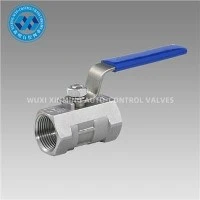
Another big advantage of PTFE is its excellent chemical resistance. It can withstand a wide range of corrosive chemicals, acids, and bases. So, if you're dealing with aggressive fluids in your industrial process, a WCB ball valve with a PTFE seat could be a great choice. You can check out our Stainless Steel Ball Valve which often comes with PTFE seats for reliable performance in corrosive environments.
However, PTFE does have its limitations. It has a relatively low temperature resistance compared to some other materials. Generally, it can handle temperatures up to around 260°C (500°F). Beyond this temperature, the PTFE can start to deform, which may affect the valve's sealing performance.
Nylon
Nylon is another popular valve seat material. It's known for its good mechanical strength and wear resistance. In applications where there's a lot of particulate matter in the fluid, a nylon seat can be a good option. The particles are less likely to cause significant wear on the nylon seat compared to some softer materials.
Nylon also has decent chemical resistance, although it's not as broad as PTFE. It can handle many common industrial fluids, but it may not be suitable for highly concentrated acids or some organic solvents.
One of the benefits of nylon is its relatively high temperature resistance compared to PTFE. It can typically withstand temperatures up to around 120 - 180°C (250 - 350°F), depending on the specific type of nylon used.
Metal
Metal seats are often used in high - temperature and high - pressure applications. For example, in steam systems or in processes where the fluid is at a very high temperature, a metal - seated WCB ball valve is a must.
Stainless steel is a common choice for metal seats. It offers good corrosion resistance and can handle high temperatures without significant deformation. Metal seats can also provide a more robust seal in high - pressure situations. However, they do have some drawbacks. The coefficient of friction between the metal ball and the metal seat is higher than that of PTFE, so more torque is required to operate the valve.
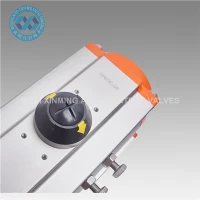
If you're looking for a valve for precision control in high - temperature applications, our Pneumatic Ball Valve For Precision Control And Industrial Flow Regulation with a metal seat might be just what you need.
Ceramic
Ceramic valve seats are becoming more popular in certain applications. They have excellent hardness and wear resistance, making them ideal for applications with abrasive fluids. For example, in mining or some chemical processes where there are solid particles in the fluid, a ceramic - seated valve can last much longer than a valve with a softer seat material.
Ceramic also has good chemical resistance and can handle high temperatures. However, ceramic is brittle, so it needs to be handled carefully during installation and operation. Any sudden impact or excessive stress can cause the ceramic seat to crack, which will compromise the valve's performance.
Choosing the Right Valve Seat Material
So, how do you choose the right valve seat material for your WCB ball valve? Well, it all depends on your specific application. Here are some factors to consider:
- Fluid properties: If the fluid is corrosive, you'll want a seat material with good chemical resistance like PTFE. If there are abrasive particles in the fluid, a nylon or ceramic seat might be more appropriate.
- Temperature and pressure: High - temperature and high - pressure applications usually require a metal seat. For moderate temperatures, PTFE or nylon could work well.
- Operating frequency: If the valve is going to be opened and closed frequently, a material with a low coefficient of friction like PTFE will make the operation easier and reduce wear on the valve components.
As a WCB ball valve supplier, we have a wide range of options when it comes to valve seat materials. We can help you select the right valve and seat material combination based on your specific needs. Whether you need a Pneumatic Ball Valve With Internal Thread for a small - scale project or a large - diameter valve for an industrial plant, we've got you covered.
If you're interested in learning more about our WCB ball valves or need help choosing the right valve seat material for your application, don't hesitate to get in touch. We're here to assist you with all your valve - related needs and ensure you get the best product for your money.
References
- Valve Handbook, CRC Press
- Industrial Valves: Selection, Specification, and Installation, McGraw - Hill
So, if you're in the market for a WCB ball valve, reach out to us and let's have a chat about your requirements. We're confident we can find the perfect solution for you.