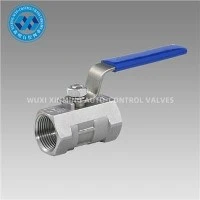
Ball valves are essential components in various industrial applications, controlling the flow of fluids through a pipeline. A crucial part of a ball valve is the valve seat, which plays a significant role in ensuring the valve's proper functioning and longevity. As a ball valve supplier, understanding the different valve seat materials is vital for providing high - quality products to our customers.
Importance of Valve Seat in a Ball Valve
The valve seat in a ball valve is the sealing surface that comes into contact with the ball. It is responsible for preventing leakage when the valve is in the closed position. A well - designed and appropriately selected valve seat material can improve the valve's performance, reduce maintenance costs, and enhance the overall efficiency of the fluid control system.
Common Valve Seat Materials
1. PTFE (Polytetrafluoroethylene)
PTFE is one of the most widely used valve seat materials. It has excellent chemical resistance, which makes it suitable for a wide range of corrosive fluids. PTFE has a low coefficient of friction, which means that the ball can rotate smoothly against the seat, reducing wear and tear. This results in a longer service life for the valve. Additionally, PTFE has good sealing properties, providing a tight seal even under low - pressure conditions.
However, PTFE has some limitations. It has a relatively low temperature resistance, typically up to around 260°C. At higher temperatures, PTFE may start to deform, which can affect the valve's sealing performance. Also, PTFE has a relatively high thermal expansion coefficient, which means that its dimensions can change significantly with temperature variations.
2. Nylon
Nylon is another popular valve seat material. It offers good mechanical strength and abrasion resistance. Nylon can withstand higher pressures compared to PTFE in some applications. It also has better temperature resistance, with a maximum operating temperature of around 120 - 180°C depending on the type of nylon.
Nylon is chemically resistant to many common chemicals, but it may not be suitable for highly corrosive substances. It has a relatively higher coefficient of friction compared to PTFE, which may require more torque to operate the valve.
3. Metal
Metal valve seats, such as stainless steel or brass, are used in applications where high - temperature and high - pressure resistance are required. Metal seats can withstand extreme temperatures and pressures without significant deformation. They are also suitable for applications where the fluid contains abrasive particles, as metal has better abrasion resistance compared to polymer materials.
However, metal - to - metal sealing may not provide as tight a seal as polymer materials in some cases. Metal seats may require more precise machining to ensure proper sealing, and they are more prone to corrosion in corrosive environments.
4. Rubber
Rubber valve seats, such as EPDM (Ethylene Propylene Diene Monomer) or NBR (Nitrile Butadiene Rubber), are commonly used in applications where a soft seal is required. Rubber seats can provide a very tight seal, even with irregularities on the ball surface. They are also resistant to many chemicals and can operate at relatively low temperatures.
The main drawback of rubber seats is their limited temperature and pressure resistance. They may degrade over time when exposed to high temperatures or certain chemicals, which can affect the valve's sealing performance.
Factors Affecting Valve Seat Material Selection
When selecting the valve seat material, several factors need to be considered:
1. Fluid Properties
The chemical composition, temperature, and pressure of the fluid are crucial factors. For corrosive fluids, materials with high chemical resistance, such as PTFE or certain types of metal, should be selected. For high - temperature fluids, materials with good thermal stability, like metal or high - temperature polymers, are more appropriate.
2. Operating Conditions
The operating pressure and temperature of the system play a significant role. High - pressure applications may require metal or high - strength polymer seats, while low - pressure applications may allow for the use of softer materials like rubber.
3. Flow Rate and Abrasion
If the fluid contains abrasive particles, materials with good abrasion resistance, such as metal or nylon, should be chosen. High - flow rate applications may also require materials that can withstand the forces exerted by the flowing fluid.
Our Ball Valve Products and Valve Seat Materials
As a ball valve supplier, we offer a wide range of ball valves with different valve seat materials to meet the diverse needs of our customers. For example, our Stainless Steel Flanged Floating Jacketed Ball Valve For Investment Casting is available with different seat options. For applications where chemical resistance is crucial, we can provide valves with PTFE seats. In high - temperature and high - pressure scenarios, metal seats may be the better choice.

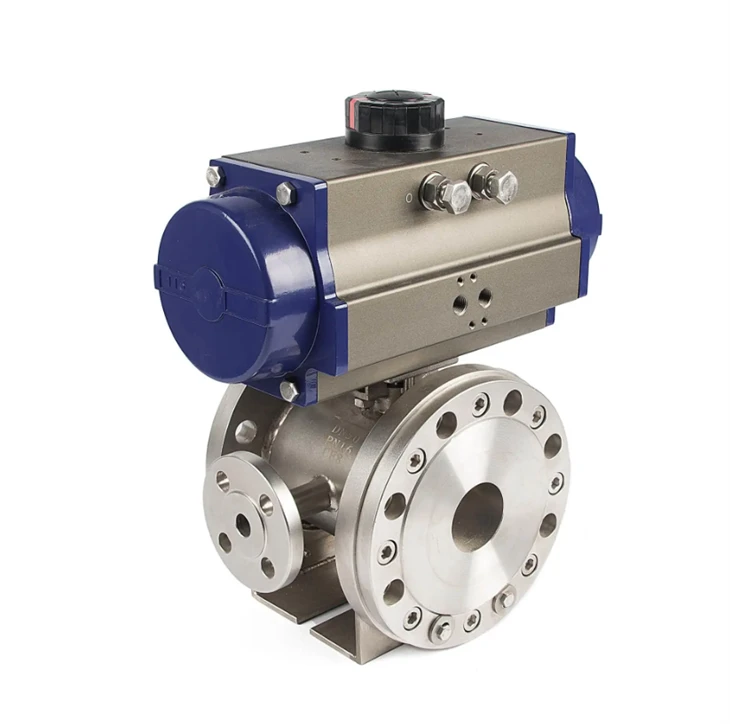
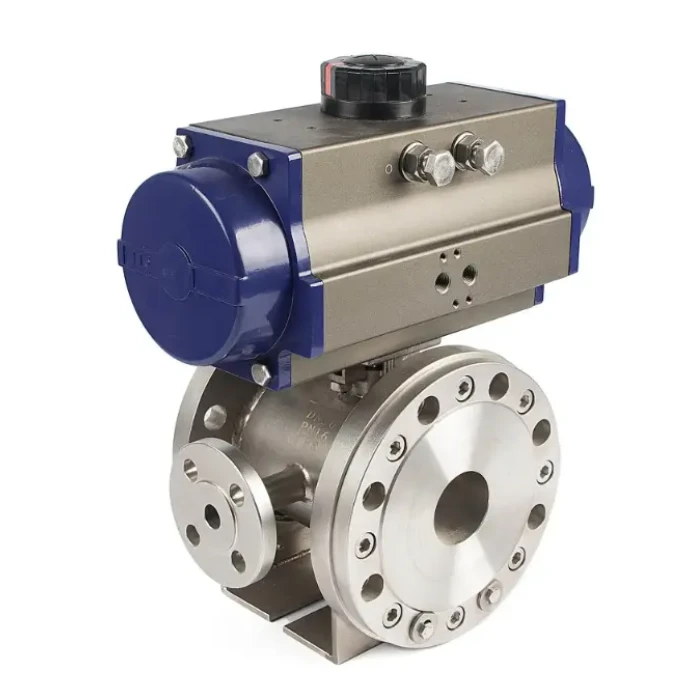
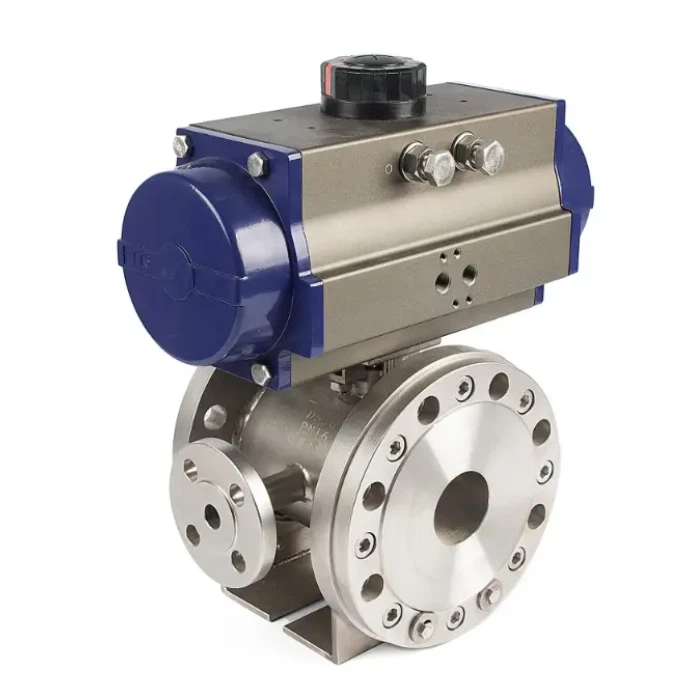
Our Pneumatic Actuator Tri - clamp Three Way Ball Valve is designed for precise fluid control. Depending on the application requirements, we can offer seats made of nylon or other suitable materials to ensure reliable performance. And our Stainless Steel Flanged Floating Jacketed Ball Valve For Investment Casting is engineered to provide excellent sealing and long - term durability, with seat materials selected based on the specific operating conditions.
Contact Us for Procurement and Consultation
Selecting the right valve seat material is crucial for the performance and longevity of your ball valve. Our team of experts is ready to assist you in choosing the most suitable ball valve and valve seat material for your specific application. Whether you need a valve for a chemical processing plant, a water treatment facility, or any other industrial application, we have the knowledge and experience to provide you with the best solution.
If you are interested in our ball valve products or have any questions about valve seat materials, please feel free to contact us. We look forward to discussing your requirements and helping you find the perfect ball valve for your project.
References
- "Valve Handbook" by Crane Co.
- "Engineering Materials and Their Applications" by J. A. Schey