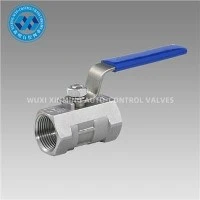
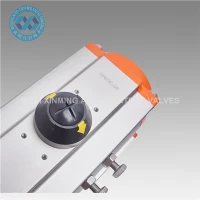
As a supplier of 24V solenoid valves, I often get asked about the shock and vibration resistance of these essential components. In this blog post, I'll delve into what shock and vibration resistance mean for a 24V solenoid valve, why it matters, and how our products perform in these aspects.
Understanding Shock and Vibration Resistance
Shock resistance refers to a solenoid valve's ability to withstand sudden, high - intensity impacts without suffering damage or malfunction. These shocks can occur due to various reasons such as machinery collisions, drops during installation or transportation, and sudden starts or stops in a system.
Vibration resistance, on the other hand, is about the valve's capacity to function properly under continuous, low - to - high - frequency vibrations. Vibrations can be generated by motors, pumps, or other equipment in the same system. They can cause mechanical wear, loosening of components, and electrical connection issues over time.
Why Shock and Vibration Resistance Matter
In industrial applications, 24V solenoid valves are often used in harsh environments. For example, in manufacturing plants, they are part of automated production lines where machinery is constantly in motion, generating vibrations. In transportation systems, such as trains or trucks, valves may experience shocks during movement.
If a solenoid valve lacks sufficient shock and vibration resistance, it can lead to a series of problems. The internal components may become misaligned, causing the valve to fail to open or close properly. Electrical connections can loosen, resulting in intermittent operation or complete loss of functionality. This not only disrupts the normal operation of the system but also increases maintenance costs and downtime.
How Our 24V Solenoid Valves Are Designed for Shock and Vibration Resistance
Robust Construction
Our 24V solenoid valves are built with high - quality materials. The valve body is made of durable metals or engineering plastics that can withstand impacts. For example, some of our valves use stainless steel for the body, which has excellent strength and corrosion resistance. Inside the valve, the moving parts are precisely machined and assembled to ensure a tight fit, reducing the risk of components coming loose under shock or vibration.

Reinforced Electrical Connections
Electrical connections are a critical part of a solenoid valve. Loose connections can lead to power loss or short - circuits. We use advanced soldering and crimping techniques to secure the electrical wires to the coil. Additionally, we add protective covers to the electrical terminals to prevent them from being damaged by external forces.
Damping Mechanisms
To further enhance vibration resistance, we incorporate damping mechanisms in some of our valve designs. These mechanisms absorb and dissipate the energy generated by vibrations, reducing the stress on the valve components. For example, rubber gaskets or shock - absorbing mounts can be used to isolate the valve from the surrounding vibrations.
Product Examples
We offer a wide range of 24V solenoid valves, each designed to meet different application requirements.
The 4V220 - 08 Two Position Five Way Electric Coil Pneumatic Air Control Solenoid Valve is a popular choice for pneumatic control systems. Its robust design allows it to withstand moderate shocks and vibrations commonly found in industrial pneumatic applications.
The 3V1 - 0608 Small Pneumatic Solenoid Valve Two Position Three - way 23 Electric Valve is a compact yet powerful valve. Despite its small size, it is engineered to resist vibrations and shocks, making it suitable for use in tight spaces where space is limited but reliability is crucial.
The Factory High Performance Pneumatic Actuator Solenoid Valve is designed for high - performance applications. It has enhanced shock and vibration resistance features, making it ideal for use in heavy - duty industrial settings where the environment is particularly harsh.
Testing Our Valves for Shock and Vibration Resistance
We conduct rigorous testing on our 24V solenoid valves to ensure they meet the highest standards of shock and vibration resistance.
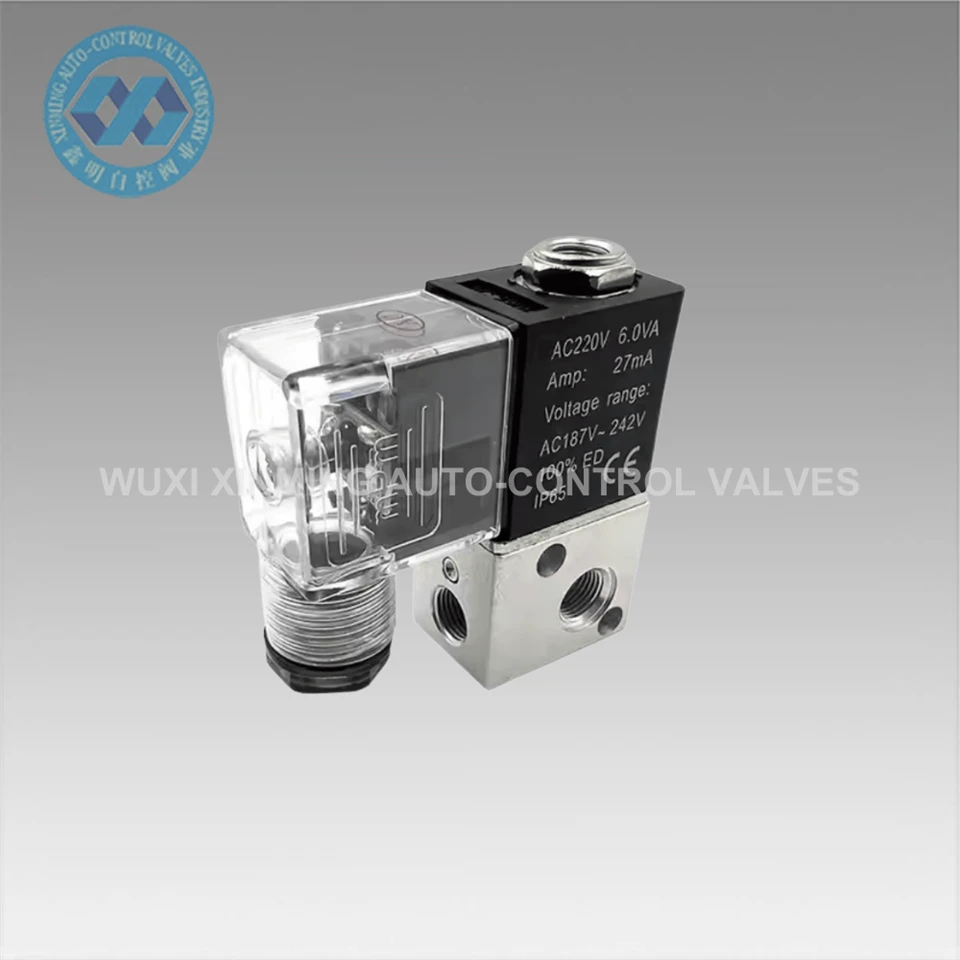
For shock testing, we use a shock testing machine to subject the valves to sudden impacts of different intensities. The valves are then inspected for any signs of damage, such as cracks in the body, misalignment of components, or electrical failures.
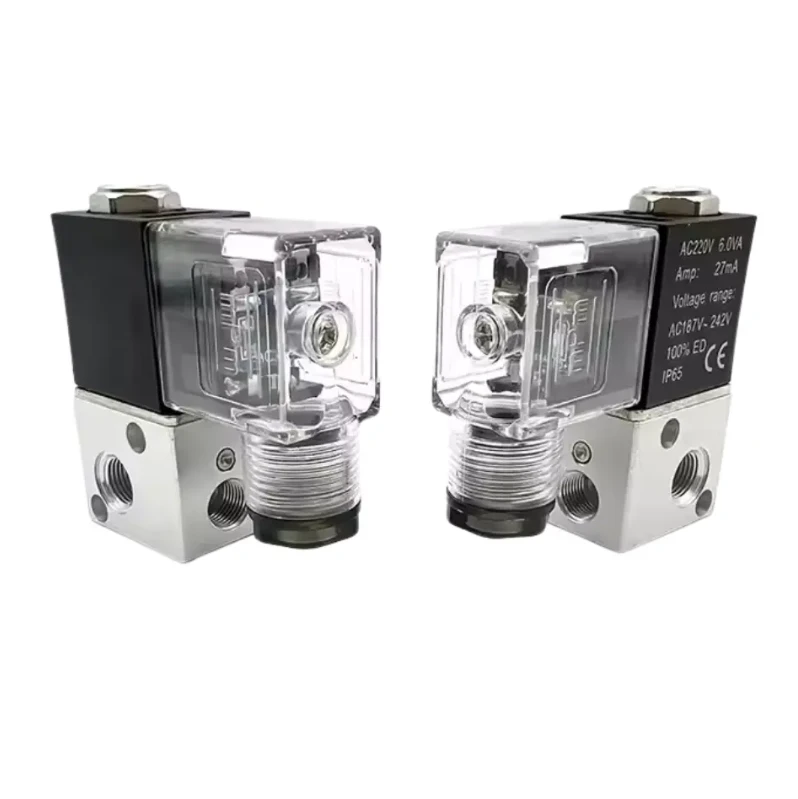
Vibration testing is carried out using a vibration table. The valves are placed on the table and subjected to continuous vibrations at different frequencies and amplitudes. We monitor the valve's performance during the test, including its ability to open and close properly, and check for any signs of wear or loosening of components.
Conclusion
The shock and vibration resistance of a 24V solenoid valve is a crucial factor in its performance and reliability, especially in industrial applications. Our company is committed to providing high - quality solenoid valves that can withstand the challenges of harsh environments. With our robust construction, reinforced electrical connections, and damping mechanisms, our valves offer excellent shock and vibration resistance.
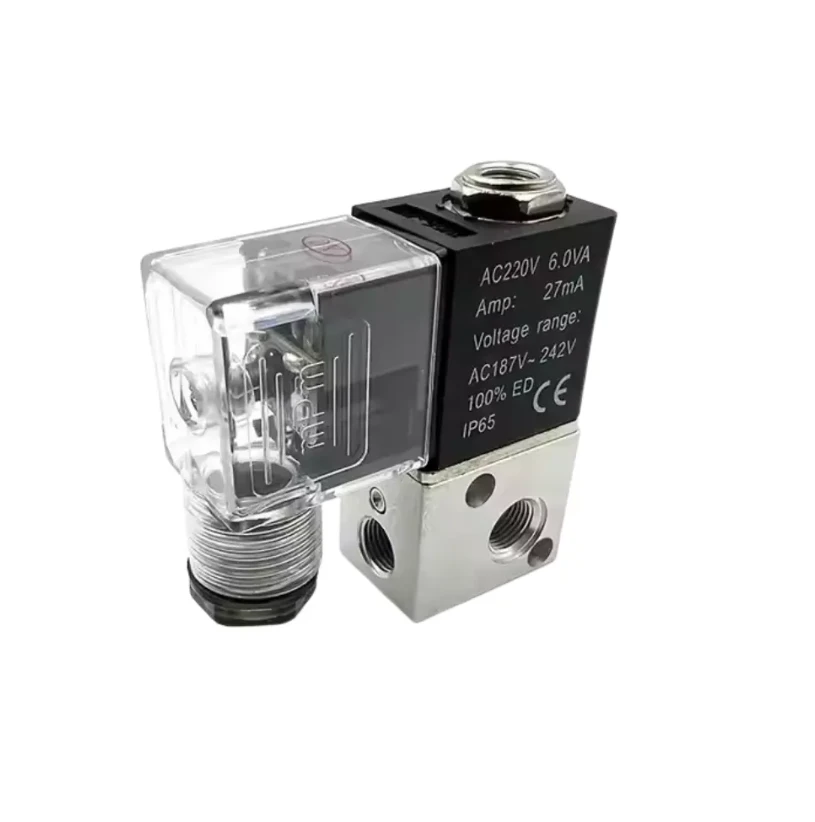
If you are in need of 24V solenoid valves for your application, we invite you to contact us for more information and to discuss your specific requirements. Our team of experts is ready to assist you in selecting the right valve for your needs.
References
- "Industrial Solenoid Valve Handbook", published by an industry - leading organization.
- Research papers on the impact of shock and vibration on electrical components.