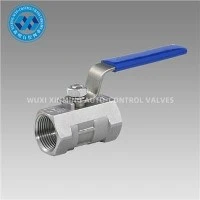
Hey there! As a flange ball valve supplier, I've seen firsthand the challenges that come with choosing the right materials for use in cryogenic environments. So, what's the deal with these super - cold setups? And more importantly, what materials are suitable for flange ball valves in such conditions?
Understanding Cryogenic Environments
Let's start by getting clear on what exactly a cryogenic environment is. In simple terms, cryogenic temperatures are extremely low, typically below -150°C (-238°F). These frigid conditions can be found in various industries, like the aerospace sector for rocket fuel storage and handling, or in the liquefied natural gas (LNG) industry where natural gas is cooled to a liquid state for easier storage and transport.
In a cryogenic setting, the property of materials change significantly. For example, many materials become brittle and lose their ductility, which can lead to cracks and failures in valves. That's why picking the right material for a flange ball valve is crucial to ensure its functionality and safety.
Key Considerations for Material Selection in Cryogenic Environments
There are several important factors to think about when choosing materials for a flange ball valve in a cryogenic environment:
- Ductility at Low Temperatures: The material must maintain its ductility even in extremely cold conditions. If it becomes too brittle, the valve may crack under pressure, which can result in leaks and serious safety hazards.
- Thermal Conductivity: Low thermal conductivity is essential. We don't want heat to be transferred from the outside environment to the cryogenic fluid, as this could cause the fluid to vaporize and increase the pressure inside the valve.
- Corrosion Resistance: Cryogenic fluids can sometimes be corrosive. The material used should be resistant to corrosion to ensure the long - term reliability of the valve.
Suitable Materials for Flange Ball Valves in Cryogenic Environments
Stainless Steel
Stainless steel is a top choice for flange ball valves in cryogenic applications. Specifically, austenitic stainless steels like 304 and 316 are commonly used.
- 304 Stainless Steel: This alloy has good corrosion resistance and excellent ductility at low temperatures. It also offers a decent balance between cost and performance. For smaller - scale cryogenic operations or applications where a high level of corrosion resistance isn't critical, 304 stainless steel can be a great option.
- 316 Stainless Steel: Offering better corrosion resistance than 304, 316 stainless steel is often chosen for more demanding cryogenic environments. It has a higher molybdenum content, which enhances its resistance to pitting and crevice corrosion. This makes it ideal for use with certain cryogenic fluids that may be more corrosive in nature.
Aluminum Alloys
Aluminum alloys are another option, especially when weight is a major concern. They have low thermal conductivity and can maintain good mechanical properties at cryogenic temperatures. However, they may not have the same level of corrosion resistance as stainless steel. So, in applications where corrosion could be an issue, additional protective coatings are sometimes applied. The light weight of aluminum alloys makes them popular in aerospace and some mobile cryogenic applications.
Nickel - based Alloys
Nickel - based alloys, such as Inconel and Monel, are also used in cryogenic flange ball valves. These alloys have excellent strength, corrosion resistance, and low thermal expansion at low temperatures. Inconel, for instance, can withstand severe temperature variations and has high resistance to oxidation. Monel is particularly resistant to corrosion by seawater and some other aggressive cryogenic fluids. However, these alloys are generally more expensive than stainless steel and aluminum, so they're often used in high - end or critical cryogenic applications.
Our Product Range
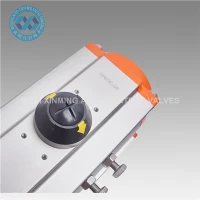
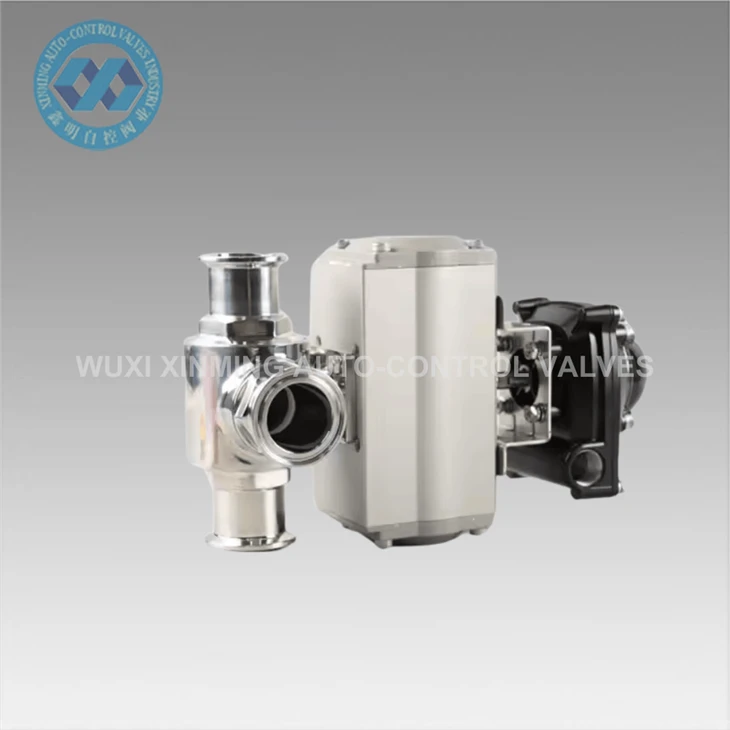
As a flange ball valve supplier, we offer a wide range of products suitable for cryogenic environments. We also have other types of ball valves that might interest you. Check out our 3PC Thread Ball Valve, which is known for its durability and easy maintenance. If you're looking for a valve with automated control, our Pneumatic Control Ball Valve is a great option. And for more complex flow - control needs, we have the L - t Stainless Steel Pneumatic Three - way Ball Valve.

Conclusion and Call to Action
Choosing the right material for a flange ball valve in a cryogenic environment is no easy task, but understanding the properties of different materials can make the decision - making process a lot easier. We're here to help you find the perfect valve for your specific cryogenic application. Whether you need a valve made of stainless steel, aluminum alloy, or a nickel - based alloy, we've got you covered.
If you're interested in our products and want to discuss your requirements further, don't hesitate to reach out. We're more than happy to work with you and provide the best solutions for your cryogenic valve needs. Let's start a conversation about how we can assist you in your next project.
References
- "Materials for Cryogenic Applications" by ASM International
- "Valve Handbook: Selection, Installation, and Troubleshooting" by Valve Manufacturers Association