

Hey there! As a supplier of 110V solenoid valves, I often get asked about what materials are used to make these nifty little devices. So, I thought I'd sit down and write this blog to share all the details with you.
First off, let's talk about the basics. A solenoid valve is a crucial component in many systems, especially those that need precise control of fluid or gas flow. And when it comes to 110V solenoid valves, they're widely used in various applications, from industrial settings to home appliances.
Body Materials
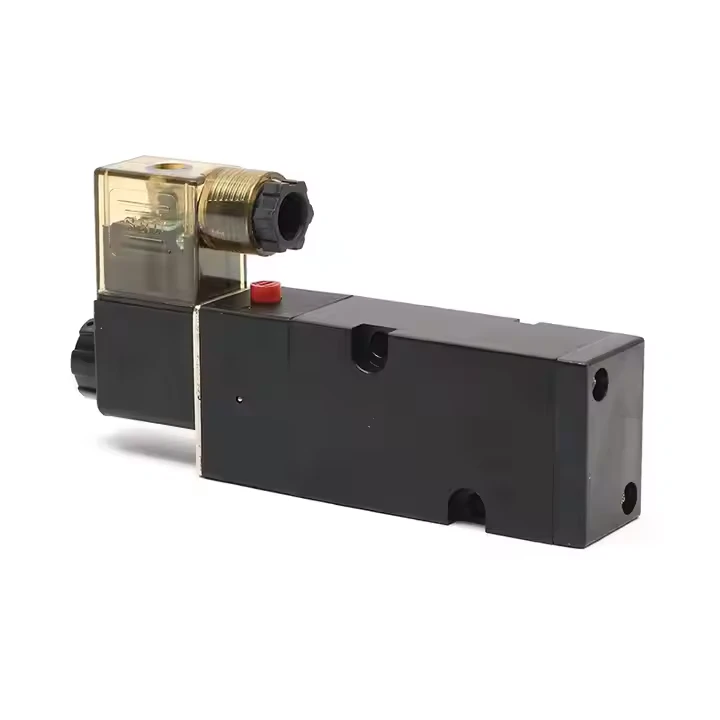
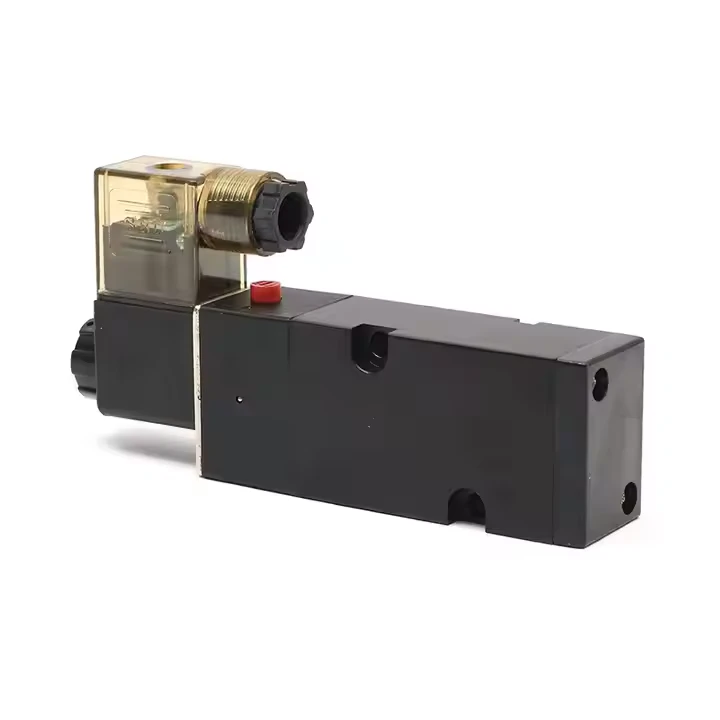
The body of a 110V solenoid valve is like its outer shell, protecting the internal components and providing the structure. One of the most common materials used for the body is brass. Brass is great because it's corrosion-resistant, which means it can stand up well to different environments. It also has good mechanical properties, so it can handle the pressure and stress that come with normal operation. Many of our Wholesale Precision Flow Control Pneumatic Solenoid Valve With Accessories feature brass bodies for these very reasons.
Another popular choice is stainless steel. Stainless steel is even more corrosion-resistant than brass, making it ideal for applications where the valve will be exposed to harsh chemicals or extreme conditions. It's also very strong and durable, so it can last a long time without needing much maintenance. Our Durable Pneumatic Solenoid Valve often uses stainless steel bodies to ensure reliability in tough environments.
Plastic is also used in some cases, especially for smaller, less demanding applications. Plastic is lightweight, inexpensive, and easy to mold into different shapes. However, it may not be as durable as brass or stainless steel, so it's usually used in situations where the valve won't be subjected to high pressures or extreme temperatures.
Coil Materials
The coil is the heart of the solenoid valve. It's what creates the magnetic field that controls the movement of the valve's internal parts. The most common material used for the coil winding is copper. Copper is an excellent conductor of electricity, which means it can efficiently convert electrical energy into magnetic energy. It also has a relatively low resistance, so it doesn't generate too much heat during operation.
The insulation around the coil is usually made of materials like enamel or fiberglass. These materials help to prevent short circuits and protect the coil from damage. The quality of the insulation is crucial because if it fails, the coil can overheat or malfunction.
Seal Materials
Seals are essential for preventing leaks in the solenoid valve. Different types of seals are used depending on the application and the type of fluid or gas being controlled. One of the most commonly used seal materials is rubber. Rubber seals are flexible and can create a tight seal, preventing any leakage. They're also resistant to many common fluids and gases.
For applications where higher temperatures or more aggressive chemicals are involved, materials like Viton or PTFE (Teflon) may be used. Viton is a synthetic rubber that can withstand high temperatures and is resistant to many chemicals. PTFE is a very slippery and chemically inert material, making it ideal for sealing applications where there's a risk of sticking or chemical attack.
Armature and Core Materials
The armature and core are the moving parts inside the solenoid valve. They're usually made of ferromagnetic materials, such as iron or steel. These materials can be easily magnetized and demagnetized, allowing them to move in response to the magnetic field created by the coil. The quality of the armature and core materials affects the valve's response time and overall performance.
Diaphragm Materials
In some solenoid valves, a diaphragm is used to control the flow of fluid or gas. Diaphragms are typically made of materials like rubber or elastomers. These materials are flexible and can move up and down to open and close the valve. They also need to be resistant to the fluid or gas being controlled to ensure long-term performance.
Other Materials
There are also other small components in the solenoid valve that may be made of different materials. For example, the springs used to return the valve to its normal position are usually made of steel. The screws and fasteners may be made of brass or stainless steel, depending on the application.
So, there you have it! That's a breakdown of the main materials used to make a 110V solenoid valve. Each material plays a crucial role in the valve's performance, durability, and reliability.
If you're in the market for high-quality 110V solenoid valves, we've got you covered. We offer a wide range of products, including Single Acting Actuator Solenoid Valve, all made with top-notch materials to ensure the best performance. Whether you're working on an industrial project or need a valve for a home appliance, we can provide the right solution for you.
If you have any questions or want to discuss your specific requirements, don't hesitate to reach out. We're here to help you find the perfect solenoid valve for your needs.
References
- "Solenoid Valve Handbook" by Peter A. Schweitzer
- Various industry publications on valve manufacturing and materials




