In the realm of lifting equipment, safety is of paramount importance. Limit switch boxes play a crucial role in ensuring the safe operation of such machinery. As a leading supplier of limit switch boxes, I am well - versed in the various safety functions these devices provide.
Over - travel Protection
One of the primary safety functions of a limit switch box in lifting equipment is over - travel protection. Lifting equipment, such as cranes, hoists, and elevators, has a defined range of motion. When the load or the moving part of the equipment exceeds this range, it can lead to serious accidents. For example, if a crane's boom extends beyond its maximum safe length, it may cause the crane to tip over, endangering the operators and the surrounding environment.
A limit switch box is designed to detect when the moving part of the lifting equipment reaches the end of its intended travel. Once this limit is reached, the switch sends a signal to the control system, which then stops the movement of the equipment. This simple yet effective mechanism prevents over - travel and helps maintain the structural integrity of the lifting equipment. For instance, in a hoist system, the limit switch box can be set to stop the upward or downward movement of the hoist when it reaches the pre - determined upper or lower limit. This protects the hoist from hitting the ceiling or the floor, which could cause damage to the hoist and the load it is carrying.
Load Capacity Monitoring
Another important safety function of a limit switch box is load capacity monitoring. Lifting equipment is designed to handle a specific maximum load. Exceeding this load capacity can lead to mechanical failures, such as cable breakage, gear damage, or structural collapse. Limit switch boxes can be integrated with load sensors to monitor the weight of the load being lifted.
When the load approaches or exceeds the maximum capacity of the lifting equipment, the limit switch box can trigger an alarm or stop the lifting operation. This gives the operators an early warning to take appropriate action, such as reducing the load or redistributing it. For example, in a large - scale industrial crane, the limit switch box can continuously monitor the load on the crane's hook. If the load exceeds the rated capacity, the switch box can send a signal to the control panel, which will immediately stop the crane from further lifting the load. This helps prevent accidents and ensures the long - term reliability of the lifting equipment.
Emergency Stop Function
In case of an emergency, a limit switch box can provide an emergency stop function. This is a critical safety feature that allows operators to quickly halt the operation of the lifting equipment in dangerous situations. For example, if there is a sudden malfunction, a collision, or a threat to the safety of the operators, the emergency stop function can be activated.
The limit switch box can be connected to an emergency stop button or a safety circuit. When the emergency stop button is pressed, the switch box sends a signal to the control system to immediately stop all movement of the lifting equipment. This rapid response can prevent further damage and protect the lives of the operators. In a construction site where a tower crane is in operation, if there is an unexpected obstacle in the path of the crane's movement, the operator can press the emergency stop button, and the limit switch box will ensure that the crane stops instantly.
Position Detection and Alignment
Accurate position detection and alignment are essential for the safe and efficient operation of lifting equipment. Limit switch boxes can be used to detect the position of the moving parts of the equipment, such as the boom of a crane or the platform of an elevator. This information is crucial for ensuring that the equipment is in the correct position before performing a lifting operation.
For example, in a container - handling crane, the limit switch box can detect the position of the spreader relative to the container. It can ensure that the spreader is accurately aligned with the container before it is lowered to pick up the container. This helps prevent mis - handling of the container, which could lead to damage or dropping of the container. In addition, position detection can also be used for sequential operations. For instance, in a multi - stage lifting system, the limit switch box can ensure that each stage of the lifting process is completed before the next stage begins. This helps maintain the stability and safety of the entire lifting operation.
Fault Detection and Diagnostic
Limit switch boxes can also play a role in fault detection and diagnostic. They can monitor the performance of the lifting equipment and detect any abnormal conditions. For example, if there is a problem with the electrical circuit, a mechanical failure, or a sensor malfunction, the limit switch box can detect these issues and send a signal to the control system.
This allows the maintenance personnel to quickly identify and address the problems. For instance, if a limit switch in the box fails to operate correctly, it can be detected by the diagnostic function of the switch box. The control system can then display an error message, indicating the location and nature of the problem. This helps reduce downtime and improve the overall safety and reliability of the lifting equipment.
Types of Limit Switch Boxes for Lifting Equipment
There are different types of limit switch boxes available for lifting equipment, each with its own specific features and applications. One such type is the Limit Switch Box Explosion Proof. This type of switch box is designed for use in hazardous environments where there is a risk of explosion, such as in oil refineries, chemical plants, or mines. The explosion - proof design ensures that the switch box can operate safely in these environments without causing an explosion.
Another popular type is the APL210 Limit Switch Box. This switch box is known for its high precision and reliability. It can be used in a wide range of lifting equipment, from small - scale workshop hoists to large - scale industrial cranes. The APL210 limit switch box is easy to install and configure, making it a popular choice among equipment manufacturers and operators.
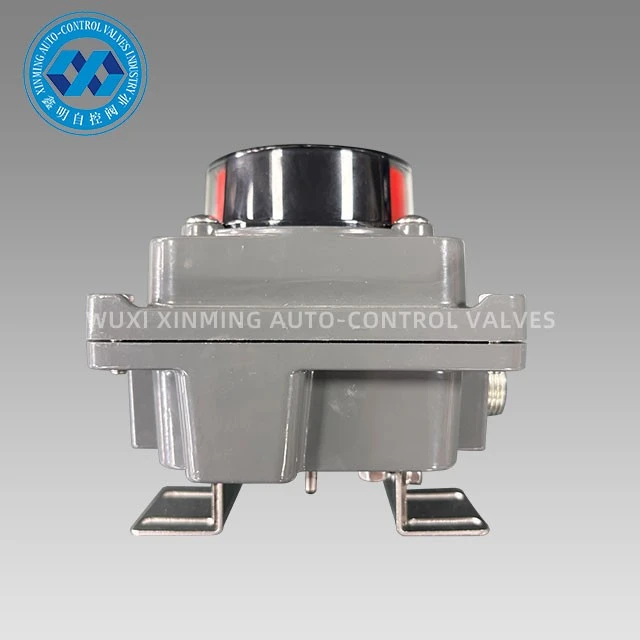

The ISO 5211 Mechanical Limit Switch For Pneumatic Valves is also commonly used in lifting equipment. This type of switch box is specifically designed for use with pneumatic valves, which are often used in the control systems of lifting equipment. The ISO 5211 standard ensures that the switch box is compatible with a wide range of pneumatic valves, providing a reliable and standardized solution for position detection and control.
Conclusion
In conclusion, limit switch boxes play a vital role in ensuring the safety of lifting equipment. Their functions, such as over - travel protection, load capacity monitoring, emergency stop, position detection, and fault diagnosis, help prevent accidents, reduce downtime, and improve the overall reliability of the lifting equipment. As a supplier of limit switch boxes, we are committed to providing high - quality products that meet the strict safety standards of the lifting equipment industry.
If you are in the market for limit switch boxes for your lifting equipment, we invite you to contact us for a detailed discussion. Our team of experts can help you choose the right limit switch box for your specific application and provide you with all the necessary technical support. We look forward to working with you to enhance the safety and efficiency of your lifting operations.
References
- "Safety Standards for Lifting Equipment", International Organization for Standardization (ISO).
- "Lifting Equipment Handbook", by John Pritchard.
- "Electrical Safety in Industrial Lifting Equipment", Electrical Safety Council.