When dealing with slurry applications, the selection and use of pneumatic ball valves require special considerations to ensure optimal performance, longevity, and safety. As a pneumatic ball valve supplier, I understand the intricacies involved in using these valves for slurry handling. In this blog post, I will discuss the key factors that need to be taken into account when using a pneumatic ball valve for slurry.
Material Selection
The first and most crucial consideration is the material of the pneumatic ball valve. Slurry typically contains abrasive particles, which can cause significant wear and tear on the valve components. Therefore, it is essential to choose materials that are resistant to abrasion and corrosion.
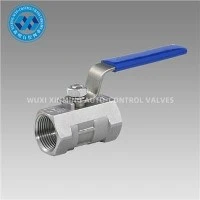
Stainless steel is a popular choice for slurry applications due to its high strength and corrosion resistance. Our 304Stainless Steel Ball Valve is made from high-quality 304 stainless steel, which provides excellent resistance to abrasion and corrosion. The ball and seat of the valve are precision machined to ensure a tight seal, even in the presence of abrasive particles.
Another option is to use a valve with a ceramic ball and seat. Ceramic materials are extremely hard and wear-resistant, making them ideal for handling highly abrasive slurries. However, ceramic valves are more expensive than stainless steel valves and may require special handling and installation procedures.
Valve Design
The design of the pneumatic ball valve also plays a crucial role in its performance in slurry applications. A full-port ball valve is preferred over a standard-port ball valve because it provides a larger flow area, reducing the velocity of the slurry and minimizing the risk of erosion.
In addition, the valve should have a smooth internal surface to prevent the buildup of slurry particles. A valve with a rough internal surface can cause the slurry to stick, leading to blockages and reduced flow rates.
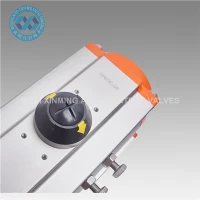
Our Double Acting Plastic Pneumatic Actuator Ball Valve features a full-port design and a smooth internal surface, making it ideal for slurry applications. The plastic actuator provides reliable and precise control, even in harsh environments.
Actuator Selection
The actuator is responsible for opening and closing the pneumatic ball valve. When selecting an actuator for a slurry application, it is important to choose one that is powerful enough to overcome the pressure and friction of the slurry.
A double-acting actuator is preferred over a single-acting actuator because it provides more precise control and can be used in both open and closed positions. The actuator should also be protected from the slurry to prevent damage to its internal components.
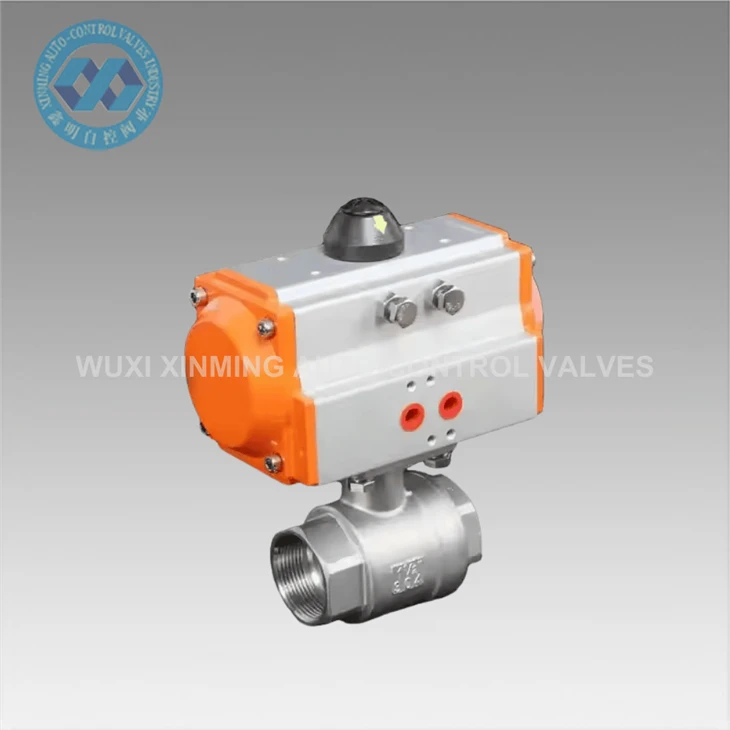
Our Stainless Steel Pneumatic Flange Ball Valve is equipped with a high-quality double-acting pneumatic actuator that provides reliable and precise control. The actuator is protected by a stainless steel housing, which provides excellent resistance to corrosion and abrasion.
Maintenance and Cleaning
Regular maintenance and cleaning are essential to ensure the long-term performance of the pneumatic ball valve in slurry applications. The valve should be inspected regularly for signs of wear and damage, and any worn or damaged components should be replaced immediately.
In addition, the valve should be cleaned regularly to remove any buildup of slurry particles. This can be done using a suitable cleaning solution and a soft brush. It is important to follow the manufacturer's instructions when cleaning the valve to avoid damaging its internal components.
Safety Considerations
When using a pneumatic ball valve for slurry applications, it is important to take appropriate safety precautions to prevent accidents and injuries. The valve should be installed in a well-ventilated area to prevent the buildup of toxic gases.

In addition, the valve should be operated by trained personnel who are familiar with its operation and safety procedures. The actuator should be equipped with a safety lockout device to prevent accidental operation.
Conclusion
Using a pneumatic ball valve for slurry applications requires careful consideration of several factors, including material selection, valve design, actuator selection, maintenance, and safety. As a pneumatic ball valve supplier, we offer a wide range of valves that are specifically designed for slurry applications. Our valves are made from high-quality materials and are engineered to provide reliable and precise control, even in the most challenging environments.
If you are interested in learning more about our pneumatic ball valves for slurry applications, please contact us to schedule a consultation. Our team of experts will be happy to help you select the right valve for your specific needs and provide you with all the information you need to make an informed decision.
References
- "Pneumatic Ball Valves for Slurry Applications," Valve World Magazine, Vol. XX, No. XX, XX.
- "Selection and Application of Ball Valves in Slurry Service," ASME Journal of Fluids Engineering, Vol. XX, No. XX, XX.
- "Maintenance and Troubleshooting of Pneumatic Ball Valves," Valve Manufacturer's Handbook, XX Edition.