

Hey there! As a supplier of WCB Butterfly Valves, I often get asked about the maximum flow rate these valves can handle. It's a crucial question, especially for industries where efficient fluid control is key. So, let's dive right in and explore this topic in detail.
First off, what exactly is a WCB Butterfly Valve? Well, WCB stands for a type of carbon steel that's commonly used in valve manufacturing. Butterfly valves are named for their disc - shaped closure element that rotates within the valve body to control the flow of fluids. They're popular because they're relatively simple in design, cost - effective, and can be used in a wide range of applications, from water treatment plants to chemical processing facilities.
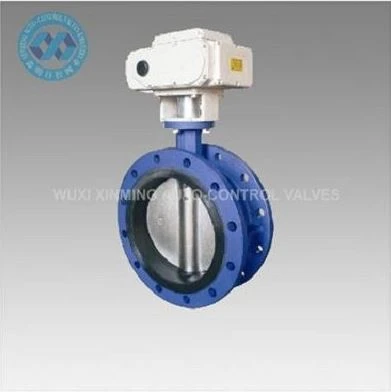
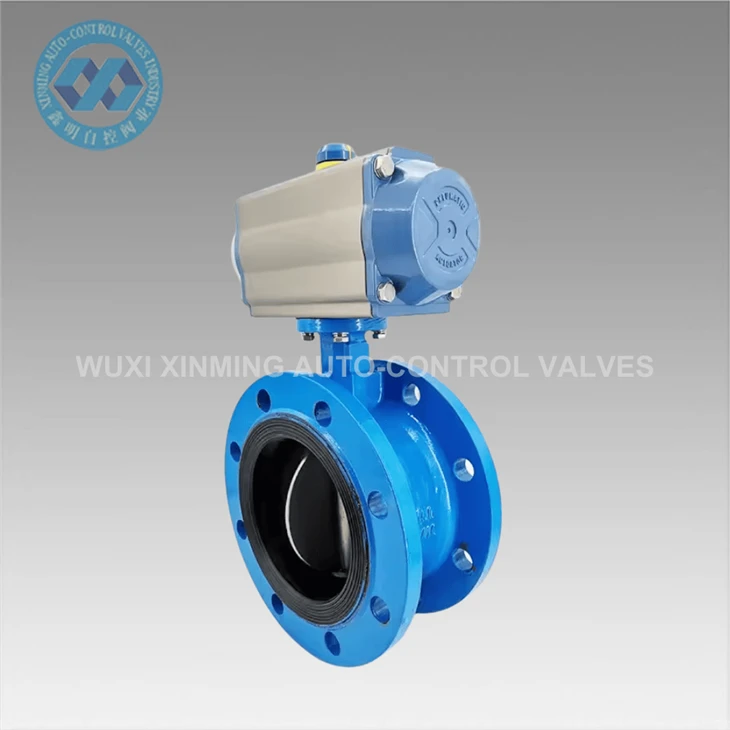
Now, when it comes to the maximum flow rate, there are several factors that come into play. The size of the valve is one of the most obvious ones. Just like a bigger pipe can carry more water, a larger WCB Butterfly Valve can handle a higher flow rate. For instance, a 2 - inch valve will have a much lower maximum flow rate compared to a 12 - inch valve. The valve's size is usually specified by its nominal diameter, which gives you a general idea of its capacity.
The design of the valve also matters. There are different types of butterfly valve designs, such as concentric, double - eccentric, and triple - eccentric. Each design has its own characteristics that affect the flow rate. A Pneumatic Double Eccentric Flanged Butterfly Valve is a great example. The double - eccentric design reduces friction between the disc and the seat, allowing for a smoother flow and potentially a higher maximum flow rate compared to a concentric design.
The type of fluid being handled is another important factor. Different fluids have different viscosities, densities, and flow characteristics. For example, water is a relatively low - viscosity fluid, so a WCB Butterfly Valve can handle a higher flow rate of water compared to a thick, viscous oil. The temperature and pressure of the fluid also play a role. Higher pressures can force more fluid through the valve, but the valve needs to be designed to withstand those pressures.
Let's talk numbers. To give you a rough idea, a small 2 - inch WCB Butterfly Valve might have a maximum flow rate of around 50 - 100 gallons per minute (GPM) for water under normal conditions. As the valve size increases, the flow rate can go up significantly. A 6 - inch valve could handle anywhere from 500 - 1500 GPM, and a 12 - inch valve might be able to handle 3000 - 6000 GPM or more. However, these are just ballpark figures, and the actual maximum flow rate can vary depending on all the factors we've discussed.
In addition to the valve itself, the piping system it's installed in also affects the flow rate. If the pipes are too small or have a lot of bends and restrictions, it can limit the flow through the valve. So, it's important to consider the entire system when determining the maximum flow rate.
Another type of valve in our product range is the Sanitary PVC Butterfly Valve. These valves are often used in industries where hygiene is a top priority, like the food and beverage or pharmaceutical industries. PVC is a lightweight and corrosion - resistant material, which makes these valves suitable for handling clean fluids. However, due to the properties of PVC, their maximum flow rate might be different compared to WCB Butterfly Valves.
We also offer the Relief Actuator Ball Button Pneumatic Butterfly Valve With Lining PTFE Seal. This valve is designed with special features like a relief actuator and a PTFE lining. The PTFE lining provides excellent chemical resistance, which is useful when handling corrosive fluids. The relief actuator can help in controlling the flow under abnormal pressure conditions, but it also has an impact on the maximum flow rate.
So, how do you figure out the exact maximum flow rate for your specific application? Well, the best way is to work with an experienced engineer or valve specialist. They can take into account all the factors we've talked about, including the valve size, design, fluid properties, and piping system, and calculate the most accurate maximum flow rate for your situation.
At our company, we have a team of experts who can assist you with this. We understand that every customer's needs are different, and we're committed to providing the right valve solutions. Whether you're looking for a high - flow valve for a large - scale industrial application or a small, precise valve for a specialized process, we've got you covered.
If you're in the market for WCB Butterfly Valves or any of our other valve products, don't hesitate to reach out. We can provide you with detailed product information, technical support, and even help you with the installation and maintenance of the valves. We believe in building long - term relationships with our customers, and we're confident that our valves will meet your expectations.
In conclusion, the maximum flow rate of a WCB Butterfly Valve depends on a variety of factors, including valve size, design, fluid properties, and the piping system. By working with us, you can get the most accurate information and the best valve solutions for your specific needs. So, if you're interested in learning more or making a purchase, just get in touch with us. We're here to help you achieve optimal fluid control in your operations.
References
- Valve Handbook, various editions
- Industry standards and guidelines for valve manufacturing and performance




