When it comes to fluid control systems, butterfly valves are a popular choice due to their simplicity, cost - effectiveness, and efficient operation. Two common types of butterfly valves are the lug - type and wafer - type. As a lug butterfly valve supplier, I've had extensive experience with both types and understand their differences, advantages, and applications. In this blog, I'll delve into the key disparities between lug - type and wafer - type butterfly valves to help you make an informed decision for your specific needs.
Structural Design
The most obvious difference between lug - type and wafer - type butterfly valves lies in their structural design. A wafer - type butterfly valve is designed to be installed between two flanges. It has a relatively simple structure, with a thin body that fits snugly between the flanges of the pipeline. The valve is held in place by the bolts that pass through the flanges on either side, which compress the valve body between them. This design makes wafer - type valves compact and lightweight, ideal for applications where space is limited.
On the other hand, a lug - type butterfly valve features threaded lugs around its circumference. These lugs have holes through which bolts can be inserted. Unlike wafer - type valves, lug - type valves can be installed in a pipeline without the need for the adjacent flanges to be bolted together. Each end of the valve can be independently bolted to a flange, allowing for easy isolation of sections of the pipeline. This is particularly useful in systems where maintenance or replacement of components is required, as one side of the pipeline can be shut off while the other remains operational.
Installation and Maintenance
Installation of wafer - type and lug - type butterfly valves also differs significantly. Wafer - type valves require precise alignment of the flanges on both sides of the valve. Since they rely on the compression between the flanges for sealing, any misalignment can lead to leakage. Installation typically involves inserting the valve between the flanges and tightening the bolts evenly to ensure a proper seal. However, this process can be challenging, especially in large - diameter pipelines where achieving perfect alignment is difficult.
Lug - type valves, in contrast, offer more flexibility during installation. The threaded lugs allow for independent connection to each flange, reducing the need for precise alignment between the two flanges. This makes installation quicker and easier, especially in retrofit projects or systems where the pipeline flanges are not in perfect alignment. Moreover, when it comes to maintenance, lug - type valves shine. If a section of the pipeline needs to be serviced, the bolts on one side of the lug - type valve can be removed, isolating that section without affecting the rest of the system. This is not possible with wafer - type valves, which require the entire pipeline to be shut down for maintenance.
Sealing Performance
Both lug - type and wafer - type butterfly valves are designed to provide effective sealing. However, their sealing mechanisms and performance can vary depending on the application. Wafer - type valves rely on the compression between the flanges to create a seal. The valve's elastomeric seat is compressed against the disc, preventing fluid leakage. In applications with low to medium pressure and temperature, wafer - type valves can provide reliable sealing. However, in high - pressure or high - temperature environments, the compression seal may be compromised, leading to leakage.
Lug - type valves, on the other hand, often have a more robust sealing mechanism. The independent connection to each flange allows for better control over the compression of the valve seat. Additionally, many lug - type valves are designed with double - offset or triple - offset discs, which provide a tighter seal by reducing friction between the disc and the seat during operation. This makes lug - type valves more suitable for high - pressure and high - temperature applications, as well as applications where zero - leakage is required.
Applications
The choice between a lug - type and wafer - type butterfly valve often depends on the specific application. Wafer - type valves are commonly used in applications where cost and space are major considerations. They are widely used in water treatment plants, HVAC systems, and general industrial pipelines for low - to medium - pressure fluid control. Their compact design and relatively low cost make them an attractive option for large - scale projects where multiple valves are required.
Lug - type valves, on the other hand, are preferred in applications where isolation and maintenance are critical. They are commonly used in chemical processing plants, oil and gas pipelines, and power generation facilities. In these industries, the ability to isolate sections of the pipeline for maintenance or emergency shutdown is essential. Lug - type valves are also used in applications where the pipeline may be subject to vibration or movement, as their independent mounting provides better stability.
Product Recommendations
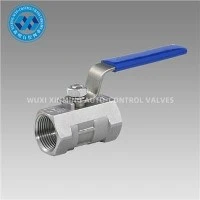
If you're in the market for a butterfly valve, I'd like to recommend some of our related products. Our Sanitary Stainless Steel 304 Ball Valve is a great choice for applications where hygiene and corrosion resistance are important. It is made from high - quality stainless steel 304, ensuring durability and long - term performance.
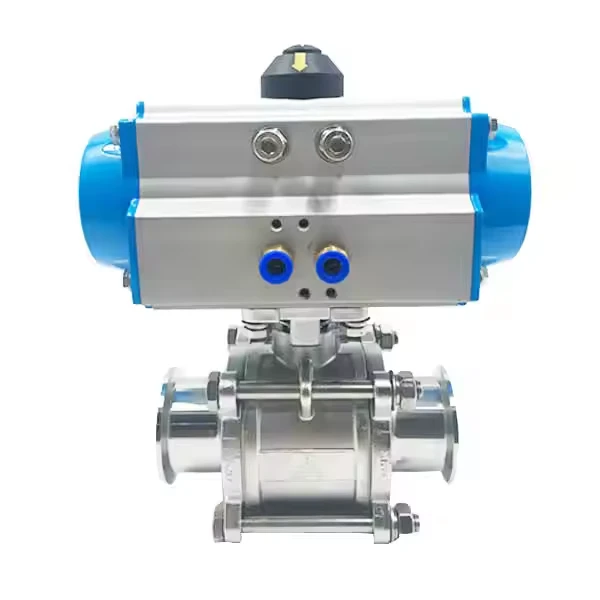
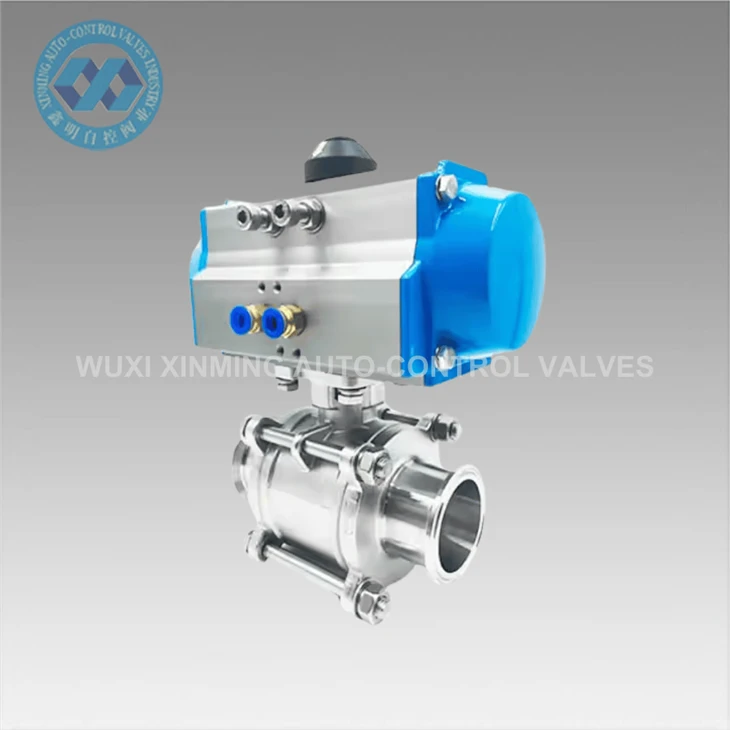
For applications that require automated control, our Pneumatic Sanitary Butterfly Valve is an excellent option. It features a pneumatic actuator that allows for precise and reliable control of the valve, making it suitable for use in food and beverage processing, pharmaceutical manufacturing, and other sanitary applications.
If you need a valve for high - pressure and high - temperature applications, our Sturdy And Reliable Pneumatic Double Eccentric Flange Butterfly Valve is the ideal choice. Its double - eccentric design provides a tight seal and reduces wear on the valve components, ensuring long - term performance in demanding environments.
Conclusion
In conclusion, the choice between a lug - type and wafer - type butterfly valve depends on several factors, including installation requirements, sealing performance, and application. Wafer - type valves are suitable for cost - sensitive and space - constrained applications, while lug - type valves are better suited for applications where isolation and maintenance are critical. As a lug butterfly valve supplier, we have the expertise and experience to help you select the right valve for your specific needs. Whether you're looking for a valve for a small - scale project or a large - scale industrial application, we can provide you with high - quality products and excellent customer service.
If you're interested in learning more about our products or need assistance in selecting the right valve for your application, please don't hesitate to contact us for procurement and negotiation. We look forward to working with you to meet your fluid control needs.
References
- Crane Valve Group. "Butterfly Valve Handbook."
- Emerson Automation Solutions. "Valve Selection Guide."
- Valmet. "Butterfly Valve Technology Overview."